The important new approach to leadership that John Gordon and Joyce Berry explain in this book is built upon the experiences of environmental and natural resource organizations as they contend with complex, long-term problems.
Perhaps it is not possible to experience all the mysterious sounds, the unfamiliar smells, and the spectacular sights of a tropical rainforest without ever visiting one.
Congress empowered the Environmental Protection Agency on the theory that only a national agency that is insulated from accountability to voters could produce the scientifically grounded pollution rules needed to save a careless public from its own filth.
Nuclear Reactions explores the nuclear consensus that emerged in postWorld War II America, characterized by widespread support for a diplomatic and military strategy based on nuclear weapons and a vision of economic growth that welcomed nuclear energy both for the generation of electricity and for other peaceful and industrial uses.
Post-World War II Oregon was a place of optimism and growth, a spectacular natural region from ocean to high desert that seemingly provided opportunity in abundance.
Drawing boundaries around wilderness areas often serves a double purpose: protection of the land within the boundary and release of the land outside the boundary to resource extraction and other development.
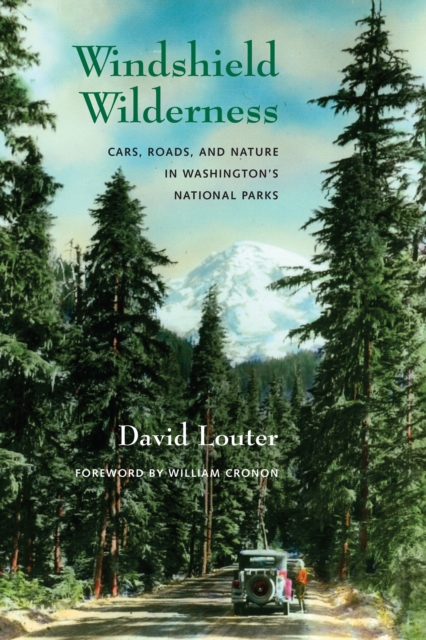
In his engaging book Windshield Wilderness, David Louter explores the relationship between automobiles and national parks, and how together they have shaped our ideas of wilderness.
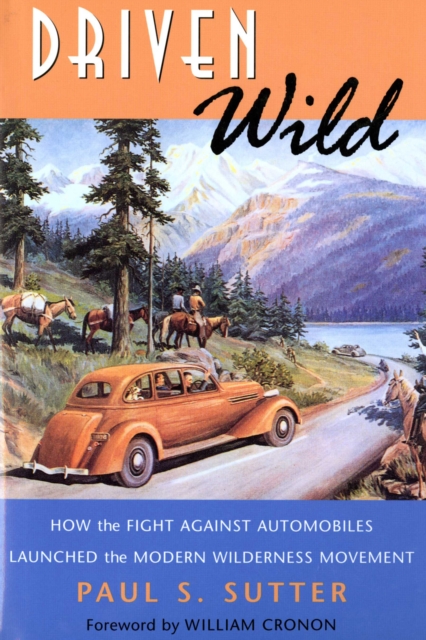
In its infancy, the movement to protect wilderness areas in the United States was motivated less by perceived threats from industrial and agricultural activities than by concern over the impacts of automobile owners seeking recreational opportunities in wild areas.
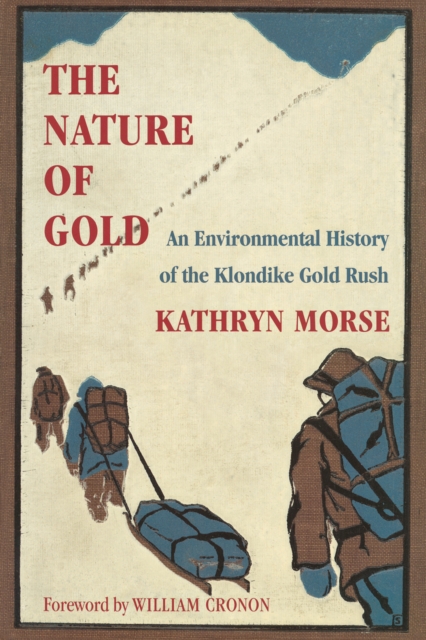
In 1896, a small group of prospectors discovered a stunningly rich pocket of gold at the confluence of the Klondike and Yukon rivers, and in the following two years thousands of individuals traveled to the area, hoping to find wealth in a rugged and challenging setting.
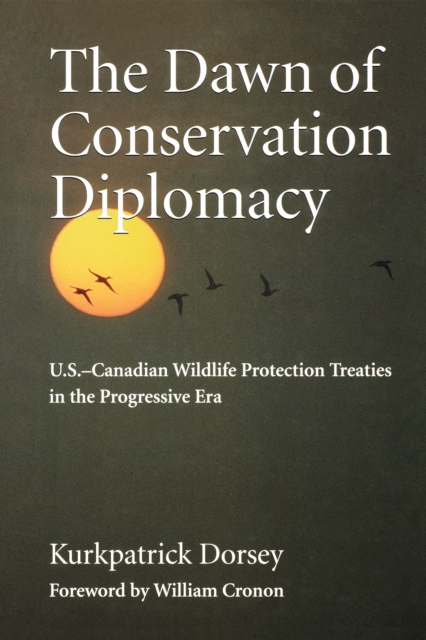
In the first decades of the twentieth century, fish in the Great Lakes and Puget Sound, seals in the North Pacific, and birds across North America faced a common threat: over harvesting that threatened extinction for many species.
Proving Grounds brings together a wide range of scholars across disciplines and geographical borders to deepen our understanding of the environmental impact that the U.
Since the 1950s, the housing developments in the West that historian Lincoln Bramwell calls wilderburbs have offered residents both the pleasures of living in nature and the creature comforts of the suburbs.
Wilderness in National Parks casts light on the complicated relationship between the National Park Service and its policy goals of wilderness preservation and recreation.
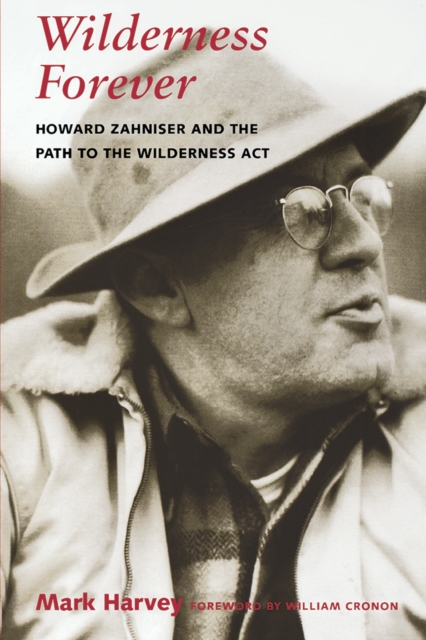
Howard Zahniser (19061964), executive secretary of The Wilderness Society and editor of The Living Wilderness from 1945 to 1964, is arguably the person most responsible for drafting and promoting the Wilderness Act in 1964.
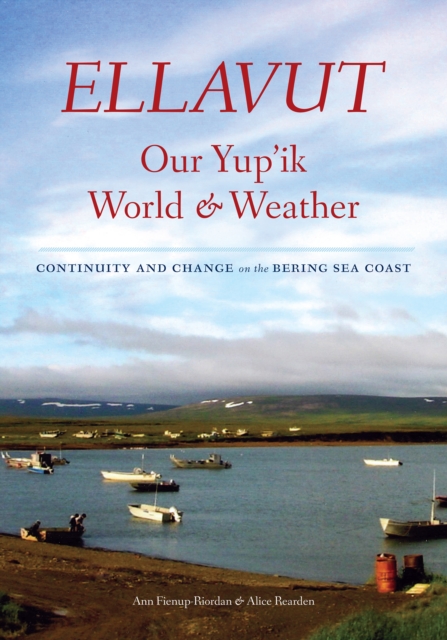
Ellavut / Our Yup'ik World and Weather is a result of nearly ten years of gatherings among Yup'ik elders to document the qanruyutet (words of wisdom) that guide their interactions with the environment.
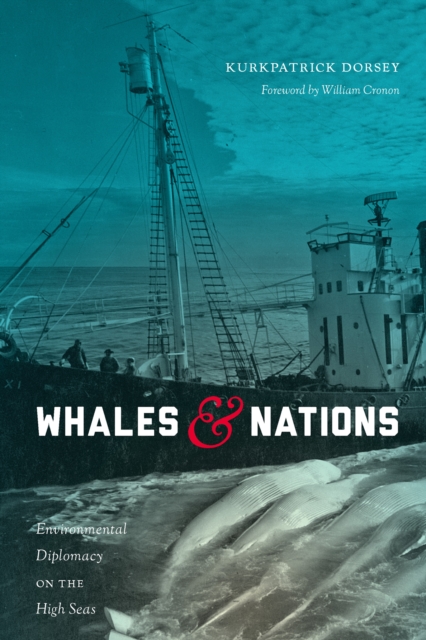
Before commercial whaling was outlawed in the 1980s, diplomats, scientists, bureaucrats, environmentalists, and sometimes even whalers themselves had attempted to create an international regulatory framework that would allow for a sustainable whaling industry.
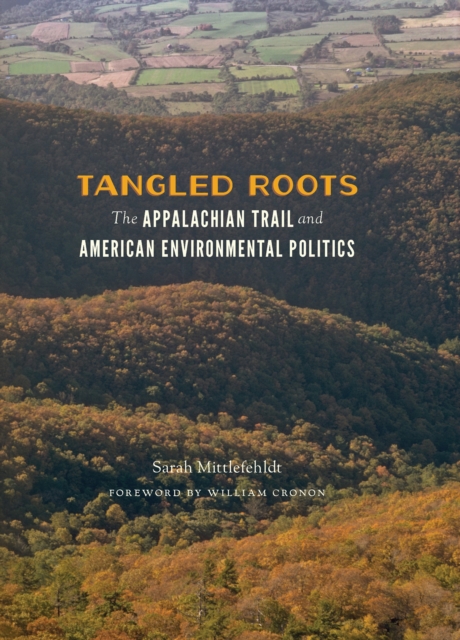
The Appalachian Trail, a thin ribbon of wilderness running through the densely populated eastern United States, offers a refuge from modern society and a place apart from human ideas and institutions.
From tenements to alleyways to latrines, twentieth-century American cities created spaces where pests flourished and people struggled for healthy living conditions.
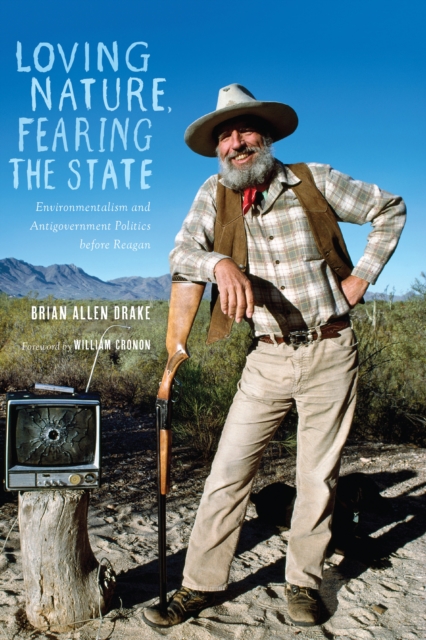
A "e;conservative environmental tradition"e; in America may sound like a contradiction in terms, but as Brian Allen Drake shows in Loving Nature, Fearing the State, right-leaning politicians and activists have shaped American environmental consciousness since the environmental movement's beginnings.
The Environmental Moment is a collection of documents that reveal the significance of the years 1968-1972 to the environmental movement in the United States.
Winner of the Western Writers of America 2014 Spur Award for Best Western Nonfiction, ContemporaryMention the Colorado high country today and vacation imagery springs immediately to mind: mountain scenery, camping, hiking, skiing, and world-renowned resorts like Aspen and Vail.
Winner of the 2014 Albert Corey Prize from the American Historical AssociationWinner of the 2013 Hal Rothman Award from the Western History AssociationWinner of the 2013 John Lyman Book Award in the Naval and Maritime Science and Technology category from the North American Society for Oceanic HistoryFor centuries, borders have been central to salmon management customs on the Salish Sea, but how those borders were drawn has had very different effects on the Northwest salmon fishery.
From Denali's majestic slopes to the Great Swamp of central New Jersey, protected wilderness areas make up nearly twenty percent of the parks, forests, wildlife refuges, and other public lands that cover a full fourth of the nation's territory.
This impassioned and rigorous analysis of the territorial plight of the Q'eqchi Maya of Guatemala highlights an urgent problem for indigenous communities around the world - repeated displacement from their lands.
In the dramatic narratives that comprise The Republic of Nature, Mark Fiege reframes the canonical account of American history based on the simple but radical premise that nothing in the nation's past can be considered apart from the natural circumstances in which it occurred.
Conservation was the first nationwide political movement in American history to grapple with environmental problems like waste, pollution, resource exhaustion, and sustainability.
Iceland, Greenland, Northern Norway, and the Faroe Islands lie on the edges of Western Europe, in an area long portrayed by travelers as remote and exotic - its nature harsh, its people reclusive.