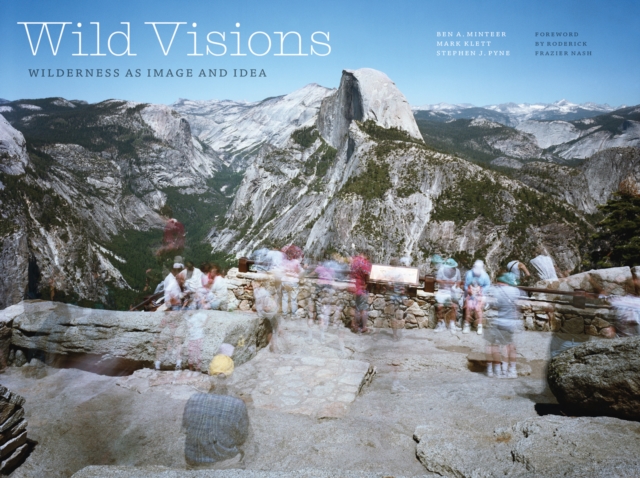
A stunning combination of landscape photography and thematic essays exploring how the concept of wilderness has evolved over time Our ideas of wilderness have evolved dramatically over the past one hundred and fifty years, from a view of wild country as an inviolable "e;place apart"e; to one that exists only within the matrix of human activity.
An exploration of the anthropogenic landscapes of Lucca, Italy, and how its people understand social and environmental change through cultivation In Italy and around the Mediterranean, almost every stone, every tree, and every hillside show traces of human activities.
A uniquely collaborative analysis of human adaptation to the Polynesian islands, told through oral histories, biophysical evidence, and historical records Humans began to settle the area we know as Polynesia between 3,000 and 800 years ago, bringing with them material culture, including plants and animals, and ideas about societal organization, and then adapting to the specific biophysical features of the islands they discovered.
An exploration of the scale, practical reality, and future implications of the growing integration of biodiversity conservation with global security concerns"e;There are few keener observers of international biodiversity conservation than Rosaleen Duffy.
An atmospheric scientist explains why global climate change mitigation and energy decarbonization demand American diplomacy, technology, and policy "e;Daniel Cohan makes a compelling case that the problem of climate change is solvable.
A definitive history of ideas about land redistribution, allied political movements, and their varied consequences around the world "e;An epic work of breathtaking scope and moral power, The Long Land War offers the definitive account of the rise and fall of land rights around the world over the last 150 years.
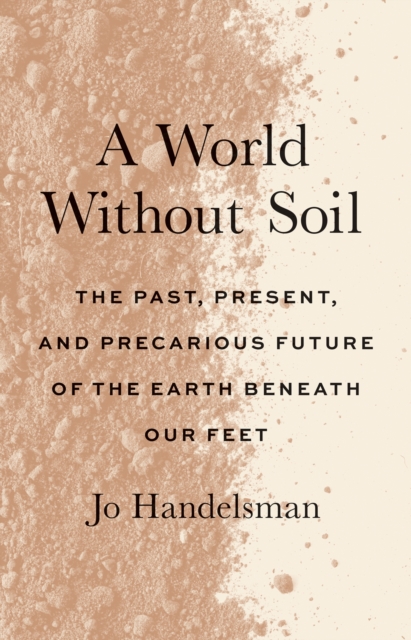
A scientist's manifesto addressing a soil loss crisis accelerated by poor conservation practices and climate change This book by celebrated biologist Jo Handelsman lays bare the complex connections among climate change, soil erosion, food and water security, and drug discovery.
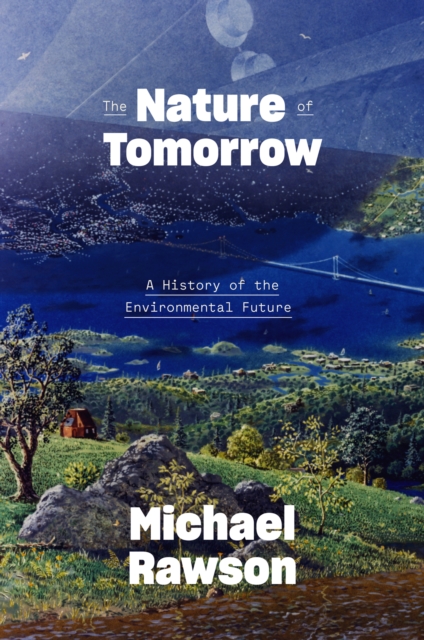
An examination of how Western visions of endless future growth have contributed to the global environmental crisisFor centuries, the West has produced stories about the future in which humans use advanced science and technology to transform the earth.
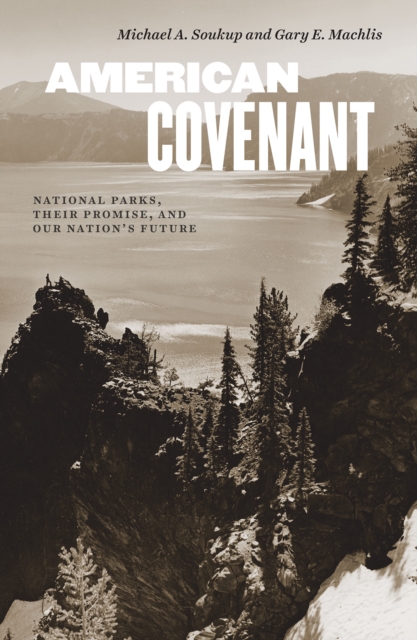
An intimate and candid account of our national parks and their strengths, vulnerabilities, and essential role in American life Part memoir, part critique, and paean to the value of national parks, American Covenant distills the experience and insights from two long careers in conservation.
An examination of the struggle to conserve biodiversity in urban regions, told through the story of the threatened coastal California gnatcatcherThe story of the rare coastal California gnatcatcher is a parable for understanding the larger ongoing struggle to conserve biodiversity in regions confronted with intensifying urban development.
A thoughtful exploration of how humans have endangered the Earth but can pull it back from the brink, as told by a renowned conservationistThis personal and thoughtful book by renowned Kenya conservationist David Western traces our global conquest from Maasai herders battling droughts in Africa to the technological frontiers of California.
An informed and heartfelt tribute to commonly unappreciated plants, insects, and other tiny creatures that reconsiders humanity’s relationship to nature Fruit flies, silverfish, dandelions, and crabgrass are the bane of many people and the target of numerous chemical and physical eradication efforts.
A captivating analysis of the past, present, and future of northeastern forests and the forces that have shaped them The northeastern United States is one of the most densely forested regions in the country, yet its history of growth, destruction, and renewal are for the most part poorly understood—even by specialists.
A presentation of key findings and insights from over two decades of research, education, and community engagement in the acclaimed Baltimore Ecosystem Study In a world of more than seven billion people—who mostly reside in cities and towns—the Baltimore Ecosystem Study is recognized as a pioneer in modern urban social-ecological science.
An urgent and timely story of the contentious politics of incorporating environmental justice into global climate change policy Although the science of climate change is clear, policy decisions about how to respond to its effects remain contentious.
A practical, bipartisan call to action from the world’s leading thinkers on the environment and sustainability Sustainability has emerged as a global priority over the past several years.
An essential, up-to-date look at the critical interactions between biological diversity and climate change that will serve as an immediate call to action The physical and biological impacts of climate change are dramatic and broad'ranging.
A radical new approach to tackling the growing threat of water scarcity Water is essential to life, yet humankind’s relationship with water is complex.
A thoughtful, accessible look at the rapidly growing issue of invasive plants, animals, and microbes around the globe with a focus on the scientific issues and ecological, health, and other challengesFrom an award-winning adventure and science journalist comes an eye-opening exploration of a burgeoning environmental phenomenon and the science coalescing around it.
A compelling exploration of Lake Superior’s conservation recovery and what it can teach us in the face of climate change Lake Superior, the largest lake in the world, has had a remarkable history, including resource extraction and industrial exploitation that caused nearly irreversible degradation.
A compelling and long-overdue exploration of the Progressive-era conservation movement, and its lasting effects on American culture, politics, and contemporary environmentalismThe turn of the twentieth century caught America at a crossroads, shaking the dust from a bygone era and hurtling toward the promises of modernity.
A compelling and long-overdue exploration of the Progressive-era conservation movement, and its lasting effects on American culture, politics, and contemporary environmentalismThe turn of the twentieth century caught America at a crossroads, shaking the dust from a bygone era and hurtling toward the promises of modernity.
A leading environmental thinker takes a hard look at the obstacles and possibilities on the long road to sustainabilityThis gripping, deeply thoughtful book considers future of civilization in the light of what we know about climate change and related threats.
An engaging history of the founding of one of the world’s most popular environmental organizations, the Audubon Society In 1887, a year after founding the Audubon Society, explorer and conservationist George Bird Grinnell launched Audubon Magazine.
A beautifully illustrated overview and synthesis of how scientists have used a living forest as an experimental laboratory for more than 50 years For more than 50 years, the Hubbard Brook Experimental Forest in the White Mountains of New Hampshire has been one of the most intensely studied landscapes on earth.
Hard-hitting recommendations for what must be done to manage global natural capital and reverse environmental destructionNatural capital is what nature provides to us for free.
An exploration of product certification programs and the factors that explain their varied success in becoming global governors equipped to tackle environmental and social problems effectively Consumers now encounter organic or fair-trade labels on a variety of products, implying such desirable benefits as improved environmental conditions or more equitable market transactions.
How small, innovative grassroots groups are discovering a new kind of economy and a richer quality of life Many of today’s most troubling environmental and economic issues have come to seem insoluble: carbon emissions, overshoot, inequality, joblessness, and a dysfunctional food system.
An eloquent explanation of why human beings need to connect with nature and what is lost when they are disconnected from the natural world Human health and well-being are inextricably linked to nature; our connection to the natural world is part of our biological inheritance.
The Montreal Protocol has been cited as the most successful global environmental agreement, responsible for phasing out the use of ozone-depleting substances.
An innovative anthology that offers a global perspective on how people think about predicting the future of life on Earth This anthology provides an historical overview of the scientific ideas behind environmental prediction and how, as predictions about environmental change have been taken more seriously and widely, they have affected politics, policy, and public perception.
For James Barilla and his family, the dream of transforming their Columbia, South Carolina, backyard into a haven for wildlife evoked images of kids catching grasshoppers by day and fireflies at night, of digging up potatoes and picking strawberries.
A fascinating look at how the deciduous forests of the northern hemisphere have developed across time and space, providing the insights we need to preserve them today Deciduous forests have been remarkably resilient throughout their history, recovering from major shifts in climate and surviving periods of massive deforestation.
As scientific and observational evidence on global warming piles up every day, questions of economic policy in this central environmental topic have taken center stage.
A compelling exposé of the highly problematic scholarship of Bjørn Lomborg, the world’s leading global warming skeptic In this major assessment of leading climate-change skeptic Bjørn Lomborg, Howard Friel meticulously deconstructs the Danish statistician’s claim that global warming is “no catastrophe” by exposing the systematic misrepresentations and partial accounting that are at the core of climate skepticism.
When the nature writer Richard Mahler discovers that wild jaguars are prowling a remote corner of his home state of New Mexico, he embarks on a determined quest to see in the flesh a big, beautiful cat that is the stuff of legend—yet verifiably real.
In this impressively researched, alarming book, Rosaleen Duffy investigates the world of nature conservation, arguing that the West’s attitude to endangered wildlife is shallow, self-contradictory, and ultimately very damaging.
The hardy, multipurpose Dominique chickens that came to the New World with the Pilgrims and later traveled in pioneer saddlebags to help settle the West were once too numerous to count; by 1990 a mere 500 hens survived.
Critics of environmental laws complain that such rules often burden people unequally, restrict individual liberty, and undercut private property rights.