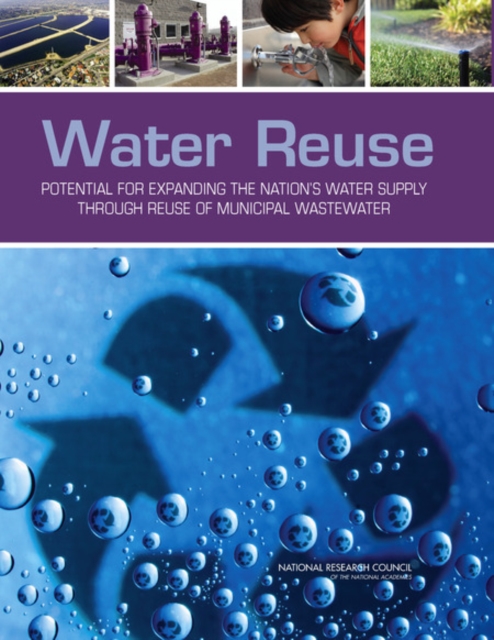
Expanding water reusethe use of treated wastewater for beneficial purposes including irrigation, industrial uses, and drinking water augmentationcould significantly increase the nation's total available water resources.
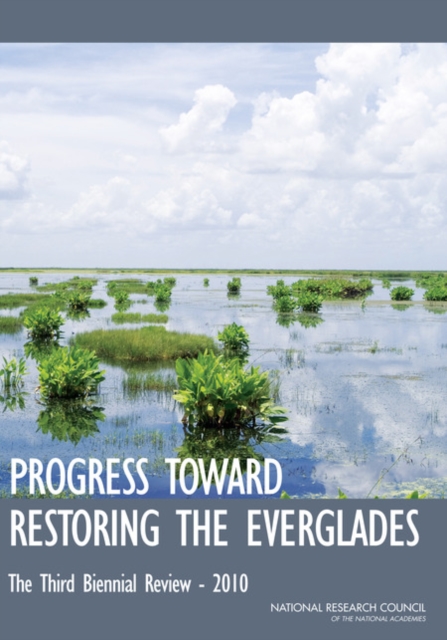
Although the progress of environmental restoration projects in the Florida Everglades remains slow overall, there have been improvements in the pace of restoration and in the relationship between the federal and state partners during the last two years.
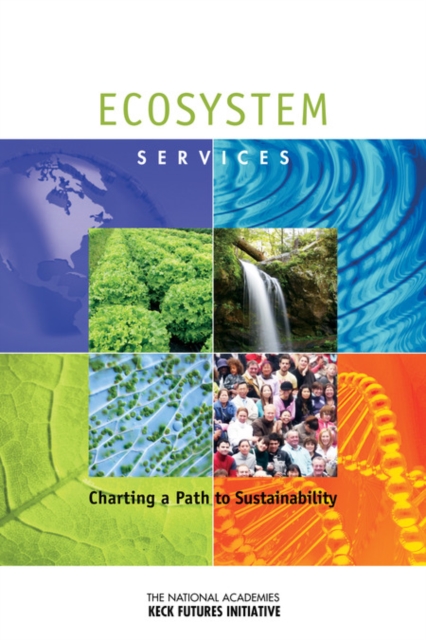
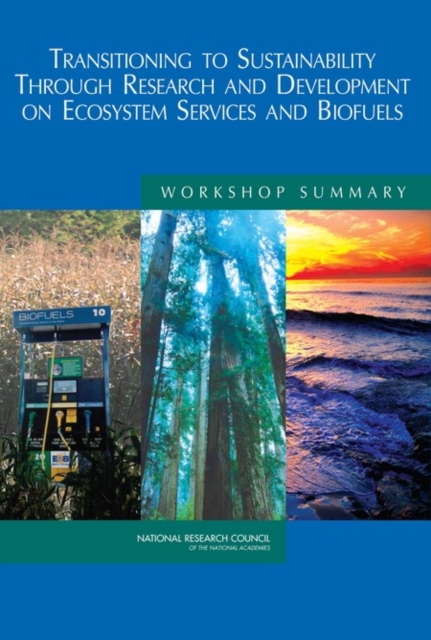
The National Research Council's Roundtable on Science and Technology for Sustainability hosted "e;Transitioning to Sustainability through Research and Development on Ecosystem Services and Biofuels: The National Academies' First Federal Sustainability Research and Development Forum"e; on October 17- 18, 2007.
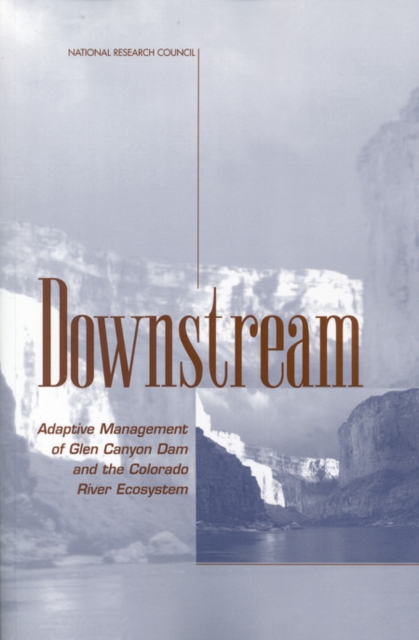
The Grand Canyon Monitoring and Research Center began long-term planning at its inception and, in May 1997, produced a Long-Term Monitoring and Research Strategic Plan that was adopted by stakeholder groups (the Adaptive Management Work Group and the Technical Work Group) later that year.
The committee assesses the USGS's responses to a 1996 program review, evaluates the minerals information team, and examines how the program's mission and vision might evolve to meet the nation's future needs over the next decade.
In December 2002, a group of specialists on water resources from the United States and Iran met in Tunis, Tunisia, for an interacademy workshop on water resources management, conservation, and recycling.
To fulfill its commitment to clean water, the United States depends on limnology, a multidisciplinary science that seeks to understand the behavior of freshwater bodies by integrating aspects of all basic sciencesfrom chemistry and fluid mechanics to botany, ichthyology, and microbiology.
In light of recent evidence on the relationship of ozone to mortality and questions about its implications for benefit analysis, the Environmental Protection Agency asked the National Research Council to establish a committee of experts to evaluate independently the contributions of recent epidemiologic studies to understanding the size of the ozone-mortality effect in the context of benefit analysis.
This book addresses the technical, health, regulatory, and social aspects of ground water withdrawals, water use, and water quality in the metropolitan area of Mexico City, and makes recommendations to improve the balance of water supply, water demand, and water conservation.
This book, while focusing on current preservation challenges posed by the Aga, or Mariana crow, also reflects the larger issues and challenges of biodiversity conservation in all oceanic island ecosystems.
Research Needs in Subsurface Science provides an overview of the subsurface contamination problems across the DOE complex and shows by examples from the six largest DOE sites (Hanford Site, Idaho Engineering and Environmental Laboratory, Nevada Test Site, Oak Ridge Reservation, Rocky Flats Environmental Technology Site, and Savannah River Site) how advances in scientific and engineering knowledge can improve the effectiveness of the cleanup effort.
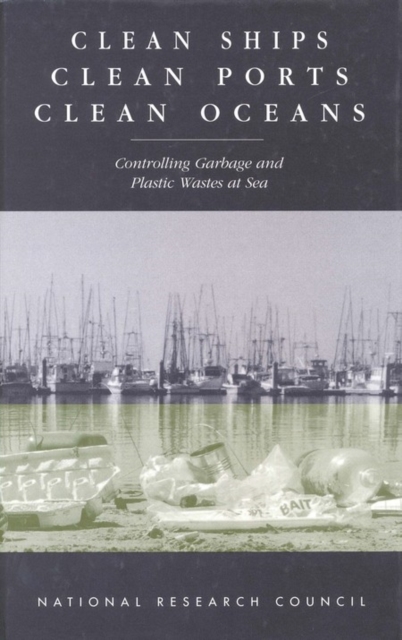
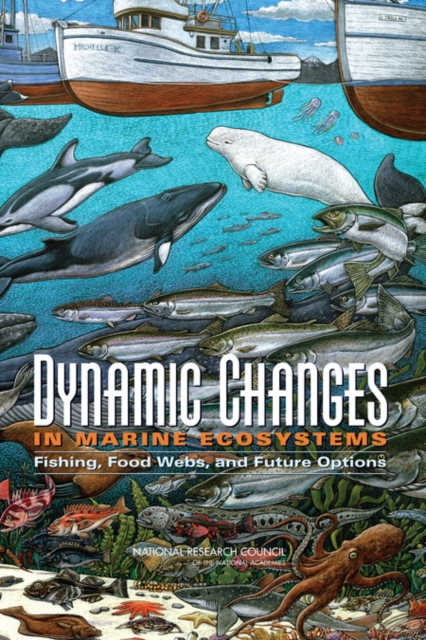
Although the ocean-and the resources within-seem limitless, there is clear evidence that human impacts such as overfishing, habitat destruction, and pollution disrupt marine ecosystems and threaten the long-term productivity of the seas.
The fiscal and technological limitations associated with cleaning up hazardous waste sites to background conditions have prompted responsible parties to turn to risk-based methods for environmental rememdiation.
This report reviews documents on acute exposure guideline levels (AEGLs) for nerve agents GA (tabun), GB (sarin), GD (soman), GD, and VX, sulfur mustard, diborane, and methyl isocyanate.
Analytical Methods and Approaches for Water Resources Project Planningis part of a larger study that was conducted in response to a request from the U.
Recent scientific literature has raised many concerns about whether fisheries have caused more extensive changes to marine populations and ecosystems than previously realized or predicted.
Although the progress of environmental restoration projects in the Florida Everglades remains slow overall, there have been improvements in the pace of restoration and in the relationship between the federal and state partners during the last two years.
Advances in molecular biology and toxicology are paving the way for major improvements in the evaluation of the hazards posed by the large number of chemicals found at low levels in the environment.
Nutrient recycling, habitat for plants and animals, flood control, and water supply are among the many beneficial services provided by aquatic ecosystems.
In light of recent evidence on the relationship of ozone to mortality and questions about its implications for benefit analysis, the Environmental Protection Agency asked the National Research Council to establish a committee of experts to evaluate independently the contributions of recent epidemiologic studies to understanding the size of the ozone-mortality effect in the context of benefit analysis.
The National Research Council's Roundtable on Science and Technology for Sustainability hosted "e;Transitioning to Sustainability through Research and Development on Ecosystem Services and Biofuels: The National Academies' First Federal Sustainability Research and Development Forum"e; on October 17- 18, 2007.
Advances in molecular biology and toxicology are paving the way for major improvements in the evaluation of the hazards posed by the large number of chemicals found at low levels in the environment.
An engrossing, adventure-filled account of the rush to discover and save Vietnam''s most extraordinary animals Deep in the jungle where the borders of Vietnam meet those of Laos and Cambodia is a region known as "the lost world.
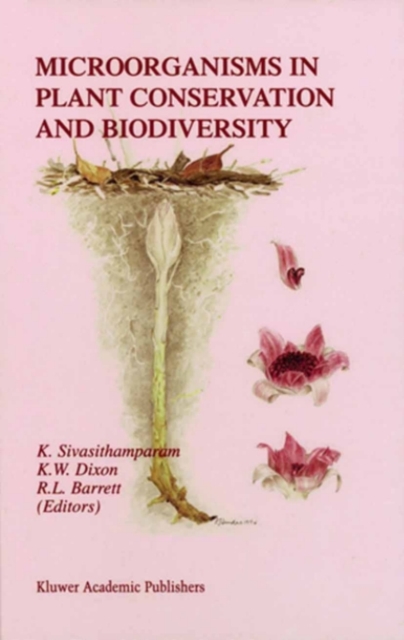
Plant conservation is increasingly recognised as an outstanding global priority, yet despite considerable efforts over the last few decades, the number of threatened species continues to rise.
"e;This water"e; he told me, "e;runs out to the eastern region, and flows into the Arabah; and when it comes into the sea, into the sea of foul waters [i.