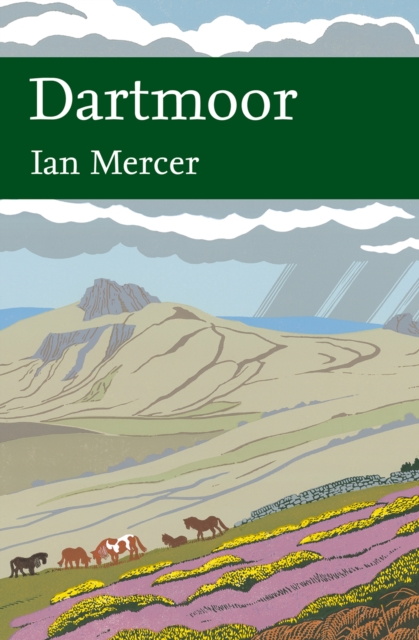
New Naturalist Dartmoor explores the complex and fascinating history of one of southern England's greatest National Parks, an area of enormous interest to naturalists and tourists alike.
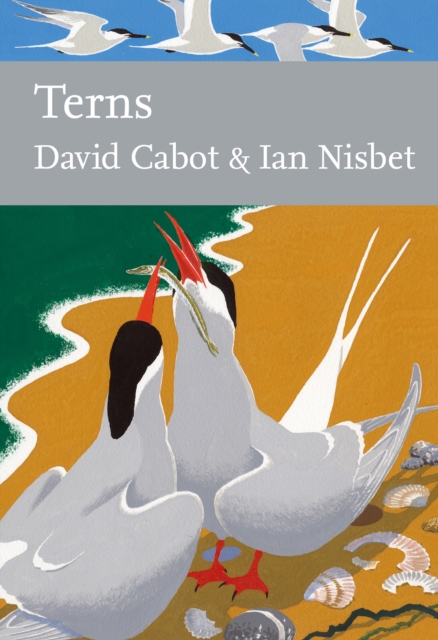
This New Naturalist volume provides a much-anticipated overview of these fascinating birds - the first book on the natural history of British and Irish terns since 1934.
In this remarkable, landmark publication, countryman Sir Johnny Scott evokes all that is romantic about the British countryside, its people, customs and traditions.
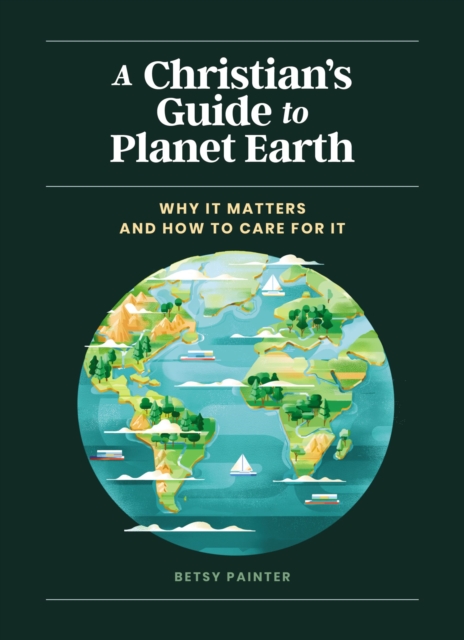
From conservation to protecting endangered species to sustainable living, A Christian's Guide to Planet Earth offers a faith-based framework for viewing our responsibility to the natural world as well as practical, biblical ways we can care for the magnificent creation around us.
Declines in the abundance of salmon in the Arctic-Yukon-Kuskokwim (AYK) region of western Alaska in the late 1990s and early 2000s created hardships for the people and communities who depend on this resource.
The Grand Canyon Monitoring and Research Center began long-term planning at its inception and, in May 1997, produced a Long-Term Monitoring and Research Strategic Plan that was adopted by stakeholder groups (the Adaptive Management Work Group and the Technical Work Group) later that year.
Recent scientific literature has raised many concerns about whether fisheries have caused more extensive changes to marine populations and ecosystems than previously realized or predicted.
This book addresses the technical, health, regulatory, and social aspects of ground water withdrawals, water use, and water quality in the metropolitan area of Mexico City, and makes recommendations to improve the balance of water supply, water demand, and water conservation.
Since the need to protect ground water from pollution was recognized, researchers have made progress in understanding the vulnerability of ground water to contamination.
The Hawaiian Crow, or 'Alala, once an inhabitant of large forested areas of Hawaii, is now found only in the wild in a relatively small area of the central Kona coast.
When waterfowl began to die from selenium poisoning at Kesterson National Wildlife Refuge in California's San Joaquin Valley, considerable alarm arose among environmental and agricultural specialists.
Much of the more than 30 million tons of asbestos used in the United States since 1900 is still present as insulation in offices and schools, as vinyl-asbestos flooring in homes, and in other common products.
This book presents key conclusions about the controversial killing of thousands of dolphins each year during tuna fishing in the eastern tropical Pacific.
Nutrient recycling, habitat for plants and animals, flood control, and water supply are among the many beneficial services provided by aquatic ecosystems.
In December 2002, a group of specialists on water resources from the United States and Iran met in Tunis, Tunisia, for an interacademy workshop on water resources management, conservation, and recycling.
The site of a proposed repository for high-level radioactive waste from the nation's nuclear power plants is not at risk of ground water infiltration, concludes this important book.
This report reviews documents on acute exposure guideline levels (AEGLs) for nerve agents GA (tabun), GB (sarin), GD (soman), GD, and VX, sulfur mustard, diborane, and methyl isocyanate.
Analytical Methods and Approaches for Water Resources Project Planningis part of a larger study that was conducted in response to a request from the U.
The committee assesses the USGS's responses to a 1996 program review, evaluates the minerals information team, and examines how the program's mission and vision might evolve to meet the nation's future needs over the next decade.
The fiscal and technological limitations associated with cleaning up hazardous waste sites to background conditions have prompted responsible parties to turn to risk-based methods for environmental rememdiation.
This book, while focusing on current preservation challenges posed by the Aga, or Mariana crow, also reflects the larger issues and challenges of biodiversity conservation in all oceanic island ecosystems.
Research Needs in Subsurface Science provides an overview of the subsurface contamination problems across the DOE complex and shows by examples from the six largest DOE sites (Hanford Site, Idaho Engineering and Environmental Laboratory, Nevada Test Site, Oak Ridge Reservation, Rocky Flats Environmental Technology Site, and Savannah River Site) how advances in scientific and engineering knowledge can improve the effectiveness of the cleanup effort.
Although the ocean-and the resources within-seem limitless, there is clear evidence that human impacts such as overfishing, habitat destruction, and pollution disrupt marine ecosystems and threaten the long-term productivity of the seas.
Although ecosystems, humans, and fire have coexisted for millennia, changes in geology, ecology, hydrology, and climate as well as sociocultural, regulatory, and economic factors have converged to make wildland fire management exceptionally challenging for U.
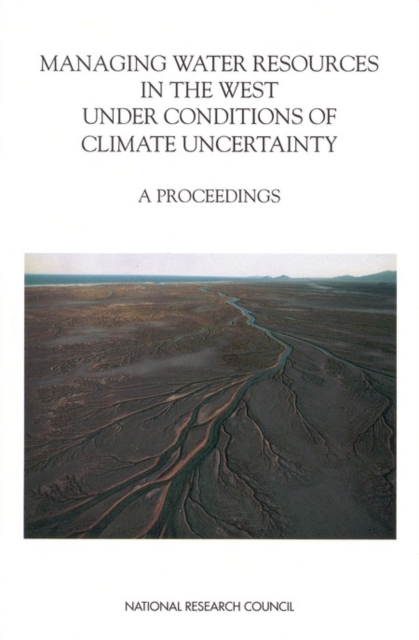
Chronic and episodic water shortages are becoming common in many regions of the United States, and population growth in water-scarce regions further compounds the challenges.
Development of Unconventional Hydrocarbon Resources in the Appalachian Basin is the summary of a workshop convened by the National Research Council to examine the geology and unconventional hydrocarbon resources of the Appalachian Basin; technical methods for producing unconventional hydrocarbons and disposing of wastewater; the potential effects of production on the environment; relevant policies and regulations; and priorities for future scientific and engineering research.
Twelve years into the Comprehensive Everglades Restoration Project, little progress has been made in restoring the core of the remaining Everglades ecosystem; instead, most project construction so far has occurred along its periphery.