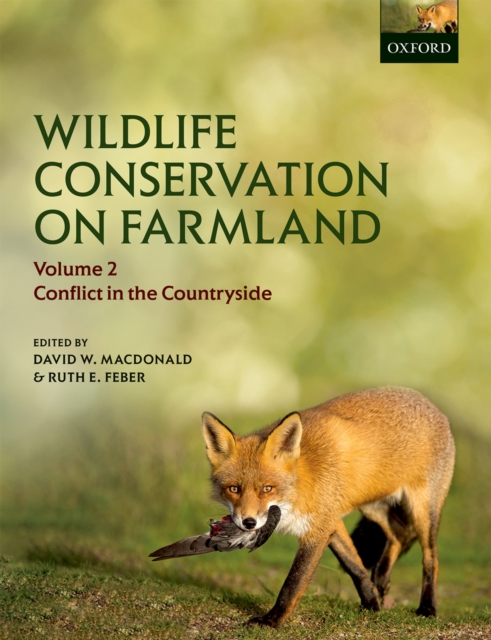
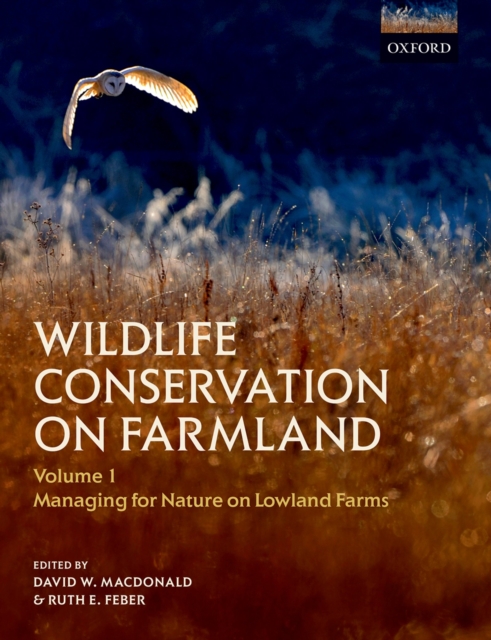
Many of the encounters between farming and wildlife, especially vertebrates, involve some level of conflict which can cause disadvantage to both the wildlife and the people involved.
Using more than 30 years research from the author team at the Wildlife Conservation Research Unit (WildCRU), this volume reveals how agricultural systems and wildlife interact, presenting examples from scales varying from landscape to microcosm, from populations to individuals, covering plants, invertebrates, birds, and mammals.
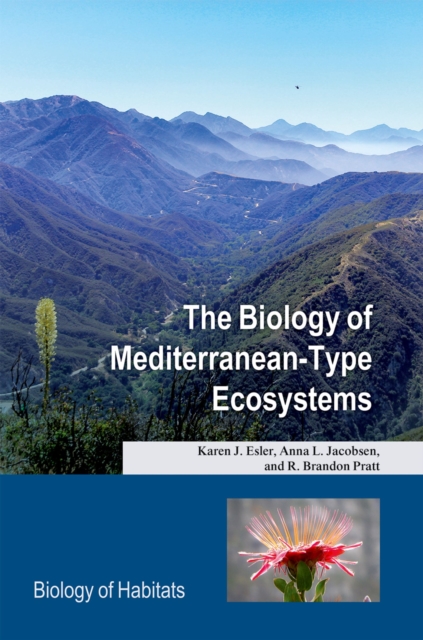
The world's mediterranean-type climate regions (including areas within the Mediterranean, South Africa, Australia, California, and Chile) have long been of interest to biologists by virtue of their extraordinary biodiversity and the appearance of evolutionary convergence between these disparate regions.
This practical handbook of reptile field ecology and conservation brings together a distinguished, international group of reptile researchers to provide a state-of-the-art review of the many new and exciting techniques used to study reptiles.
This practical handbook of reptile field ecology and conservation brings together a distinguished, international group of reptile researchers to provide a state-of-the-art review of the many new and exciting techniques used to study reptiles.
This practical manual of amphibian ecology and conservation brings together a distinguished, international group of amphibian researchers to provide a state-of-the-art review of the many new and exciting techniques used to study amphibians and to track their conservation status and population trends.
A multitude of direct and indirect human influences have significantly altered the environmental conditions, composition, and diversity of marine communities.
A multitude of direct and indirect human influences have significantly altered the environmental conditions, composition, and diversity of marine communities.
The ability to anticipate the impacts of global environmental changes on natural resources is fundamental to designing appropriate and optimised adaptation and mitigation strategies.
Biodiversity of Pantepui: The Pristine "e;Lost World"e; of the Neotropical Guiana Highlands provides the most updated and comprehensive knowledge on the biota, origin, and evolution of the Pantepui biogeographical province.
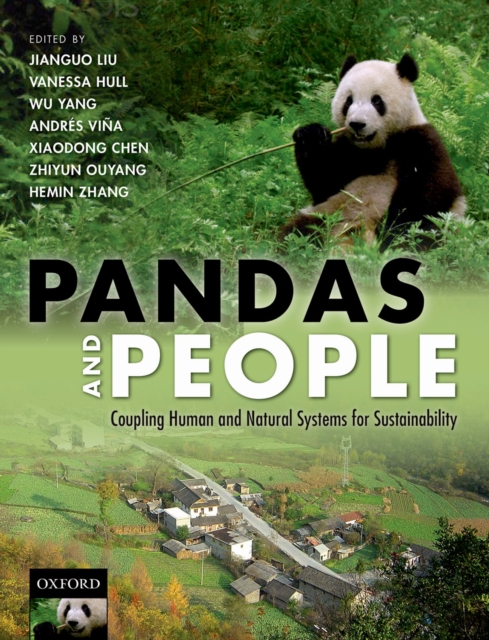
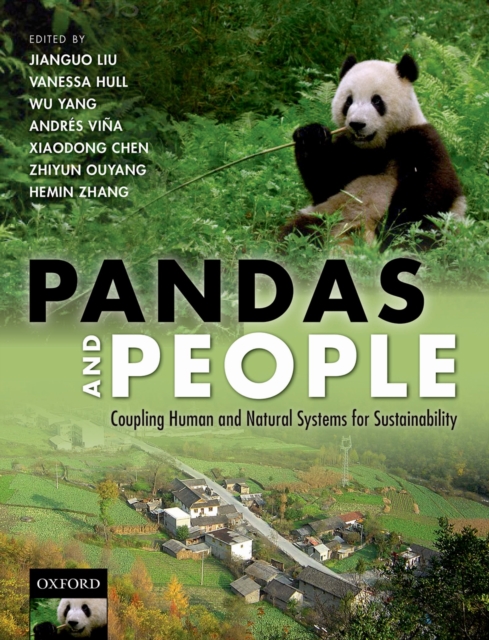
Understanding the complex relationships between humans and the natural world is essential for achieving environmental sustainability and improving human well-being, yet many studies are unable to reveal complex interactions and hidden trends.
Understanding the complex relationships between humans and the natural world is essential for achieving environmental sustainability and improving human well-being, yet many studies are unable to reveal complex interactions and hidden trends.
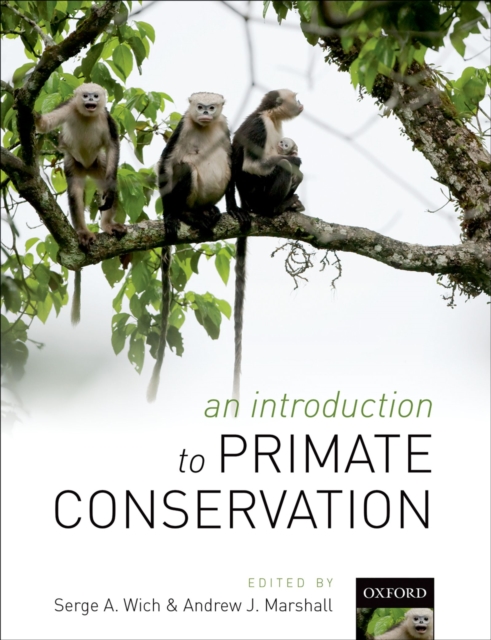
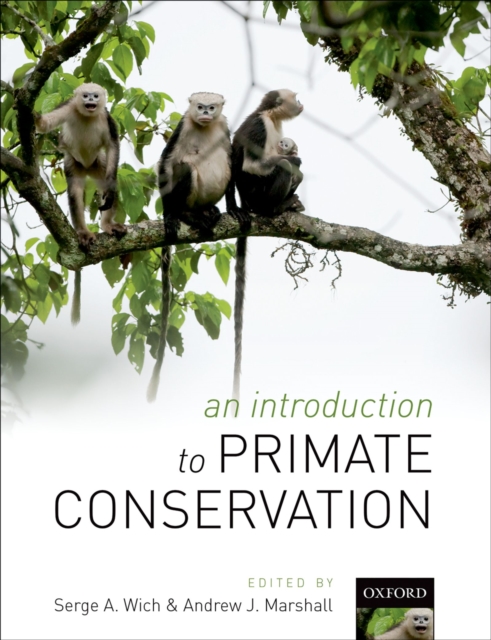
The number of primates on the brink of extinction continues to grow, and the need to respond with effective conservation measures has never been greater.
The number of primates on the brink of extinction continues to grow, and the need to respond with effective conservation measures has never been greater.
In The Greening of Antarctica Alessandro Antonello investigates the development of an international regime of environmental protection and management between the signing of the Antarctic Treaty in 1959 and the signing of the Convention on the Conservation of Antarctic Marine Living Resources in 1980.
In The Greening of Antarctica Alessandro Antonello investigates the development of an international regime of environmental protection and management between the signing of the Antarctic Treaty in 1959 and the signing of the Convention on the Conservation of Antarctic Marine Living Resources in 1980.
While politicians, entrepreneurs, and even school children could tell you that sustainability is an important and nearly universal value, many of them, and many of us, may struggle to define the term, let alone trace its history.
While politicians, entrepreneurs, and even school children could tell you that sustainability is an important and nearly universal value, many of them, and many of us, may struggle to define the term, let alone trace its history.
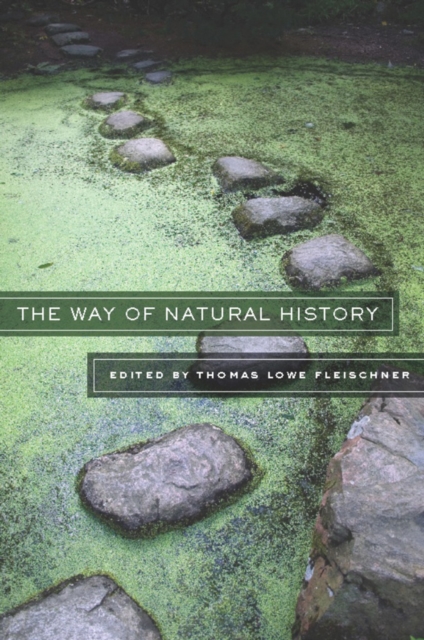
In this eclectic anthology, more than 20 scientists, nature writers, poets, and Zen practitioners, attest to how paying attention to nature can be a healing antidote to the hectic and harrying pace of our lives.
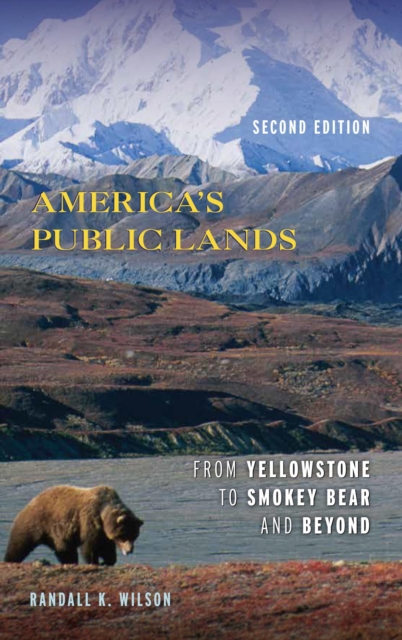
How it is that the United States-the country that cherishes the ideal of private property more than any other in the world-has chosen to set aside nearly one-third of its land area as public lands?
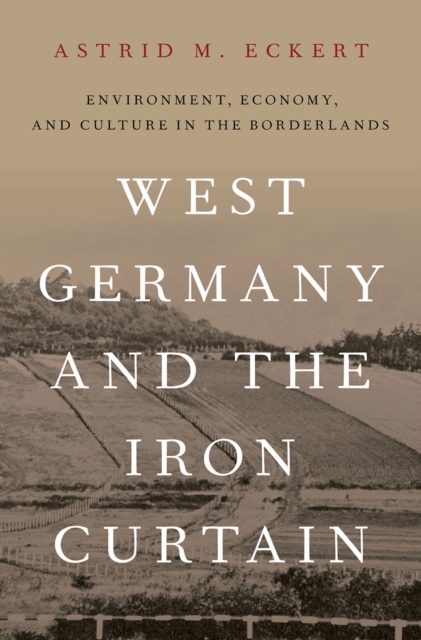
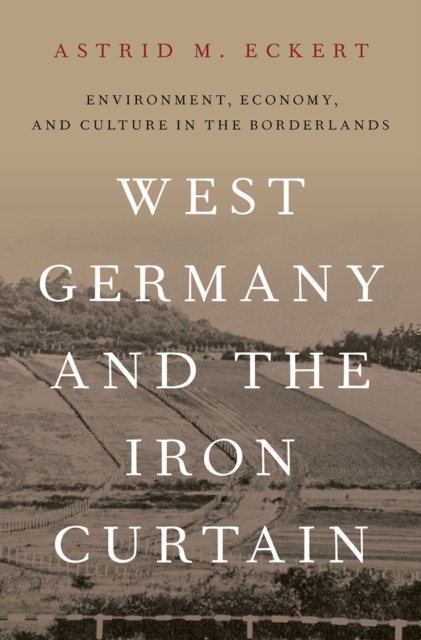
West Germany and the Iron Curtain takes a fresh look at the history of Cold War Germany and the German reunification process from the spatial perspective of the West German borderlands that emerged along the volatile inter-German border after 1945.
West Germany and the Iron Curtain takes a fresh look at the history of Cold War Germany and the German reunification process from the spatial perspective of the West German borderlands that emerged along the volatile inter-German border after 1945.
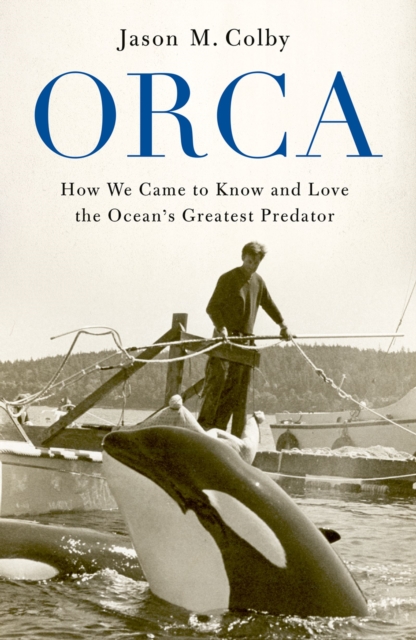
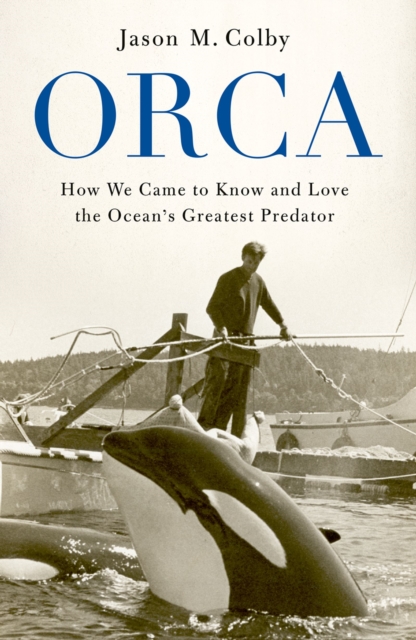
Since the release of the documentary Blackfish in 2013, millions around the world have focused on the plight of the orca, the most profitable and controversial display animal in history.
Since the release of the documentary Blackfish in 2013, millions around the world have focused on the plight of the orca, the most profitable and controversial display animal in history.
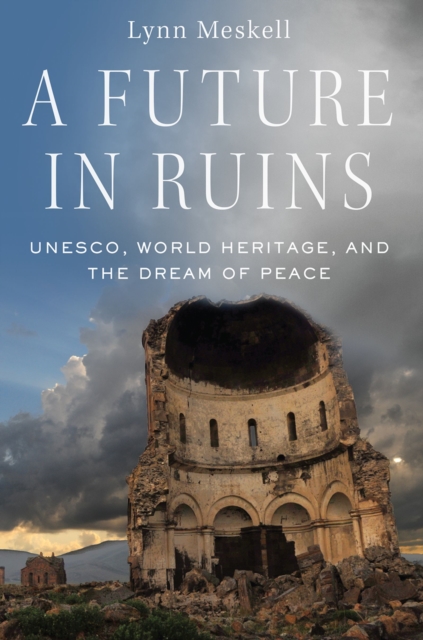
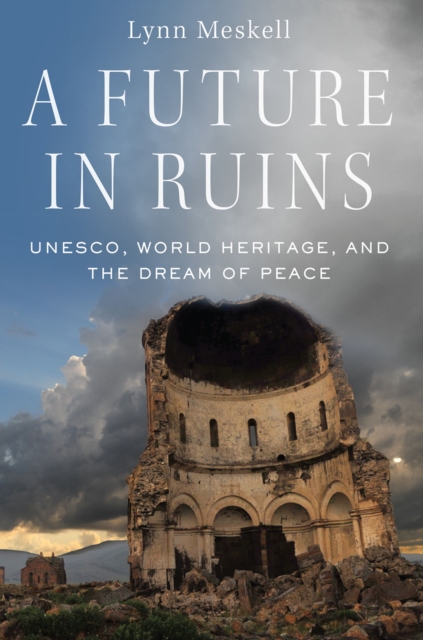
Best known for its World Heritage program committed to "e;the identification, protection and preservation of cultural and natural heritage around the world considered to be of outstanding value to humanity,"e; the United Nations Educational, Scientific and Cultural Organization (UNESCO) was founded in 1945 as an intergovernmental agency aimed at fostering peace, humanitarianism, and intercultural understanding.
Best known for its World Heritage program committed to "e;the identification, protection and preservation of cultural and natural heritage around the world considered to be of outstanding value to humanity,"e; the United Nations Educational, Scientific and Cultural Organization (UNESCO) was founded in 1945 as an intergovernmental agency aimed at fostering peace, humanitarianism, and intercultural understanding.
This book is about tropical biology in action- how biologists grapple with the ecology and evolution of the great species diversity in tropical rainforests and coral reefs.