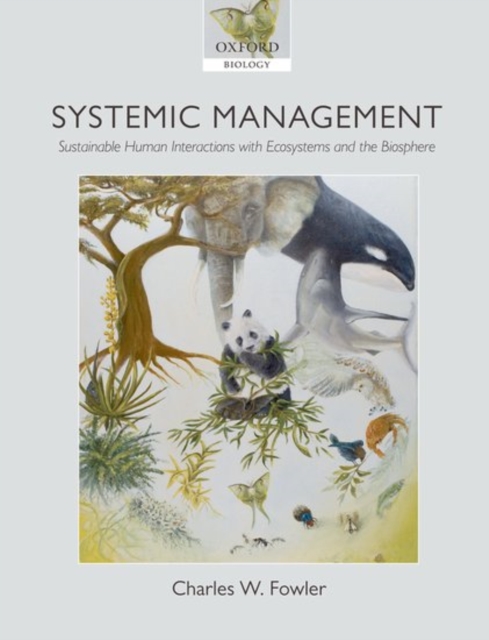
'Systemic management' describes a holistic, objective and universally applicable form of management, providing a framework for addressing environmental challenges such as global warming, emergent diseases, deforestation, overpopulation, the extinction crisis, pollution, over-fishing, and habitat destruction.
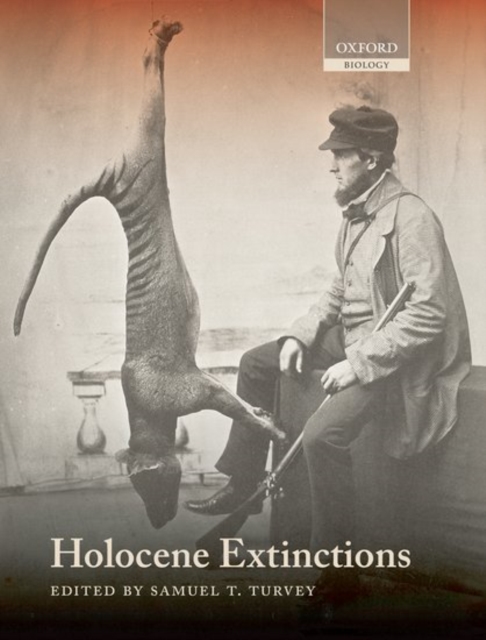
The extent to which human activity has influenced species extinctions during the recent prehistoric past remains controversial due to other factors such as climatic fluctuations and a general lack of data.
With up to a quarter of all insect species heading towards extinction over the next few decades, there is now a pressing need to summarize the techniques available for measuring insect diversity in order to develop effective conservation strategies.
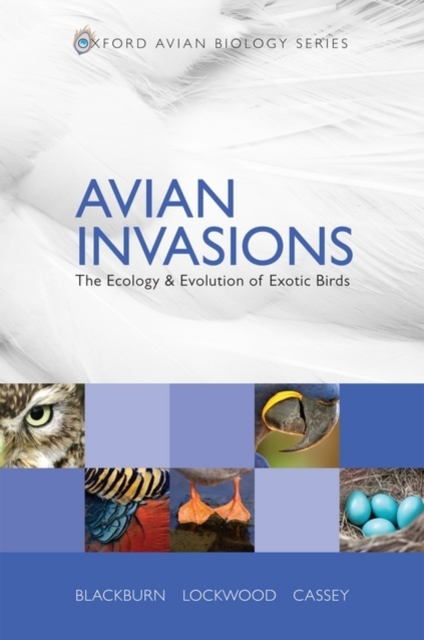
Biological invaders represent one of the primary threats to the maintenance of global biodiversity, human health, and the success of human economic enterprises.
The work of conservation biology has grown from local studies of single species into a discipline concerned with mapping and managing biodiversity on a global scale.
Caves and other subterranean habitats with their often strange (even bizarre) inhabitants have long been objects of fascination, curiosity, and debate.
The History of British Birds reviews our knowledge of avifaunal history over the last 15,000 years, setting it in its wider historical and European context.
Bats are highly charismatic and popular animals that are not only fascinating in their own right, but illustrate most of the topical and important concepts and issues in mammalian biology.
Coastal zones are becoming increasingly topical (and politically sensitive) as they face relentless pressures from urban expansion, recreational development, and sea level rise due to climate change.
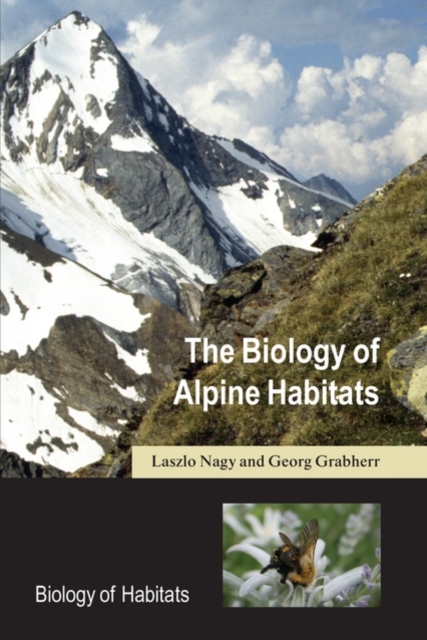
This book is unique in providing a global overview of alpine (high mountain) habitats that occur above the natural (cold-limited) tree line, describing the factors that have shaped them over both ecological and evolutionary timescales.
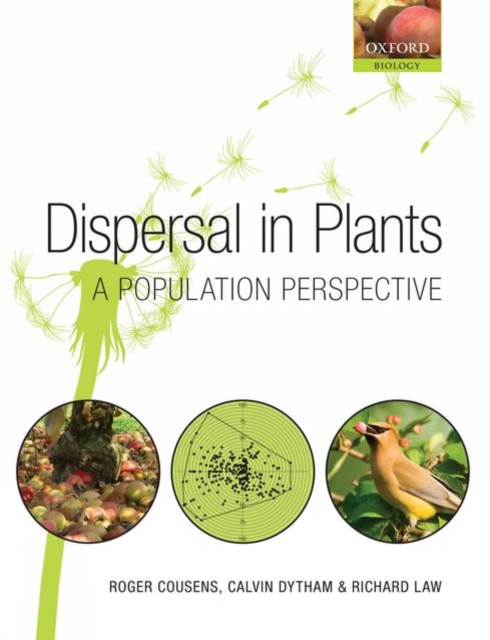
This advanced textbook is the first to explore the consequences of plant dispersal for population and community dynamics, spatial patterns, and evolution.
Forest conservation has become one of the most important environmental issues currently facing humanity, as a result of widespread deforestation and forest degradation.
The relentless exploitation and unsustainable use of wildlife, whether for food, medicine or other uses, is a key concern for conservationists worldwide.
Temporary waters are found throughout the world, and include intermittent streams and ponds, episodic rain puddles, seasonal limestone lakes, the water-retaining structures of plants, such as bromeliads and pitcher plants, and a variety of man-made container habitats.
Unlike humans, who came down from the trees and developed bipedal locomotion, chimpanzees have remained in the original habitat of our ancestors: the tropical rainforests of Africa.
The World Trade Organization (WTO) is scarcely ten years old, but even in these early years of its existence it has generated debate, controversy and even outrage.
This is the first book to summarize the methods, conceptual issues and results of studies using the interpretation of feather growth rates as an index of nutritional condition in birds.
Since time immemorial mankind has taken it upon himself to wage war against nature -- against those species of birds and mammals which he believes conflict with his livelihood.
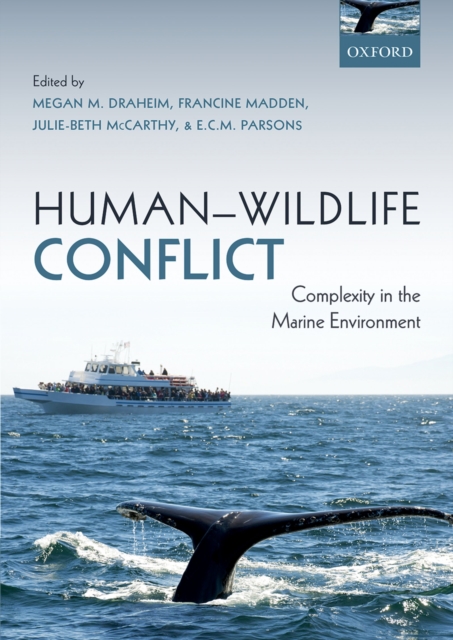
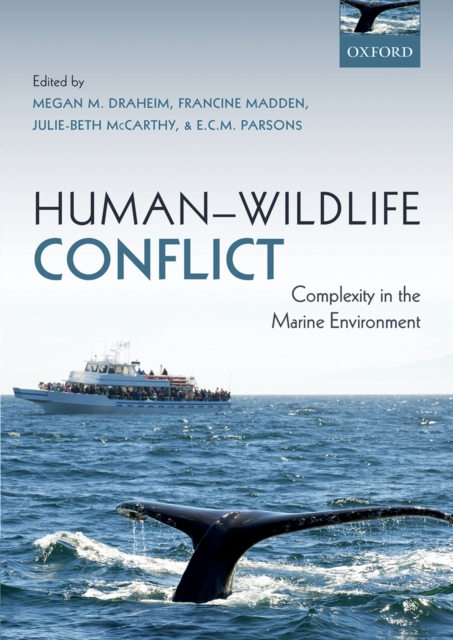
Human-wildlife conflict (HWC) has classically been defined as a situation where wildlife impacts humans negatively (physically, economically, or psychologically), and where humans likewise negatively impact wildlife.
Human-wildlife conflict (HWC) has classically been defined as a situation where wildlife impacts humans negatively (physically, economically, or psychologically), and where humans likewise negatively impact wildlife.
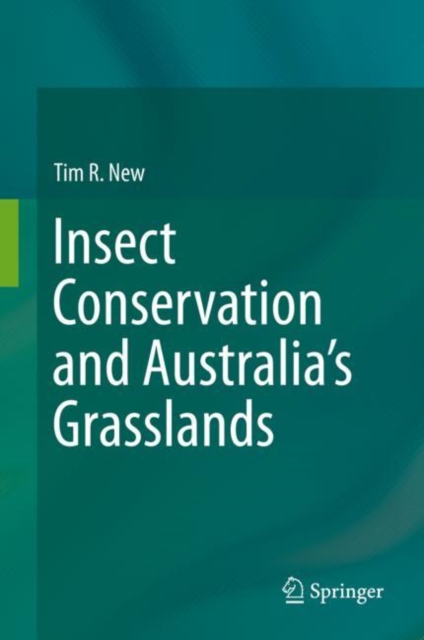
Australia's varied grasslands have suffered massive losses and changes since European settlement, and those changes continue under increasingly intensive human pressures for development and agricultural production.
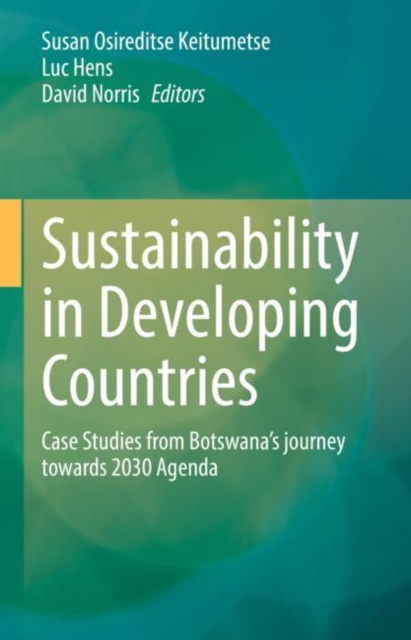
This book illustrates an alternative approach to 'state of sustainability' reporting by presenting cross-sectoral and multi-disciplinary discussions on sustainability issues in the context of a developing country, Botswana.
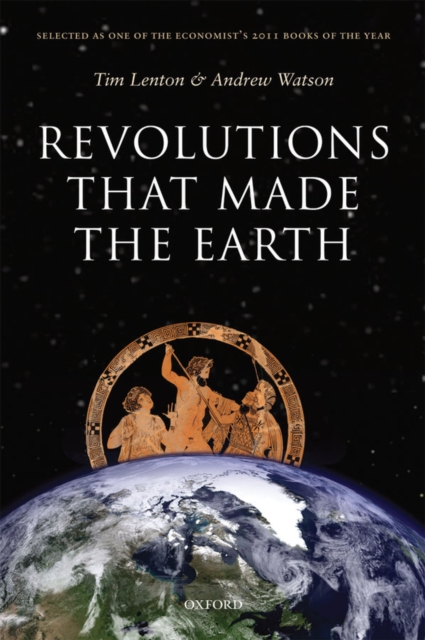
The Earth that sustains us today was born out of a few remarkable, near-catastrophic revolutions, started by biological innovations and marked by global environmental consequences.
The Earth that sustains us today was born out of a few remarkable, near-catastrophic revolutions, started by biological innovations and marked by global environmental consequences.
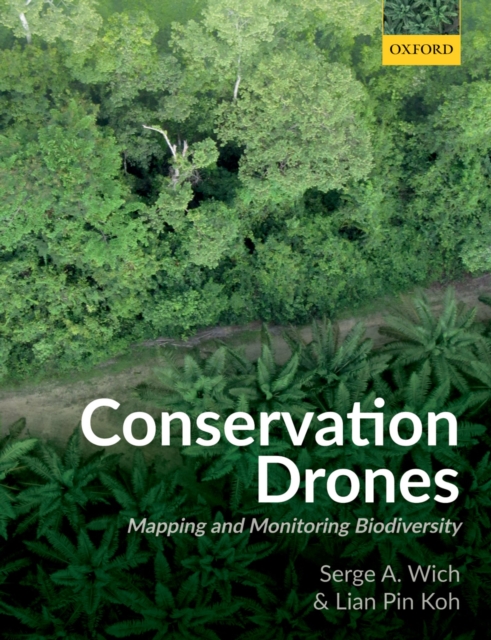
Increasing numbers of ecologists and conservation biologists have begun to explore the use of drone technology to obtain accurate and up-to-date data on the distribution and density of species, as well as the threats to their habitats, in their ongoing attempts to conserve and monitor biodiversity.
Asian tropical forests are amongst the most diverse on the planet, a richness that belies the fact that they are dominated by a single family of trees, the Dipterocarpaceae.
Asian tropical forests are amongst the most diverse on the planet, a richness that belies the fact that they are dominated by a single family of trees, the Dipterocarpaceae.
One of the greatest unmet challenges in conservation biology is the genetic management of fragmented populations of threatened animal and plant species.
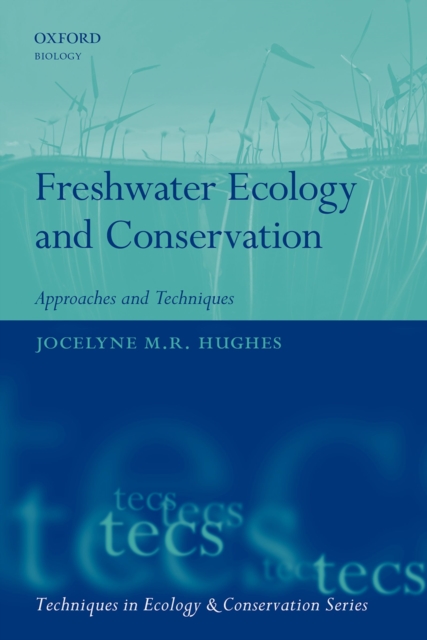
This practical manual of freshwater ecology and conservation provides a state-of-the-art review of the approaches and techniques used to measure, monitor, and conserve freshwater ecosystems.
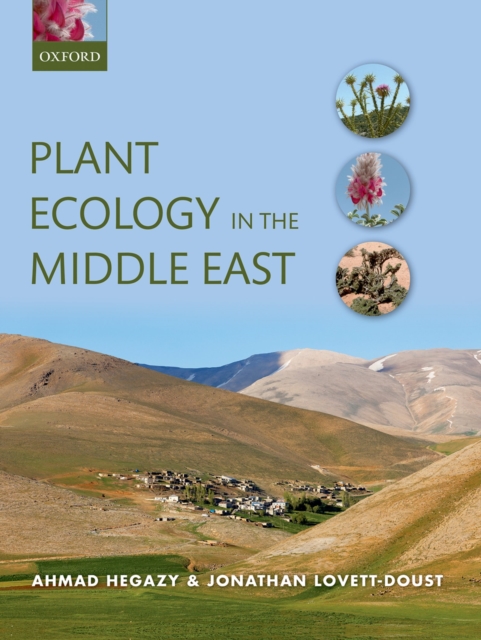
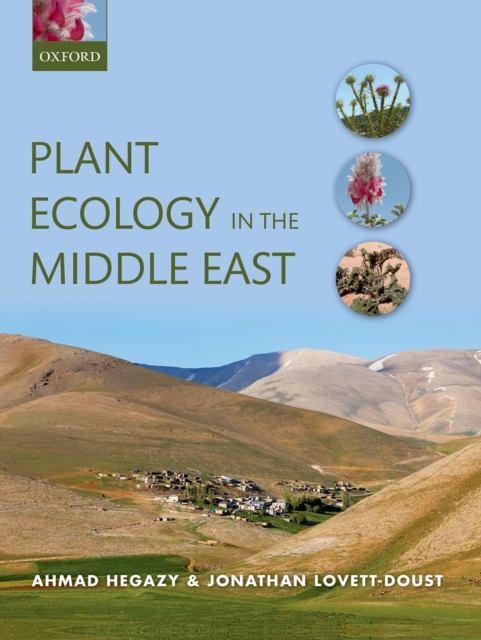
This advanced textbook explores the intriguing flora and plant ecology of the Middle East, framed by a changing desert landscape, global climate change, and the arc of human history.
This advanced textbook explores the intriguing flora and plant ecology of the Middle East, framed by a changing desert landscape, global climate change, and the arc of human history.
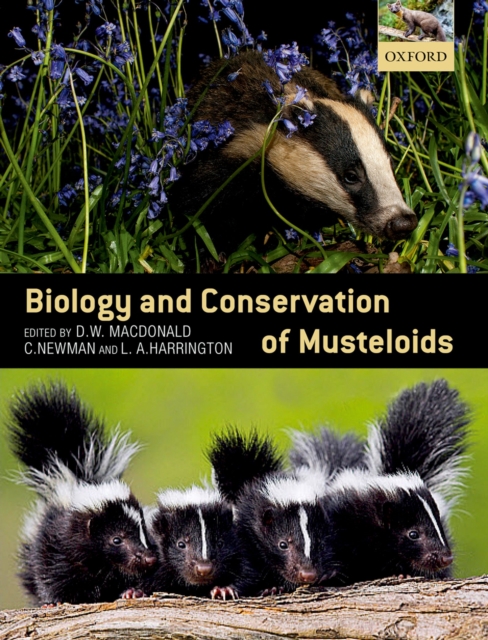
The musteloids are the most diverse super-family among carnivores, ranging from little known, exotic, and highly-endangered species to the popular and familiar, and include a large number of introduced invasives.
This book offers a multidisciplinary analysis of the degradation process of an ecosystem, drawing upon the Mar Menor as a case study to highlight the damage human pressure causes to the environment.