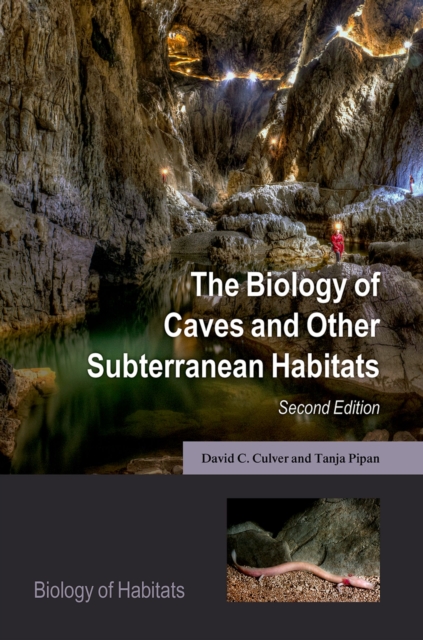
The second edition of this widely cited textbook continues to provide a concise but comprehensive introduction to cave and subterranean biology, describing this fascinating habitat and its biodiversity.
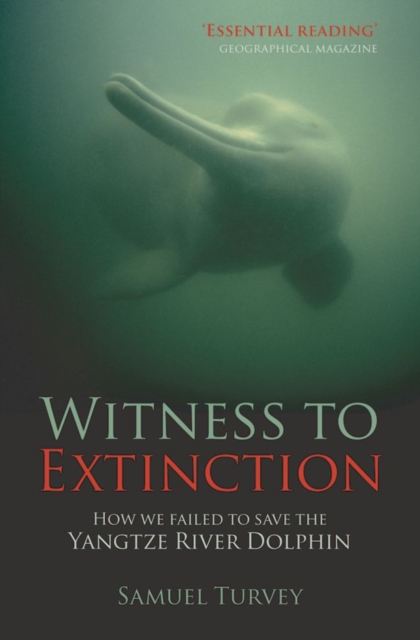
Most people are familiar with the dodo and the dinosaur, but extinction has occurred throughout the history of life, with the result that nearly all the species that have ever existed are now extinct.
Most people are familiar with the dodo and the dinosaur, but extinction has occurred throughout the history of life, with the result that nearly all the species that have ever existed are now extinct.
This authoritative dictionary provides over 9,000 entries on scientific and social aspects of the environment-its key thinkers, treaties, movements, organizations, concepts, and theories.
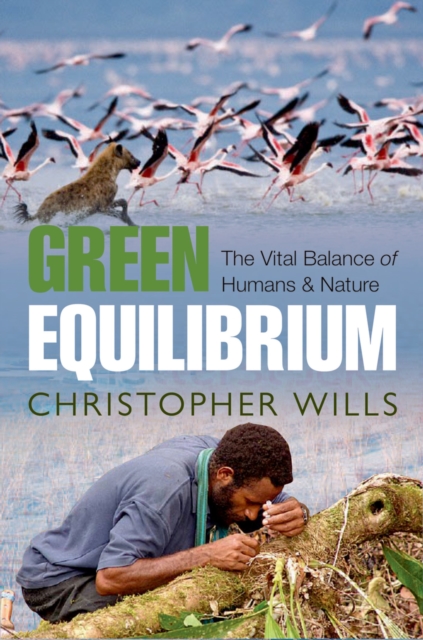
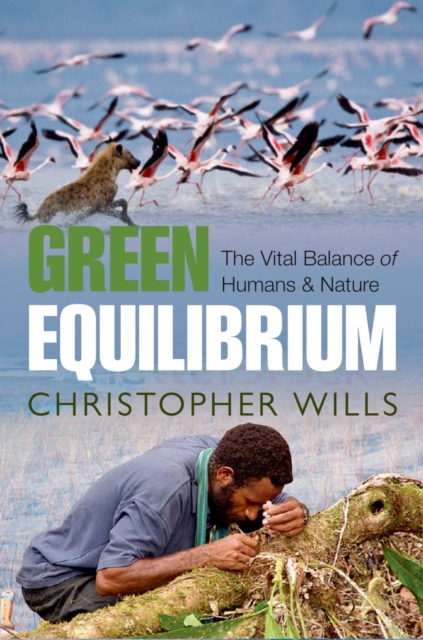
In Green Equilibrium, Christopher Wills explains the rules by which ecosystems maintain a diversity of interdependent species, in particular the balance of predators and prey.
In Green Equilibrium, Christopher Wills explains the rules by which ecosystems maintain a diversity of interdependent species, in particular the balance of predators and prey.
The biological composition and richness of most of the Earth's major ecosystems are being dramatically and irreversibly transformed by anthropogenic activity.
The biological composition and richness of most of the Earth's major ecosystems are being dramatically and irreversibly transformed by anthropogenic activity.
Global wetlands exhibit significant differences in both hydrology and species composition and range from moss-dominated arctic peatlands to seasonally-flooded tropical floodplains.
Animals that must hunt and kill for at least part of their living are inherently interesting to many people and the role that carnivores play in biological communities attract interest from ecologists and conservation biologists.
Animals that must hunt and kill for at least part of their living are inherently interesting to many people and the role that carnivores play in biological communities attract interest from ecologists and conservation biologists.
Global wetlands exhibit significant differences in both hydrology and species composition and range from moss-dominated arctic peatlands to seasonally-flooded tropical floodplains.
Since time immemorial mankind has taken it upon himself to wage war against nature -- against those species of birds and mammals which he believes conflict with his livelihood.
Aboveground-Belowground Linkages provides the most up-to-date and comprehensive synthesis of recent advances in our understanding of the roles that interactions between aboveground and belowground communities play in regulating the structure and function of terrestrial ecosystems, and their responses to global change.
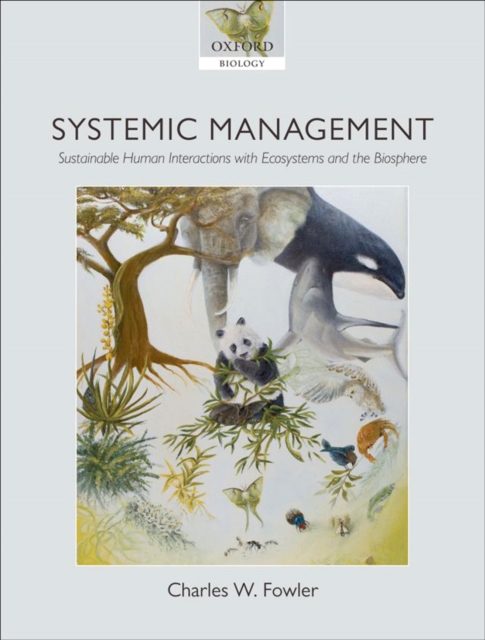
'Systemic management' describes a holistic, objective and universally applicable form of management, providing a framework for addressing environmental challenges such as global warming, emergent diseases, deforestation, overpopulation, the extinction crisis, pollution, over-fishing, and habitat destruction.
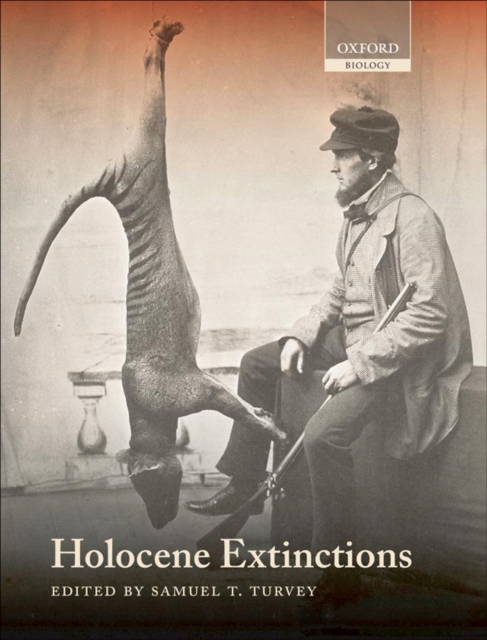
The extent to which human activity has influenced species extinctions during the recent prehistoric past remains controversial due to other factors such as climatic fluctuations and a general lack of data.
The World Trade Organization (WTO) is scarcely ten years old, but even in these early years of its existence it has generated debate, controversy and even outrage.
Biological Diversity provides an up to date, authoritative review of the methods of measuring and assessing biological diversity, together with their application.
Despite the wealth of natural historical research conducted on migration over decades, there is still a dearth of hypothesis-driven studies that fully integrate theory and empirical analyses to understand the causes and consequences of migration, and a taxonomic bias towards birds in much migration research.
Bioinvasions and Globalization synthesises our current knowledge of the ecology and economics of biological invasions, providing an in-depth evaluation of the science and its implications for managing the causes and consequences of one of the most pressing environmental issues facing humanity today.
This practical manual of amphibian ecology and conservation brings together a distinguished, international group of amphibian researchers to provide a state-of-the-art review of the many new and exciting techniques used to study amphibians and to track their conservation status and population trends.
The editors utilize their 50 years of combined experience in professional engagement with the behaviour and ecology of wild felids to draw together a unique network of the world's most respected and knowledgeable experts.
Drawing on the author's personal experiences working across the globe, this book explains why we need to conserve biodiversity, the threats it faces, how we can successfully conserve biodiversity, and some success stories of how we have conserved it.