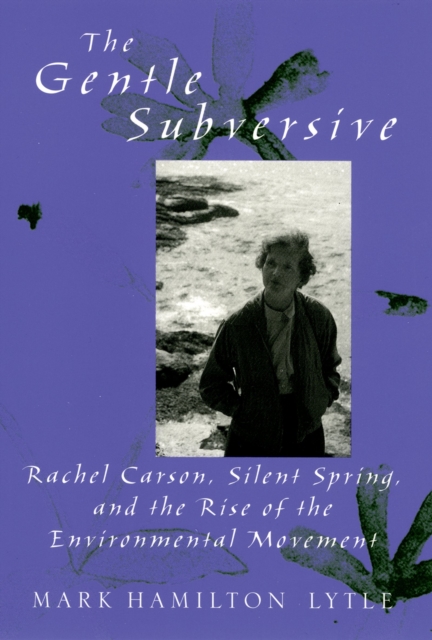
Rachel Carson's Silent Spring antagonized some of the most powerful interests in the nation--including the farm block and the agricultural chemical industry--and helped launch the modern environmental movement.
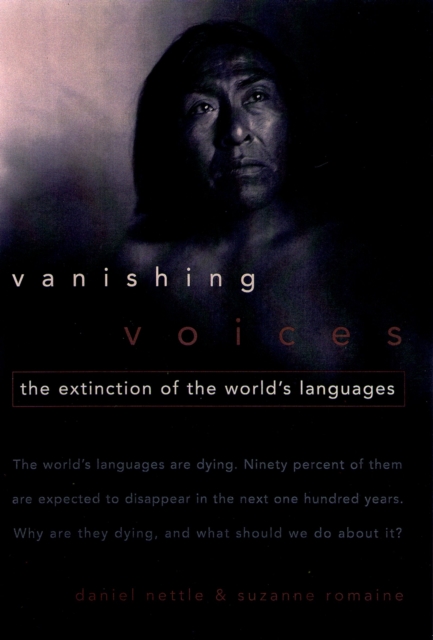
Few people know that nearly 100 native languages once spoken in what is now California are near extinction, or that most of Australia's 250 aboriginal languages have vanished.
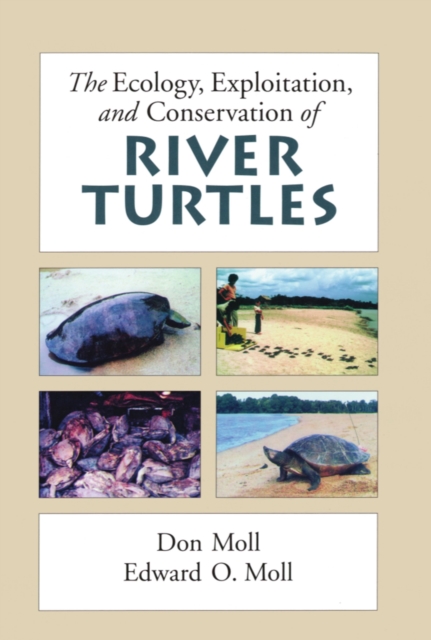
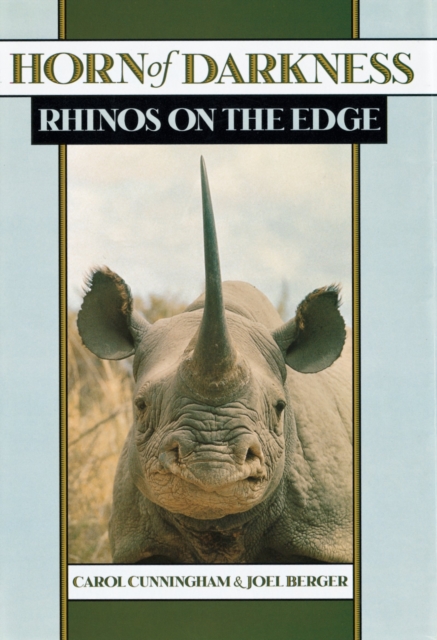
The underlying theme of this book is that a widespread, taxonomically diverse group of animals, important both from ecological and human resource perspectives, remains poorly understood and in delcine, while receiving scant attention from the ecological and conservation community.
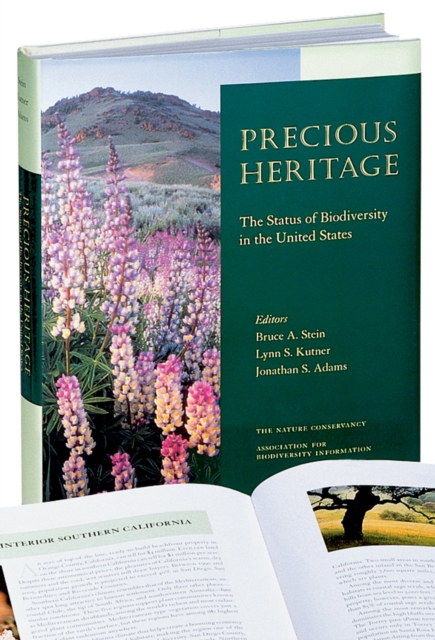
From the lush forests of Appalachia to the frozen tundra of Alaska, and from the tallgrass prairies of the Midwest to the subtropical rainforests of Hawaii, the United States harbors a remarkable array of ecosystems.
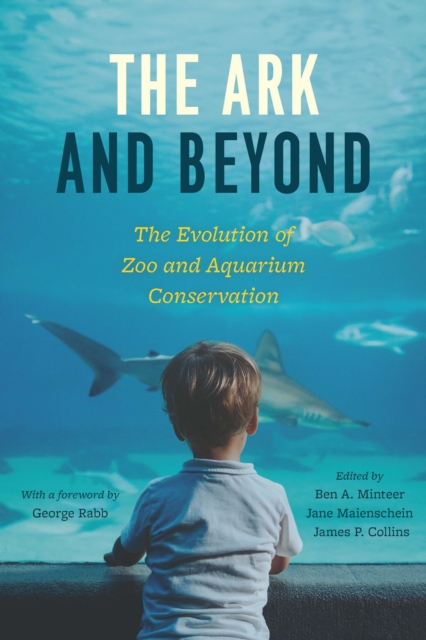
Scores of wild species and ecosystems around the world face a variety of human-caused threats, from habitat destruction and fragmentation to rapid climate change.
A lively and accessible discussion of how architecture functions in a complex world of obligation and responsibility, with a preface offering specific discussion of architecture during and after the COVID-19 pandemic.
A lively and accessible discussion of how architecture functions in a complex world of obligation and responsibility, with a preface offering specific discussion of architecture during and after the COVID-19 pandemic.
The apparent decline in numbers among many species of migratory songbirds is a timely subject in conservation biology, particularly for ornithologists, ecologists, and wildlife managers.
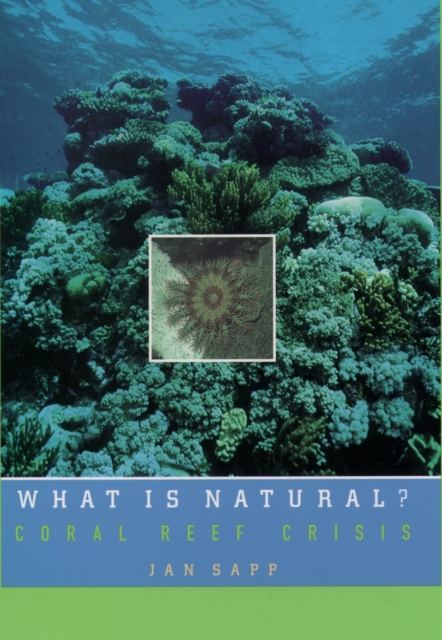
During the late 1960s and 1970s, massive herds of poisonous crown-of-thorns starfish suddenly began to infest coral reef communities around the world, leaving in their wake devastation comparable to a burnt-out rainforest.
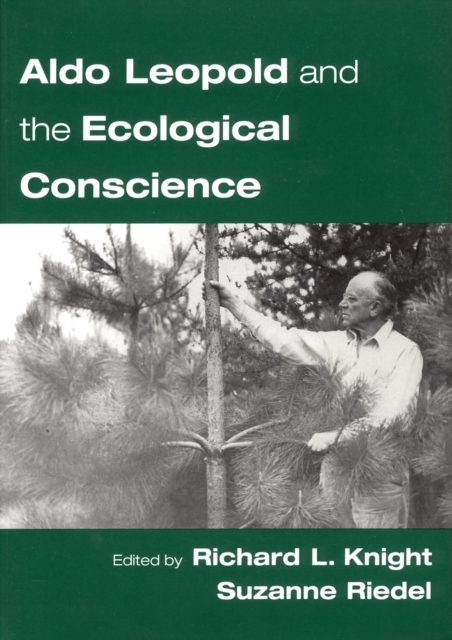
In Aldo Leopold and an Ecological Conscience ecologists, wildlife biologists, and other professional conservationists explore the ecological legacy of Aldo Leopold and his A Sand County Almanac and his contributions to the environmental movement, the philosophy of science, and natural resource management.
This book describes the biodiversity and biogeography of nothern Mexico, documents the biological importance of regional ecosystems and the impacts of human land use on the conservation status of plants and wildlife.
This book offers a powerful response to what Varner calls the "e;two dogmas of environmental ethics"e;--the assumptions that animal rights philosophies and anthropocentric views are each antithetical to sound environmental policy.
Molecular techniques are proving invaluable in determining the phylogenetic status of potentially endangered species, for investigating mechanisms of speciation, and for measuring the genetic structure of populations.
Mono Lake is one of the largest lakes in California, and Californians have been using it, enjoying it, and abusing it since nomadic northern Paiutes began hunting the lake's vast bird populations.
A beautiful, urgent and personal exploration of bogs and the role they must play in saving our planet - for fans of Otherlands and The Last Rainforests of Britain Longlisted for the Wainwright Prize 2025 'A fascinating, impassioned invitation into the hidden mystery of bogs' - OLIVIA LAING, author of The Garden Against Time'Enchanting .
A history of scientific ideas about extinction that explains why we learned to value diversity as a precious resource at the same time as we learned to "e;think catastrophically"e; about extinction.
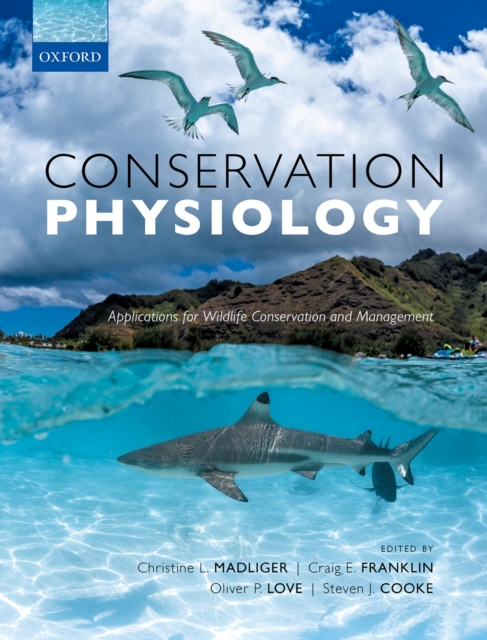
Conservation physiology is a rapidly expanding, multidisciplinary field that utilizes physiological knowledge and tools to understand and solve conservation challenges.
News headlines would often have us believe that conservationists are inevitably locked in conflict with the people who live and work on the lands they seek to protect.
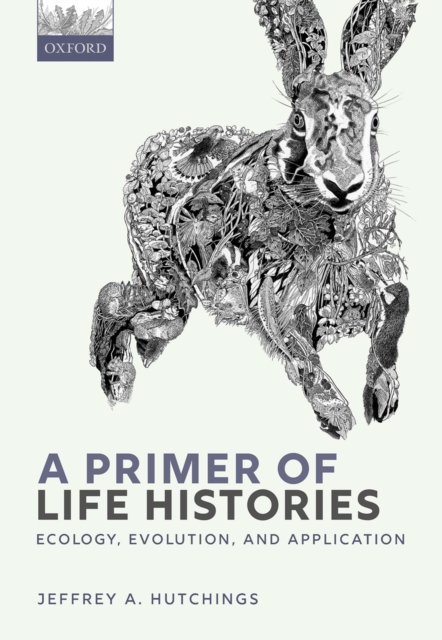
Life histories can be defined as the means by which individuals (or more precisely genotypes) vary their age- or stage-specific expenditures of reproductive effort in response to genetic, phenotypic, and environmental correlates of survival and fecundity.
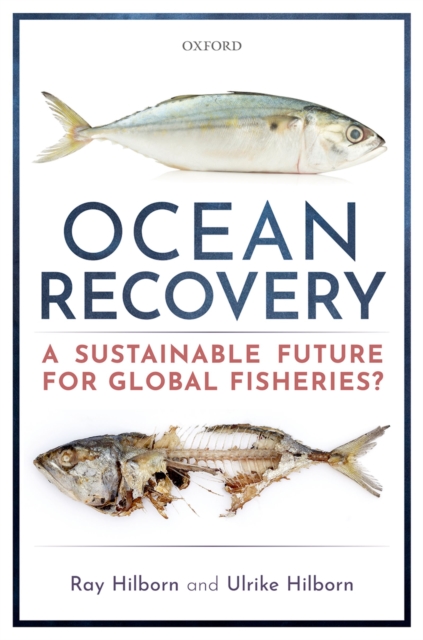
Over the last two decades, the scientific and popular media have been bombarded by gloom and doom stories of the future of fisheries, the status of fish stocks, and the impact of fishing on marine ecosystems.
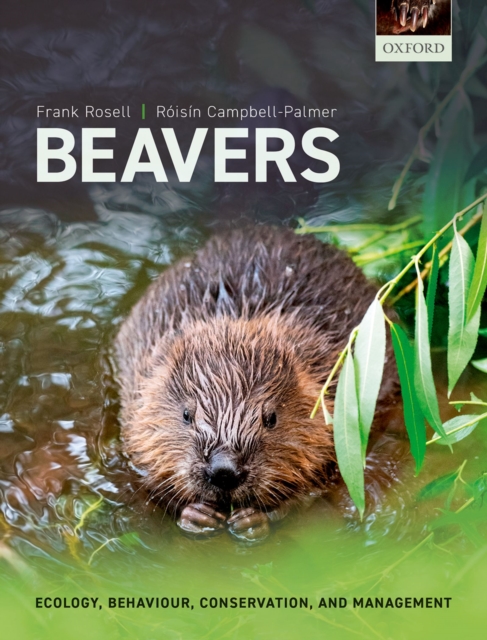
Beavers are represented by two extant species, the Eurasian beaver (Castor fiber) and the North American beaver (Castor canadensis); each has played a significant role in human history and dominated wetland ecology in the northern hemisphere.
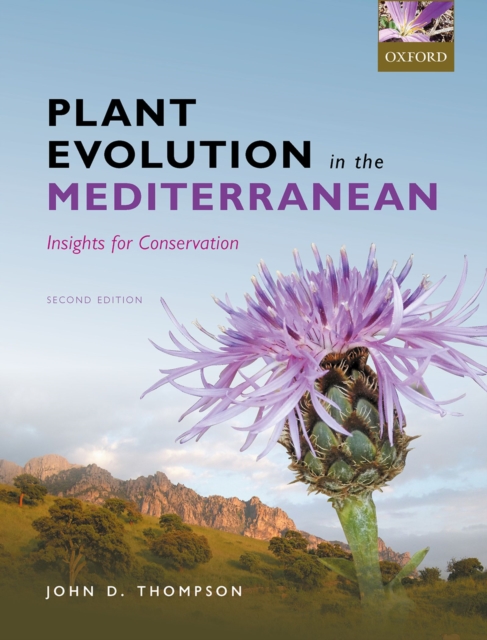
Since the first edition of this book published in 2005, there has been an immense amount of new and fascinating work on the history, ecology, and evolution of the Mediterranean flora.
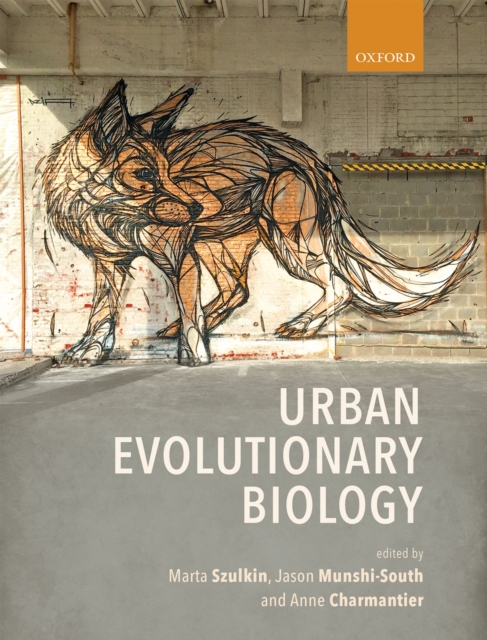
Urban Evolutionary Biology fills an important knowledge gap on wild organismal evolution in the urban environment, whilst offering a novel exploration of the fast-growing new field of evolutionary research.
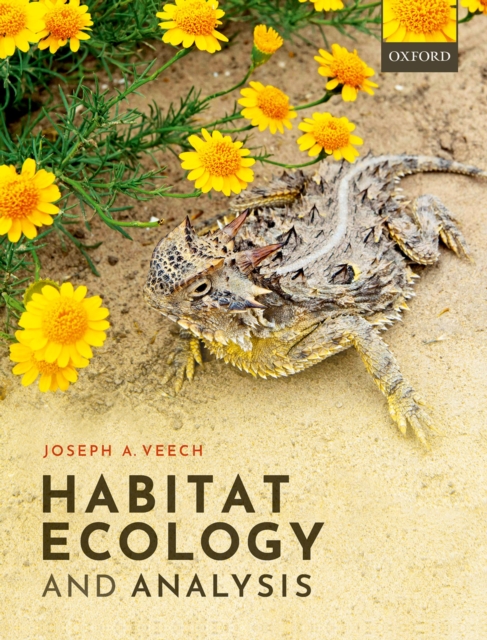
The identification and analysis of the particular habitat needs of a species has always been a central focus of research and applied conservation in both ecology and wildlife biology.
Emerging infectious diseases pose an increasingly serious threat to a number of endangered or sensitive species and are increasingly recognized as one of the major factors driving species extinction.