News headlines would often have us believe that conservationists are inevitably locked in conflict with the people who live and work on the lands they seek to protect.
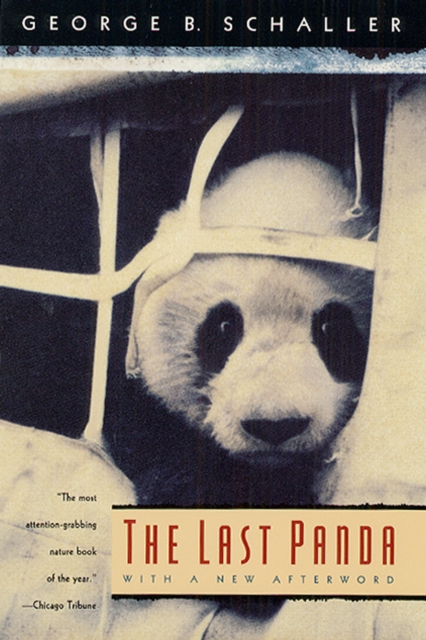
Dependent on a shrinking supply of bamboo, hunted mercilessly for its pelt, and hostage to profiteering schemes once in captivity, the panda is on the brink of extinction.
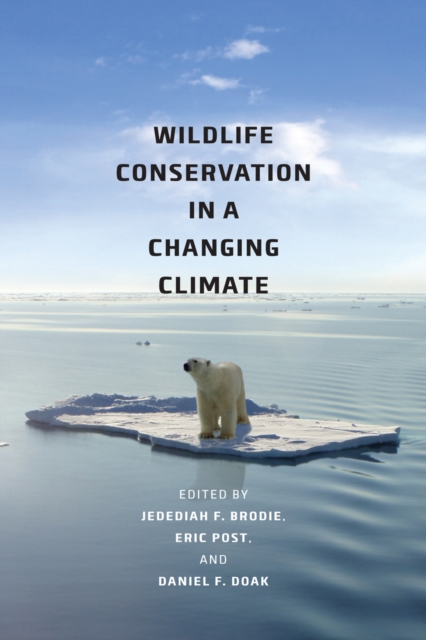
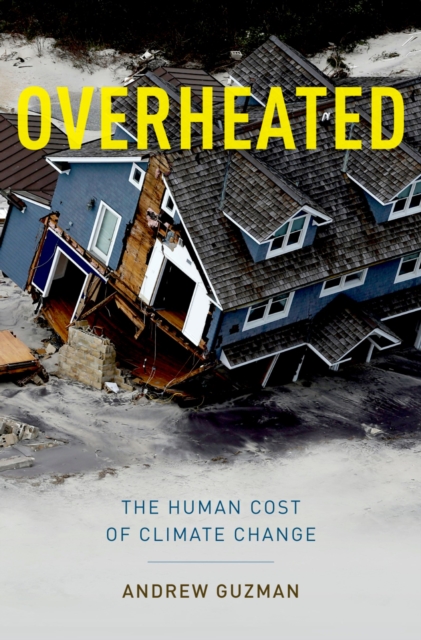
Human-induced climate change is emerging as one of the gravest threats to biodiversity in history, and while a vast amount of literature on the ecological impact of climate change exists, very little has been dedicated to the management of wildlife populations and communities in the wake of unprecedented habitat changes.
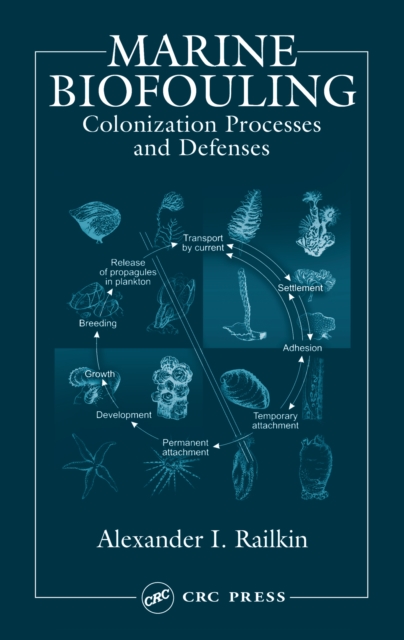
Recent instances of bioinvasion, such as the emergence of the zebra mussel in the American Great Lakes, generated a demand among marine biologists and ecologists for groundbreaking new references that detail how organisms colonize hard substrates, and how to prevent damaging biomass concentrations.
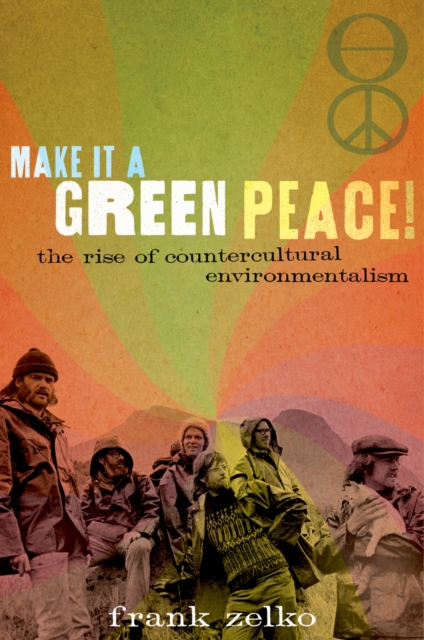
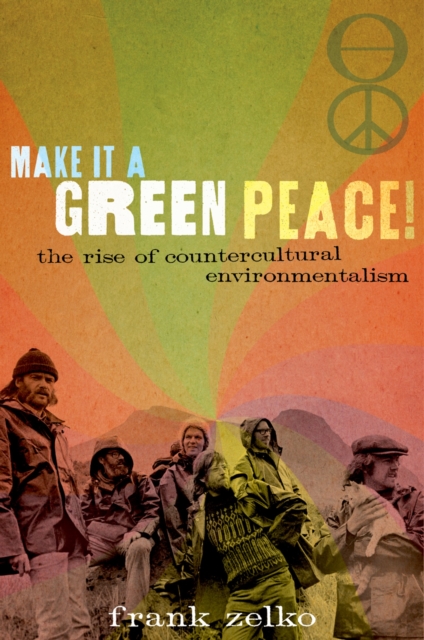
The emergence of Greenpeace in the late 1960s from a loose-knit group of anti-nuclear and anti-whaling activists fundamentally changed the nature of environmentalism--its purpose, philosophy, and tactics--around the world.
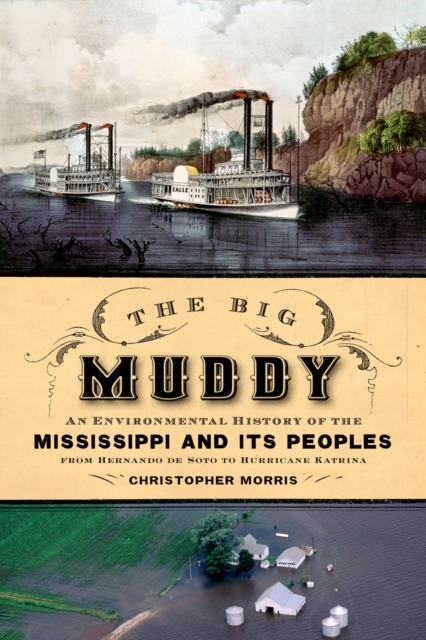
In The Big Muddy, the first long-term environmental history of the Mississippi, Christopher Morris offers a brilliant tour across five centuries as he illuminates the interaction between people and the landscape, from early hunter-gatherer bands to present-day industrial and post-industrial society.
The emergence of Greenpeace in the late 1960s from a loose-knit group of anti-nuclear and anti-whaling activists fundamentally changed the nature of environmentalism--its purpose, philosophy, and tactics--around the world.
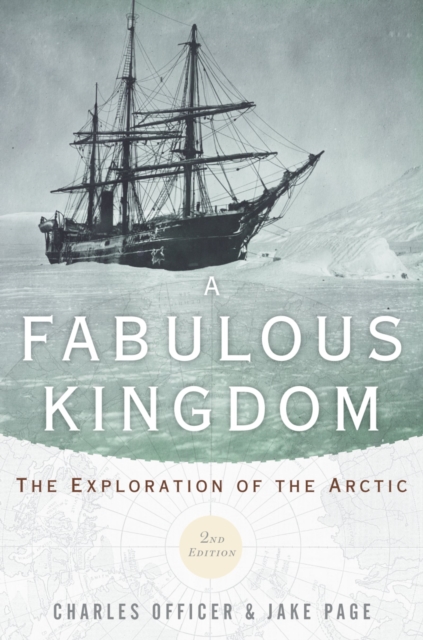
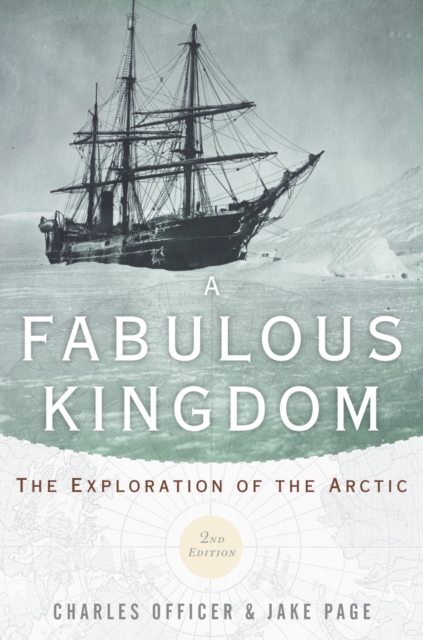
Inconstant and forbidding, the arctic has lured misguided voyagers into the cold for centuries--pushing them beyond the limits of their knowledge, technology, and endurance.
Inconstant and forbidding, the arctic has lured misguided voyagers into the cold for centuries--pushing them beyond the limits of their knowledge, technology, and endurance.
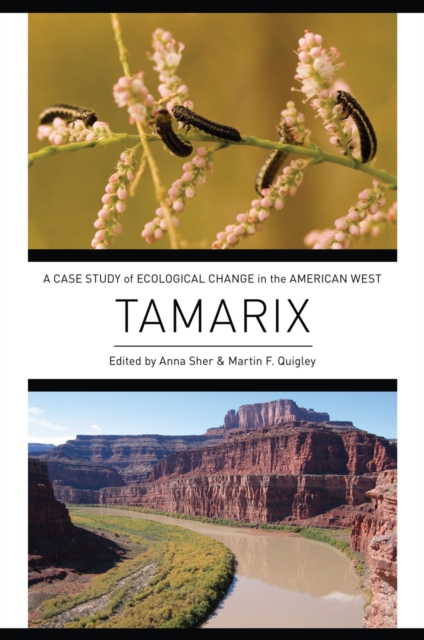
The invasive species Tamarix first attracted the public eye in the 1990's when it was suspected of contributing to widespread drought and wildfires in the Western United States.
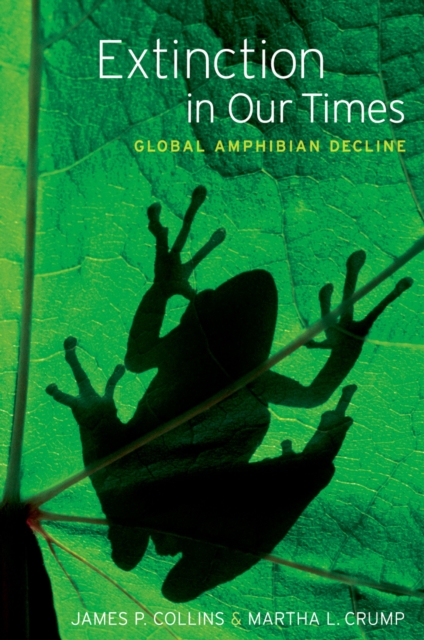
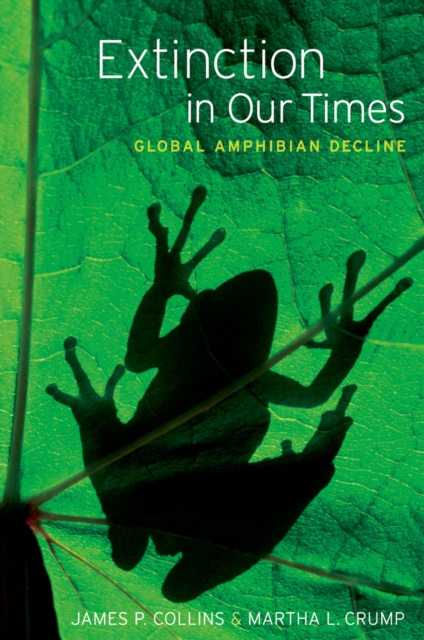
For over 350 million years, thousands of species of amphibians have lived on earth, but since the 1990s they have been disappearing at an alarming rate, in many cases quite suddenly and mysteriously.
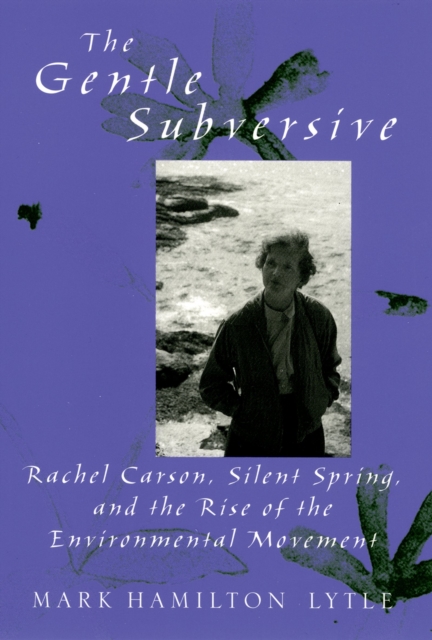
Rachel Carson's Silent Spring antagonized some of the most powerful interests in the nation--including the farm block and the agricultural chemical industry--and helped launch the modern environmental movement.
Over the last decade, the field of plant ecology has significantly developed and expanded, especially in research concerning the herbaceous layer and ground vegetation of forests.
First published in 1949 and praised in The New York Times Book Review as "e;a trenchant book, full of vigor and bite,"e; A Sand County Almanac combines some of the finest nature writing since Thoreau with an outspoken and highly ethical regard for America's relationship to the land.
In The Big Muddy, the first long-term environmental history of the Mississippi, Christopher Morris offers a brilliant tour across five centuries as he illuminates the interaction between people and the landscape, from early hunter-gatherer bands to present-day industrial and post-industrial society.
For over 350 million years, thousands of species of amphibians have lived on earth, but since the 1990s they have been disappearing at an alarming rate, in many cases quite suddenly and mysteriously.
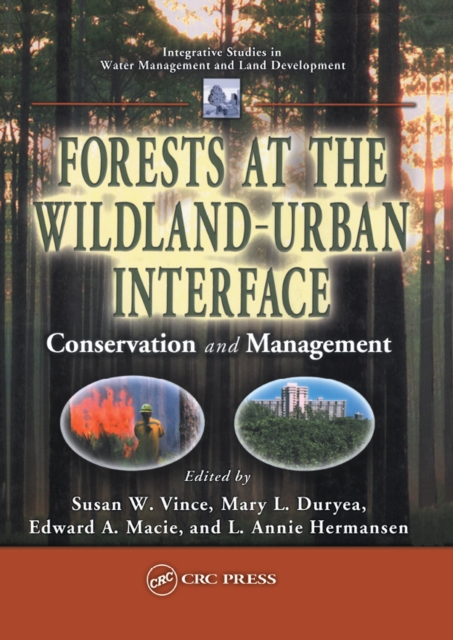
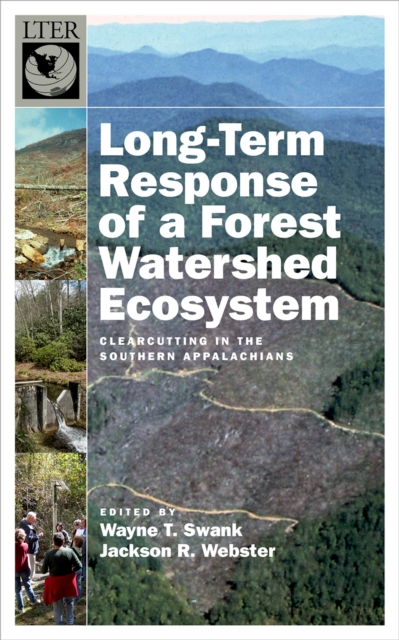
Our North American forests are no longer the wild areas of past centuries; they are an economic and ecological resource undergoing changes from both natural and management disturbances.
This book reviews and analyzes the period (roughly from the 1950s to the present) when the "e;environment"e; became an issue as important as economic growth, or war and peace; to assess the current situation, and begin planning for the challenges that lie ahead.
Rachel Carson's Silent Spring antagonized some of the most powerful interests in the nation--including the farm block and the agricultural chemical industry--and helped launch the modern environmental movement.
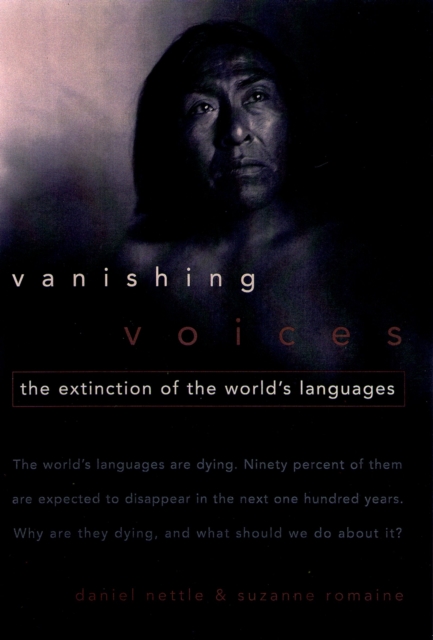
Few people know that nearly 100 native languages once spoken in what is now California are near extinction, or that most of Australia's 250 aboriginal languages have vanished.
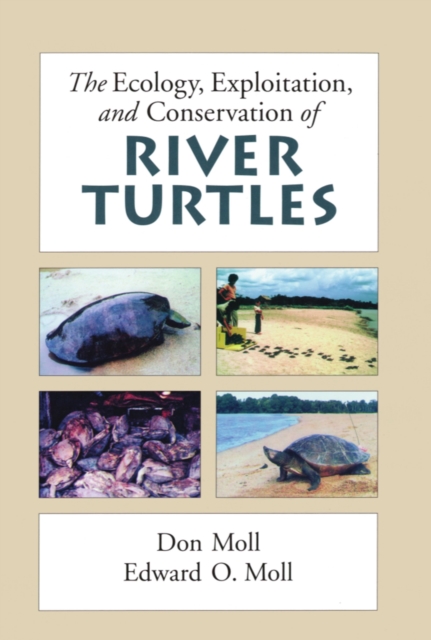
The underlying theme of this book is that a widespread, taxonomically diverse group of animals, important both from ecological and human resource perspectives, remains poorly understood and in delcine, while receiving scant attention from the ecological and conservation community.
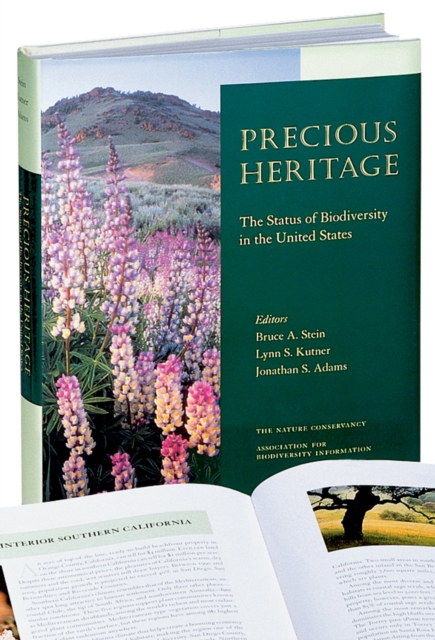
From the lush forests of Appalachia to the frozen tundra of Alaska, and from the tallgrass prairies of the Midwest to the subtropical rainforests of Hawaii, the United States harbors a remarkable array of ecosystems.