This book provides a richly interdisciplinary assessment of the thought and work of Bryan Norton, one of most innovative and influential environmental philosophers of the past thirty years.
By the turn of the millennium, it had become painfully apparent that the United States had made some serious misjudgments in its interactions with the natural world.
This book sheds light on the roots of sustainability in the Iberian Peninsula that lie in the interrelations between shipbuilding and forestry from the 14th to the 19th centuries, combining various geographical scales (local, regional and national) and different timespans (short-term and long-term studies).
This book discusses the Lagoa Santa Karst, which has been internationally known since the pioneering studies of the Danish naturalist Peter Lund in the early 1800s.
In this stunning memoir, beloved internationally acclaimed earth advocate chronicles her journey to reconnect with the earth, offering a model for how we all can nurture the wild around and inside ourselves.
This book provides keys to decrypt current political debates on the environment in light of the theories that support them, and provides tools to better understand and manage environmental conflicts and promote environmentally friendly behaviour.
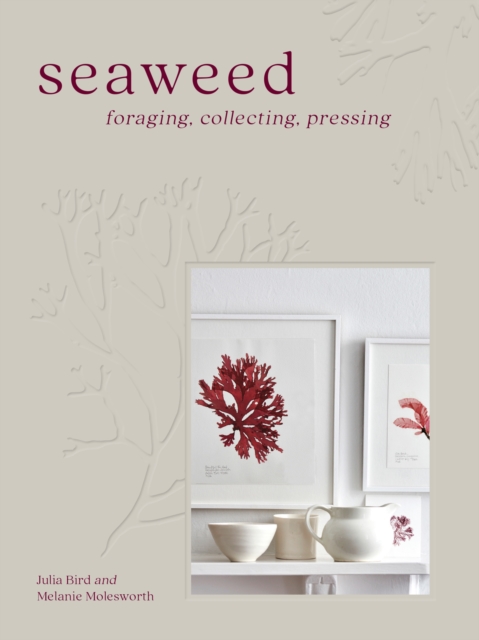
WINNER OF THE BEST MIXED MEDIA BOOK AWARD AT THE CREATIVE BOOK AWARDS 2024A gorgeous guide to foraging, pressing and using seaweeds for a wealth of home creative projects.
This, the most recent contribution to the Tetrahedron Organic Chemistry series, provides an integrated evaluation of the diversity of natural products in relation to biodiversity.
It is well known that infrastructure development projects can boost the economy and reduce the cost of trade in both developing and developed economies, however, infrastructure projects can also cause biodiversity loss.
This volume includes sources relating to a range of social and cultural contexts, including the proliferation of natural history crazes (ferns, aquaria, orchids, etc); debates about the social and environmental impacts of changing land use in town and country; debates about demographics, population, and resources inspired by Thomas Malthus; attempts to preserve landscapes (e.
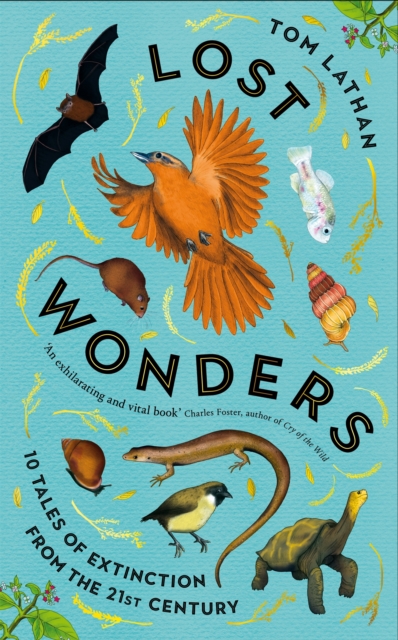
In Lost Wonders Tom Lathan tells ten powerful stories of species that have lived, died out and been declared extinct since the turn of the twenty-first century.
This is the first book to bring together the work of a modern motion picture film laboratory together with the specialist techniques for preservation and restoration of archival film.
In the first decades of the twentieth century, fish in the Great Lakes and Puget Sound, seals in the North Pacific, and birds across North America faced a common threat: over harvesting that threatened extinction for many species.
The second edition of Mixed Severity Fires: Nature's Phoenix focuses on wildfire as a keystone ecological process that has shaped plant and animal communities for over 400 million years.
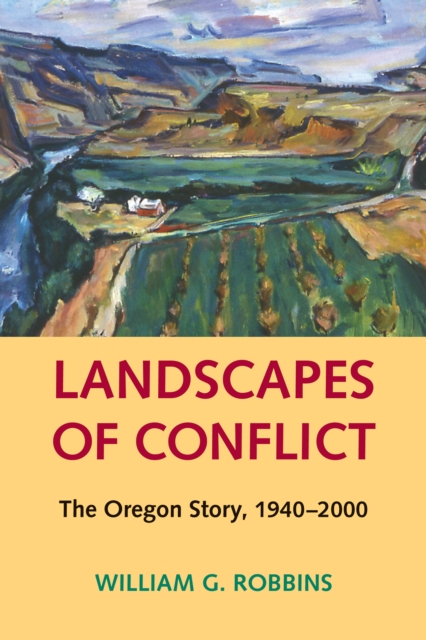
Post-World War II Oregon was a place of optimism and growth, a spectacular natural region from ocean to high desert that seemingly provided opportunity in abundance.
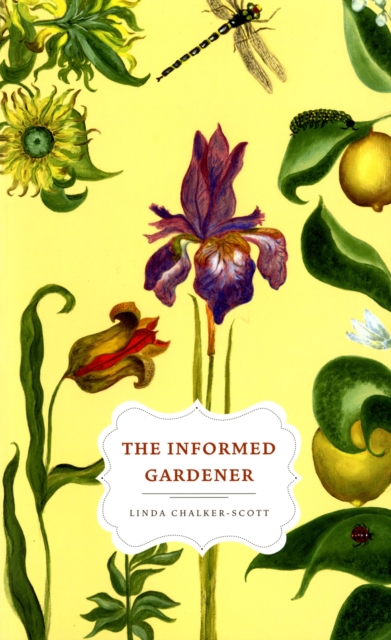
Winner of the Best Book Award in the 2009 Garden Writers Association Media AwardsNamed an "e;Outstanding Title"e; in University Press Books for Public and Secondary School Libraries, 2009In this introduction to sustainable landscaping practices, Linda Chalker-Scott addresses the most common myths and misconceptions that plague home gardeners and horticultural professionals.
Approaching the contributions of a world-wide sector of scientific institutions to addressing the extinction crisis, Botanical Gardens and Their Role in Plant Conservation brings together a diversity of perspectives.
Approaching the contributions of a world-wide sector of scientific institutions to addressing the extinction crisis, Botanical Gardens and Their Role in Plant Conservation brings together a diversity of perspectives.
Approaching the contributions of a world-wide sector of scientific institutions to addressing the extinction crisis, Botanical Gardens and Their Role in Plant Conservation brings together a diversity of perspectives.
All life on Earth has the right to exist, but as we teeter on the verge of a sixth extinction this book discusses why biodiversity matters and why we should care if species go extinct.
Das stille Nebeneinander von Zeit- und Umweltgeschichte hat sich in den letzten Jahren in Richtung eines beredten Austauschs bis hin zu punktueller Kooperation gewandelt.
Redefining Diversity and Dynamics of Natural Resources Management in Southeast Asia, Volumes 1-4 brings together scientific research and policy issues across various topographical areas in Asia to provide a comprehensive overview of the issues facing the region.
Although their significance often goes unnoticed in our day-to-day lives, insects are diverse creatures that play an indispensable role in our ecosystems.
Marine mammals attract human interest - sometimes this interest is benign or positive - whale watching, conservation programmes for whales, seals, otters, and efforts to clear beaches of marine debris are seen as proactive steps to support these animals.