This book covers biodiversity conservation under special consideration of the challenges in the global south with particular attention being paid to consider the existing conservation challenges in relation to the study area in Ethiopia.
This book brings together chapters related to sustainable utilization of biological resources, including in situ and ex situ conservation of rare, endangered, and threatened plants.
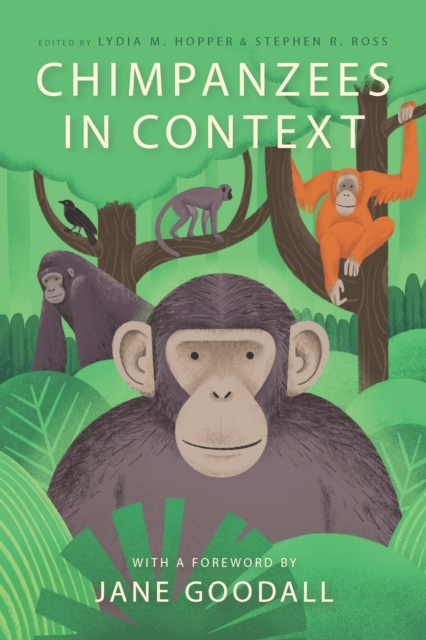
The study of the chimpanzee, one of the human species' closest relatives, has led scientists to exciting discoveries about evolution, behavior, and cognition over the past half century.
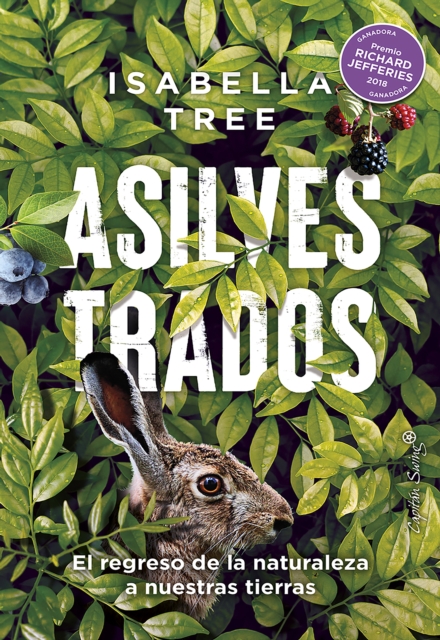
En 'Asilvestración' Isabella Tree cuenta la historia del "experimento Knepp", un proyecto pionero de rewilding en West Sussex que utiliza animales de pastoreo en libertad para crear nuevos hábitats para la fauna.
This book constitutes a novel contribution, combining recent theoretical developments and empirical contributions, as well as the recent and latest trends and challenges on the issue of Forgotten Spaces.
This book examines the impacts that the COVID-19 lockdown has had on environmental and ecological health, with a focus on coastal ecosystems in the Lower Gangetic Delta.
"e;A beautifully descriptive, lyrical immersion in the natural world that's coupled with a detective story, reminiscent of Rachel Carson's Silent Spring.
"e;A beautifully descriptive, lyrical immersion in the natural world that's coupled with a detective story, reminiscent of Rachel Carson's Silent Spring.
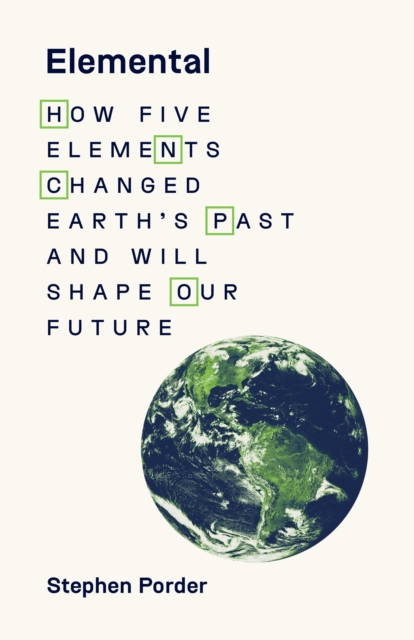
An ecologist explores how life itself shapes Earth using the elemental constituents we all shareIt is rare for life to change Earth, yet three organisms have profoundly transformed our planet over the long course of its history.
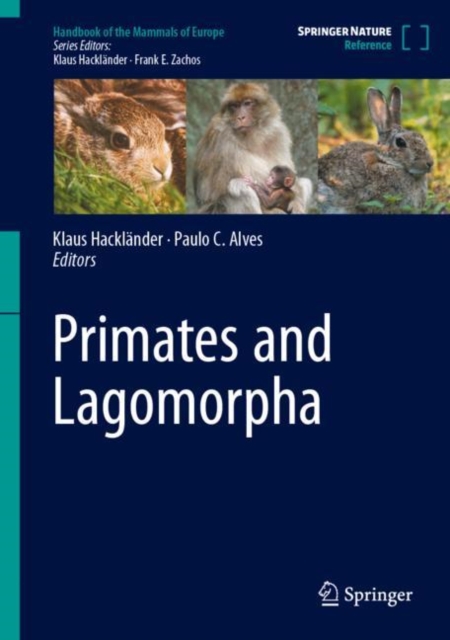
This volume provides comprehensive overviews of the primate's and each lagomorph species' biology including palaeontology, physiology, genetics, reproduction and development, ecology, habitat, diet, mortality and age determination.
This gripping portrait of environmental politics chronicles the devastating destruction of the Philippine countryside and reveals how ordinary men and women are fighting back.
This volume provides comprehensive overviews of the primate's and each lagomorph species' biology including palaeontology, physiology, genetics, reproduction and development, ecology, habitat, diet, mortality and age determination.
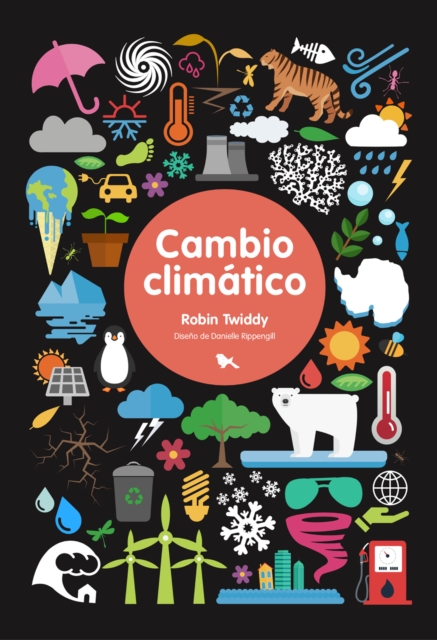
Explora la ciencia que hay detrás del Cambio Climático mediante un libro colorido y atractivo, que utiliza infografías para entregar información muy necesaria para entender la vida en el planeta.
An ecologist explores how life itself shapes Earth using the elemental constituents we all shareIt is rare for life to change Earth, yet three organisms have profoundly transformed our planet over the long course of its history.
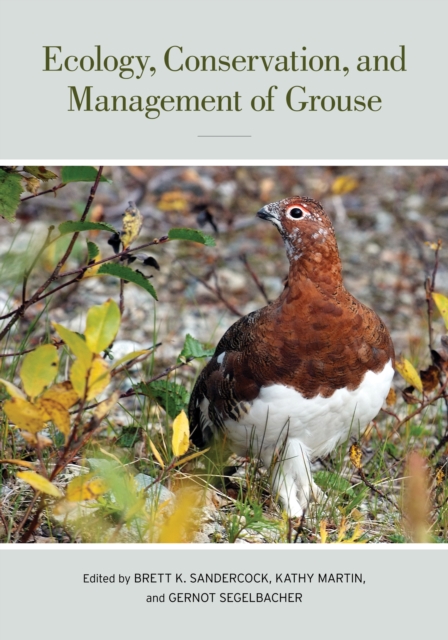
Grouse-an ecologically important group of birds that include capercaillie, prairie chickens, and ptarmigan-are distributed throughout the forests, grasslands, and tundra of Europe, Asia, and North America.
Thoroughly researched and finely crafted, After the Grizzly traces the history of endangered species and habitat in California, from the time of the Gold Rush to the present.
This pioneering volume provides a blueprint for managing the challenges of ocean conservation using marine historical ecology-an interdisciplinary area of study that is helping society to gain a more in-depth understanding of past human-environmental interactions in coastal and marine ecosystems and of the ecological and social outcomes associated with these interactions.
Over the course of a year, in just one national forest in California, raids on illegal marijuana growing operations yielded 19,710 pounds of infrastructure, 138 ounces of restricted poisons, 4,595 pounds of fertilizer, 12 gallons of common pesticides, 5.
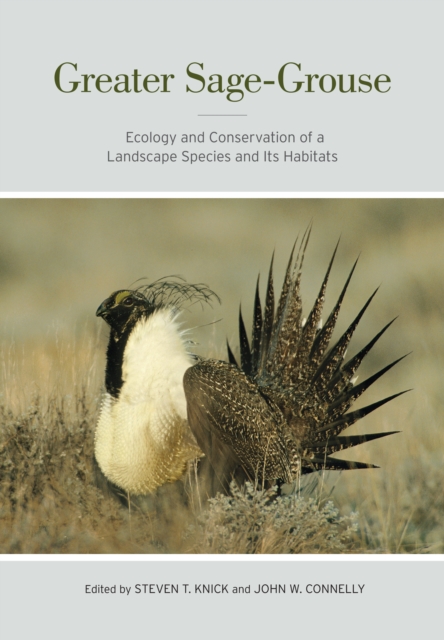
Admired for its elaborate breeding displays and treasured as a game bird, the Greater Sage-Grouse is a charismatic symbol of the broad open spaces in western North America.
Written for anyone interested in green development-including policy makers, architects, developers, builders, and homeowners-this practical guide focuses on the central question of how to conserve biodiversity in neighborhoods and to minimize development impacts on surrounding habitats.
The best-selling conservation classic, completely expanded, revised, and updatedDavid Morine was a briefcase conservationist specializing in human nature.
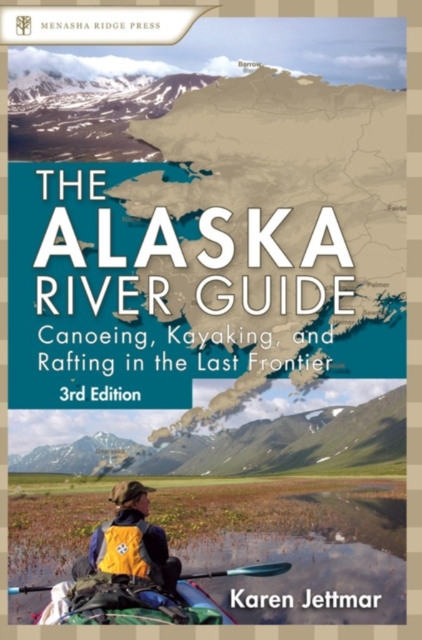
The rich tapestry of Alaska is threaded together by 365,000 miles of waterways, from cascading mountain streams to meandering valley rivers, from the meltwaters of glaciers to broad rivers that empty into the sea.
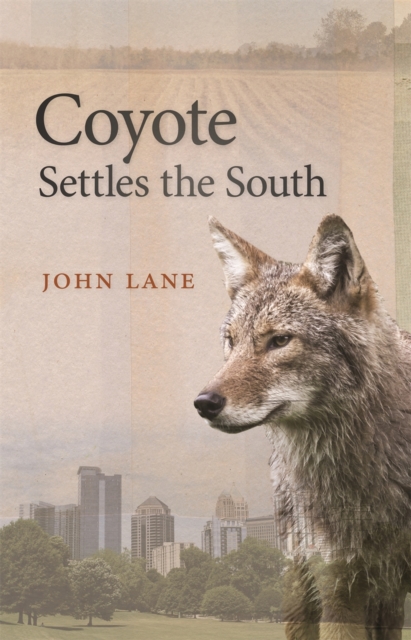
One night, poet and environmental writer John Lane tuned in to a sound from behind his house that he had never heard before: the nearby eerie and captivating howls of coyotes.
In the continuing debate of how to confront the challenges of climate change, individuals, advocacy groups, and political parties in the United States offer arguments and solutions based on economic and political viewpoints.