David Lowenthal was well known for his historical and geographical contribution to conservation and environmental thinking, his understanding and appreciation of landscape, and his critical public and scholarly contribution to heritage debates as a founder of heritage studies.
A marvelously illustrated look at the most deadly predators on the planetTooth and Claw presents the world's top predators as you have never seen them before, from big cats and wild dogs to sharks, reptiles, and killer whales.
This book provides, for the first time, a comprehensive overview of the fundamental roles that ecological interactions play in extinction processes, bringing to light an underground of hidden pathways leading to the same dark place: biodiversity loss.
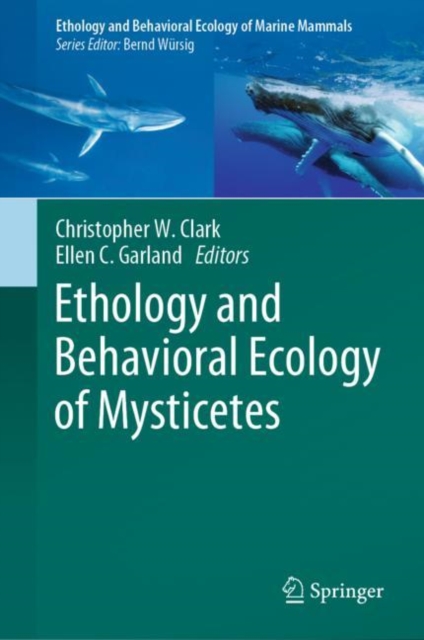
In this book, an international team of leading marine mammal scientists, with a remarkably diverse set of backgrounds and areas of expertise, lead you through a synthesis of current knowledge on baleen whales.
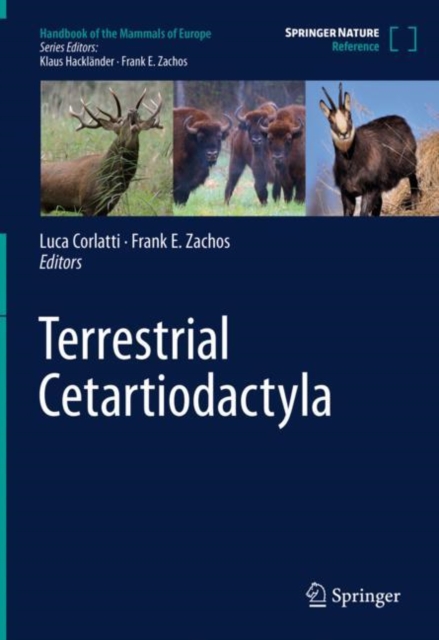
This volume provides comprehensive overviews of each terrestrial cetartiodactyl species' biology including palaeontology, physiology, genetics, reproduction and development, ecology, habitat and diet.
In einer Zeit, in der das Wohl unserer Haustiere immer mehr in den Fokus rückt, bietet Markus Vogels Buch "Ganzheitliche Therapien für vierbeinige Freunde" einen fundierten Einblick in die Welt der Alternativmedizin für Tiere.
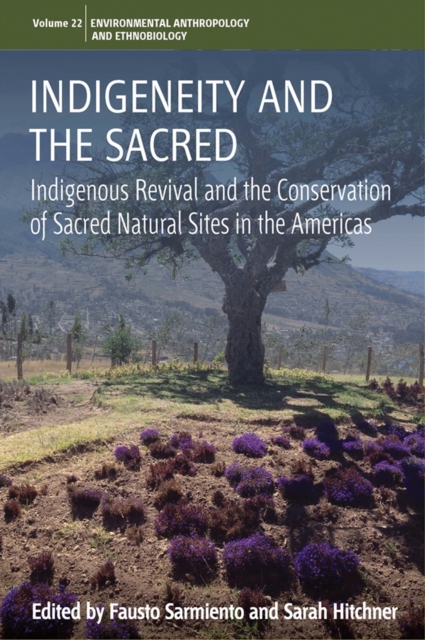
This book presents current research in the political ecology of indigenous revival and its role in nature conservation in critical areas in the Americas.
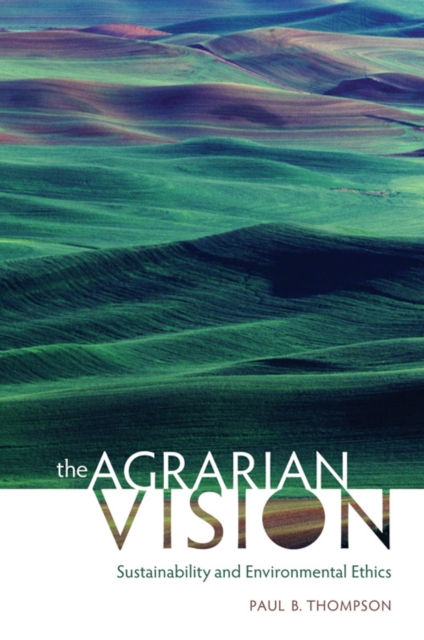
As industry and technology proliferate in modern society, sustainability has jumped to the forefront of contemporary political and environmental discussions.
Recovering from a factory accident that nearly claimed his eyesight, a young John Muir ventured into the foothills of California's Sierra Nevada Mountains.
Although it is often simplified as an "e;ethnic conflict"e; in popular media, the current crisis in Darfur can only be superficially defined across ethnic lines.
This book provides an analysis of the recent governance of the Amazon in Brazil, Peru, Bolivia and Colombia with a particular focus on deforestation processes, demonstrating that current policies and political and socioeconomic dynamics in the four countries are risking the forest's resilience.
This book provides an analysis of the recent governance of the Amazon in Brazil, Peru, Bolivia and Colombia with a particular focus on deforestation processes, demonstrating that current policies and political and socioeconomic dynamics in the four countries are risking the forest's resilience.
This book addresses the multidisciplinary challenges in biodiversity conservation with a focus on wildlife crime and how forensic tools can be applied to protect species and preserve ecosystems.
The dependence of present farming on artificial input of "e;chemical fertilizers"e; has caused numerous ecological tribulations associated with global warming and soil contamination.
A presentation of 491 popular orchid species with 13 varieties and 3 natural hybrids in 51 genera with names beginning with A to E carefully detailed with beautiful photographs and concise descriptions of the plants, their distribution and habitats by a well-known author and photographer.
This book explains several basic concepts of forests and forestry research like social distancing of trees, solitary trees, green infrastructure of trees including typical forest stands like pocket forests, forgotten forests, community forests, and social forestry from one forest stand to another scattered in the districts of West Bengal.
Carrion, or dead animal matter, is an inherent component of aquatic and terrestrial ecosystems worldwide, and is exploited by a wide diversity of organisms from different trophic levels, including microbes, arthropods and vertebrates.
This book presents an overview study about plant biogeography and vegetation of the high mountains of Central and South-West Asia, by a group of specialists familiar with its area and plant growth and ecology.
Although the earth has been around for millions of years, humans have only been seriously interested in protecting and preserving the environment for less than 200 years and the terms conservationism and environmentalism are little more than 100 years old.
The rapid thriving of industries, conversion of agricultural land to residential areas, habitat destruction, deforestation and use of recalcitrant synthetic substances enhanced the rate of degradation of the environment.
The population of the Persian leopard (Panthera pardus saxicolor) has drastically declined; this Asian leopard subspecies has disappeared from some parts of its former range.
How the science of ecology is changing to meet the daunting challenges of environmental sustainabilityOur species has transitioned from being one among millions on Earth to the species that is single-handedly transforming the entire planet to suit its own needs.
Crate presents the first cultural ecological study of a Siberian people: the Viliui Sakha, contemporary horse and cattle agropastoralists in northeastern Siberia.
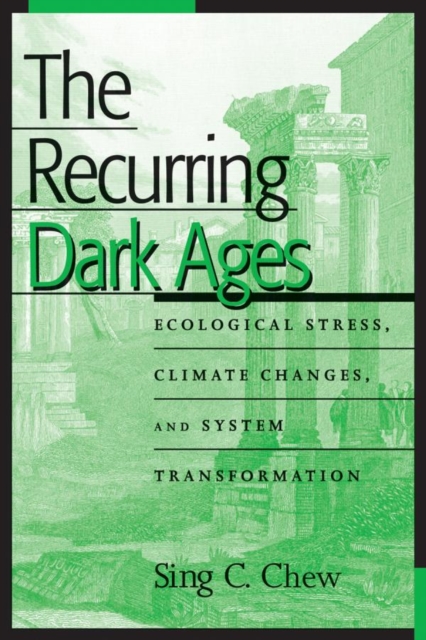
In this modern era of global environmental crisis, Sing Chew provides a convincing analysis of the recurring human and environmental crises identified as Dark Ages.
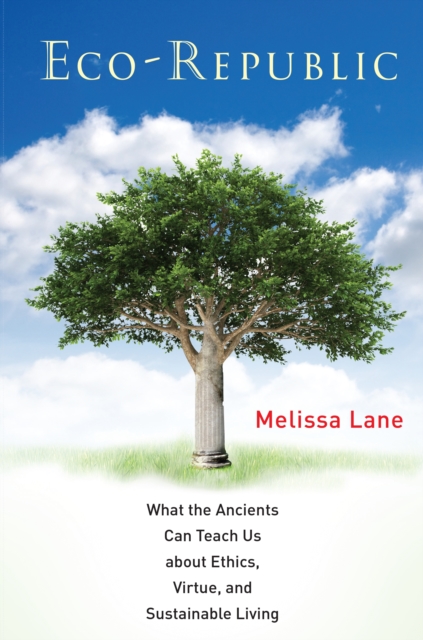
Ancient lessons for sustainable citizenshipAn ecologically sustainable society cannot be achieved without citizens who possess the virtues and values that will foster it, and who believe that individual actions can indeed make a difference.
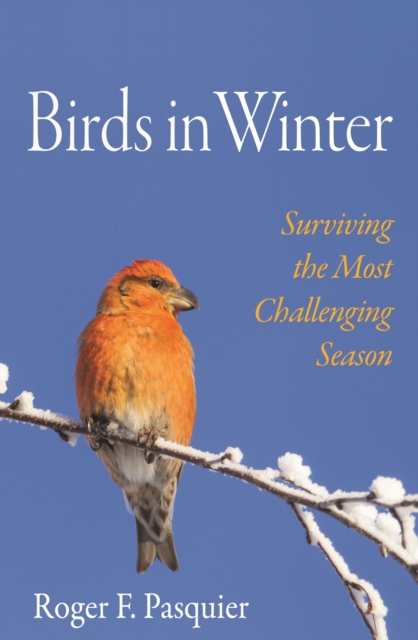
How birds have evolved and adapted to survive winterBirds in Winter is the first book devoted to the ecology and behavior of birds during this most challenging season.