A guide to creating community-based art installations using green waste, invasive species and natural materials Disposing of unwanted natural materials can be expensive and time-consuming, or it can present a tremendous opportunity for creating collaborative eco-art.
A vibrant, growing movement of radical protest is sweeping North America in opposition to high-stakes capitalism and the appalling environmental desecration that accompanies it.
Choice Outstanding Book African American intellectual thought has long provided a touchstone for national politics and civil rights, but, as Kimberly Smith reveals, it also has much to say about our relationship to nature.
After 1945, those responsible for conservation in Germany resumed their work with a relatively high degree of continuity as far as laws and personnel were concerned.
Although suburb-building created major environmental problems, Christopher Sellers demonstrates that the environmental movement originated within suburbs not just in response to unchecked urban sprawl.
The book uses a multi-disciplinary approach to address lessons learned and challenges encountered over the years in different ecological, economic, political and cultural contexts.
This book relates one of the most representative species of Patagonian wildlife, the guanaco, to human societies across time, and explores how that relationship has changed over time due to different land uses and productive interests.
This book presents a novel examination of Marine Protected Areas within a security context, bridging science, policy, and geopolitics, and addressing the often-under-emphasized aspect of environmental justice.
To be a well-informed citizen of Planet Earth, you need to read Elizabeth Kolbert ROLLING STONE An essential voice HELEN MACDONALDUrgent and inspiring lessons from the frontlines of the climate catastrophe by one of our most important and influential environmental writers.
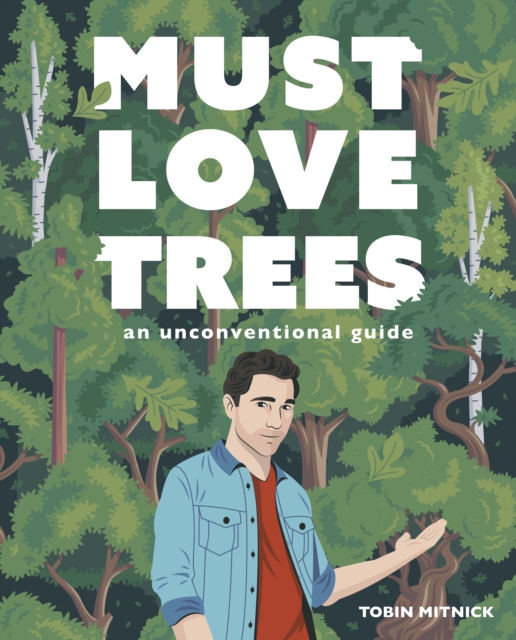
Tobin Mitnick, JewsLoveTrees creator and shameless tree lover, leads you, the tree-curious, through the wonderful world of North American trees with fact, opinion, and humor.
Now forty years old, the Endangered Species Act (ESA) remains a landmark act in conservation and one of the world's most comprehensive laws designed to prevent species extinctions and support recovery efforts for imperiled species.
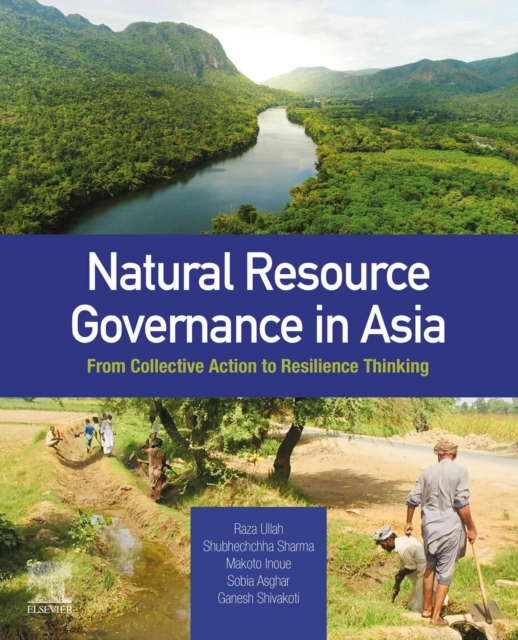
Natural Resource Governance in Asia: From Collective Action to Resilience Thinking identifies key leverage points where interventions can be made surrounding current and future impacts of ongoing environmental and sociopolitical challenges.
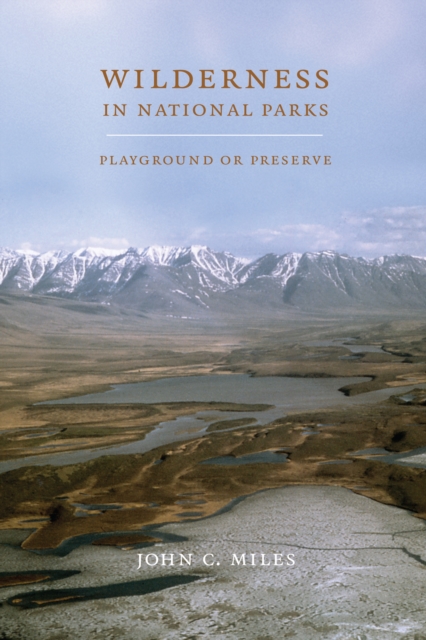
Wilderness in National Parks casts light on the complicated relationship between the National Park Service and its policy goals of wilderness preservation and recreation.
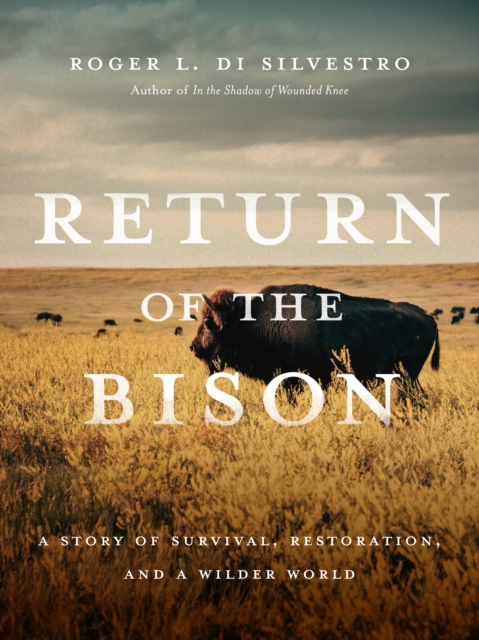
Offers a hopeful view of threatened species, grounded in history and scienceAddresses current conservation trends: wildlife corridors, prairie restoration, cultural restoration for the American Indian communityReturn of the Bison is the story of how this symbol of the American West was once almost lost to history and of the continuing journey to bring bison back from the brink.
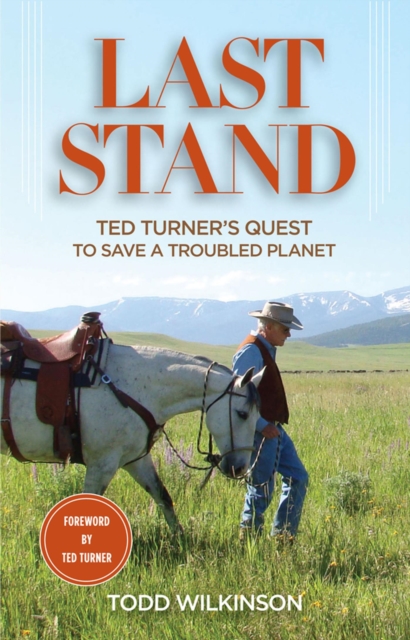
Entrepreneur and media mogul Ted Turner has commanded global attention for his dramatic personality, his founding of CNN, his marriage to Jane Fonda, and his companys merger with Time Warner.
Scandinavia is best known for the cooperative model of a mix of government, economy and innovative policies, encompassing the five Nordic models well-known throughout the Sweden, Norway, Denmark and Iceland.
The existential environmental crisis prompted the United Nations to formulate the Millennium Development Goals at the turn of the 21st century in order to embark on an era of sustainable development.