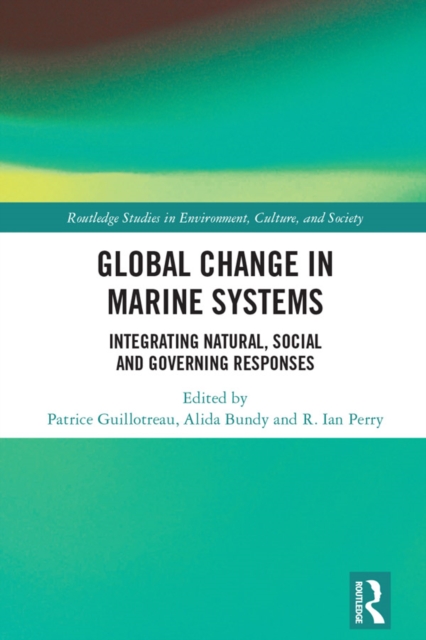
Global Change in Marine Systems analyses and appraises societal and governing responses to change affecting marine social and ecological systems around the world.
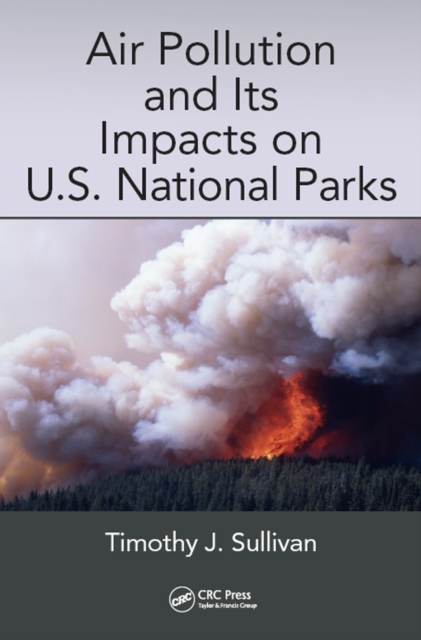
A variety of air pollutants are emitted into the atmosphere from human-caused and natural emissions sources throughout the United States and elsewhere.
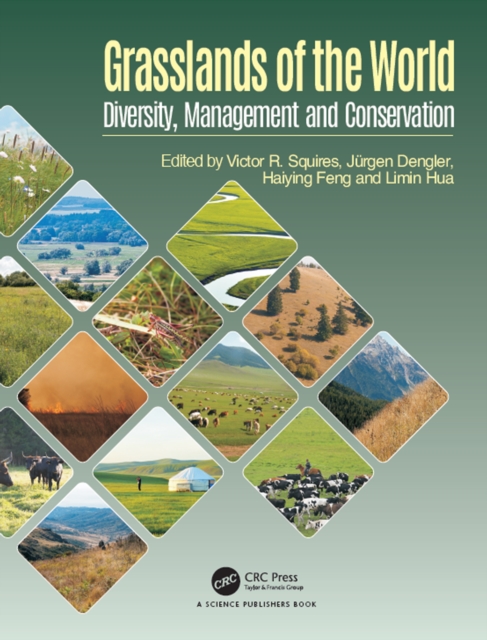
This book begins with a brief account of the extraordinary sequence of events that led to emergence of grasslands as major vegetation formations that now occupy some of the driest and hottest and the highest and coldest on earth as well as vast steppes and prairies in more temperate climes.
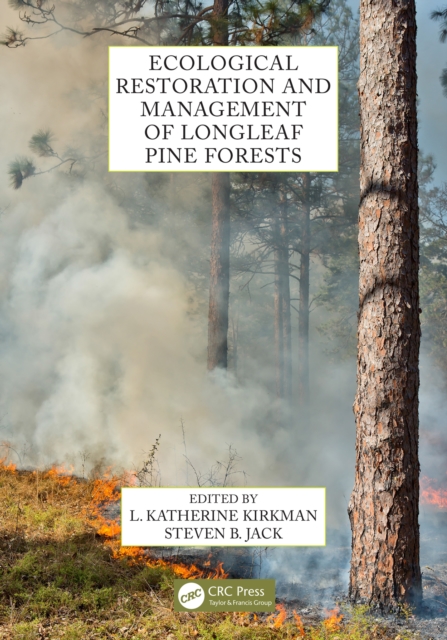
Ecological Restoration and Management of Longleaf Pine Forests is a timely synthesis of the current understanding of the natural dynamics and processes in longleaf pine ecosystems.
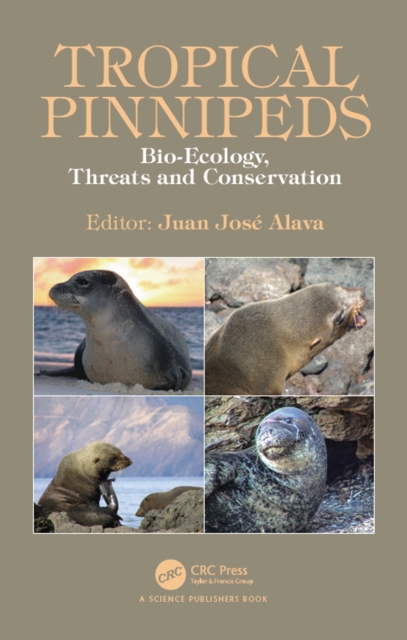
Pinnipeds are a fascinating group of marine mammals that play a crucial role as apex predators and sentinels of the functioning and health of marine ecosystems.
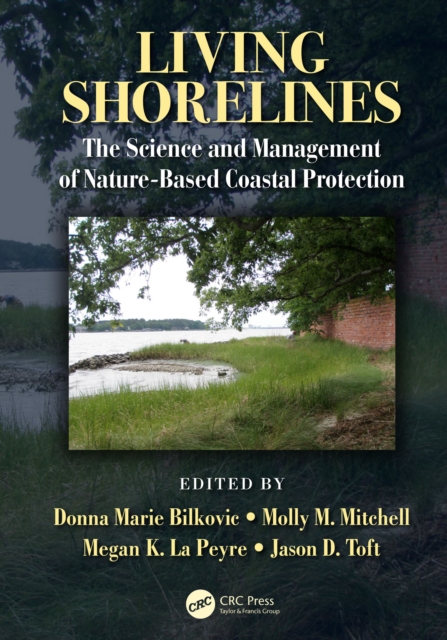
Living Shorelines: The Science and Management of Nature-based Coastal Protection compiles, synthesizes and interprets the current state of the knowledge on the science and practice of nature-based shoreline protection.
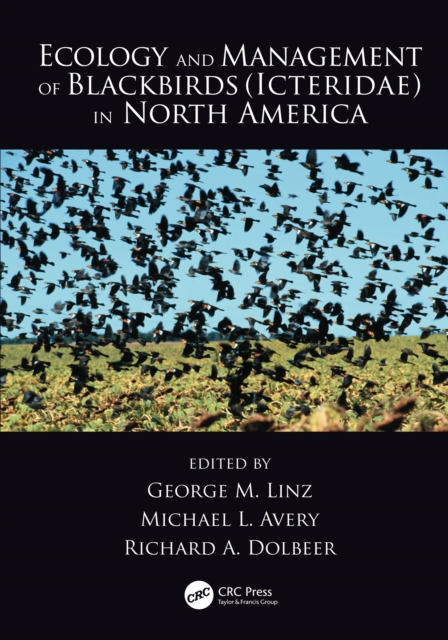
Shortlisted for the 2018 TWS Wildlife Publication Awards in the edited book categoryThe various species of new world blackbirds, often intermingled in large foraging flocks and nighttime roosts, collectively number in the hundreds of millions and are a dominant component of the natural and agricultural avifauna in North America today.
This book provides a comprehensive, detailed and insight rich review of both the positive (capacity building, cultural conservation and economic opportunities) and negative (commodification, cultural change and possible loss of ownership and control) aspects of tourism development in indigenous communities.
This book provides a comprehensive, detailed and insight rich review of both the positive (capacity building, cultural conservation and economic opportunities) and negative (commodification, cultural change and possible loss of ownership and control) aspects of tourism development in indigenous communities.
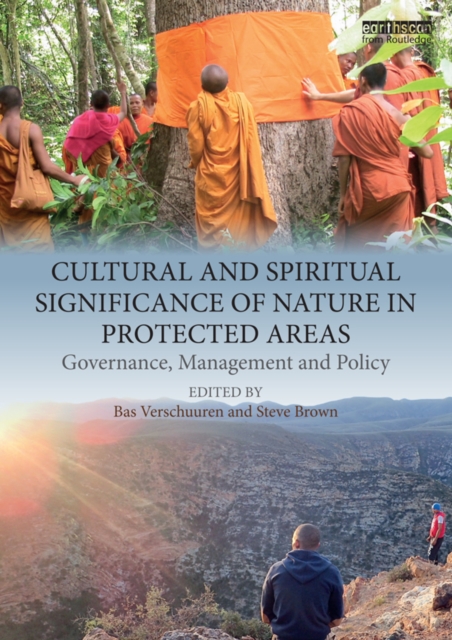
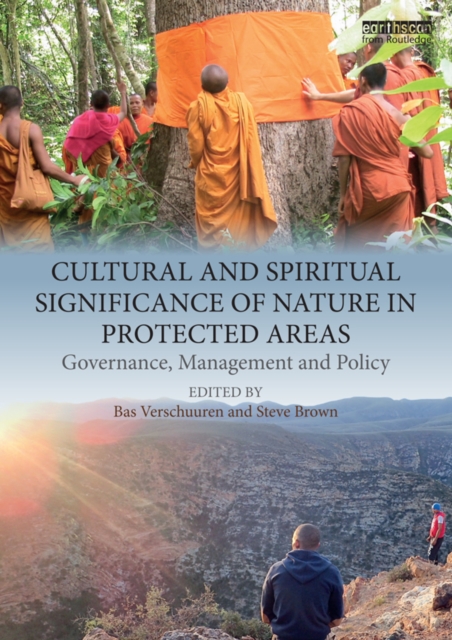
Cultural and spiritual bonds with 'nature' are among the strongest motivators for nature conservation; yet they are seldom taken into account in the governance and management of protected and conserved areas.
Cultural and spiritual bonds with 'nature' are among the strongest motivators for nature conservation; yet they are seldom taken into account in the governance and management of protected and conserved areas.
There has been a deliberative, but as yet unsuccessful, attempt by scholars and policy makers to articulate a more meaningful idea of Europe, which would enhance the legitimacy of the European Union and provide the basis for a European identity.
There has been a deliberative, but as yet unsuccessful, attempt by scholars and policy makers to articulate a more meaningful idea of Europe, which would enhance the legitimacy of the European Union and provide the basis for a European identity.
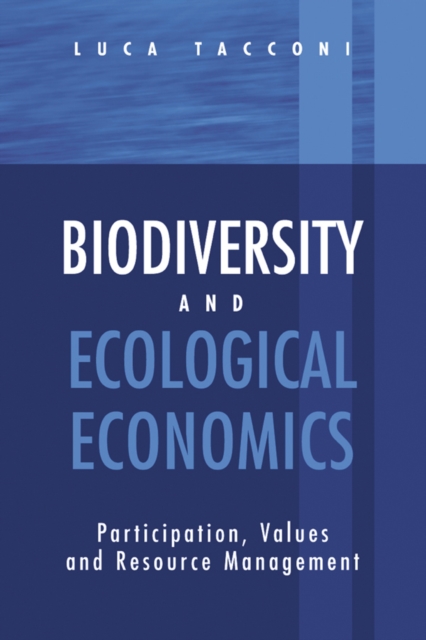
It is vital that we adopt interdisciplinary approaches such as ecological economics to gain an understanding of the values that determine human interaction with, and use and abuse of, the environment.
It is vital that we adopt interdisciplinary approaches such as ecological economics to gain an understanding of the values that determine human interaction with, and use and abuse of, the environment.
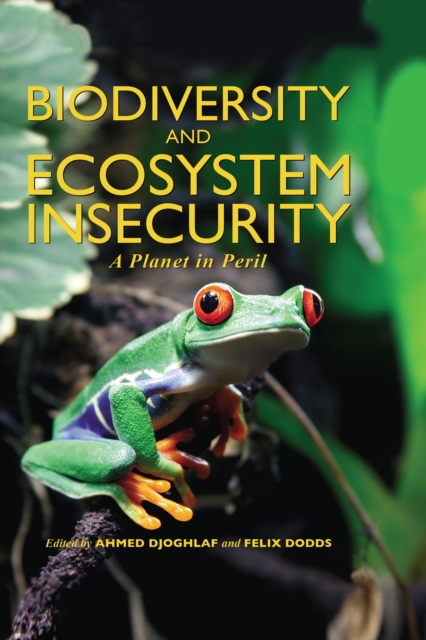
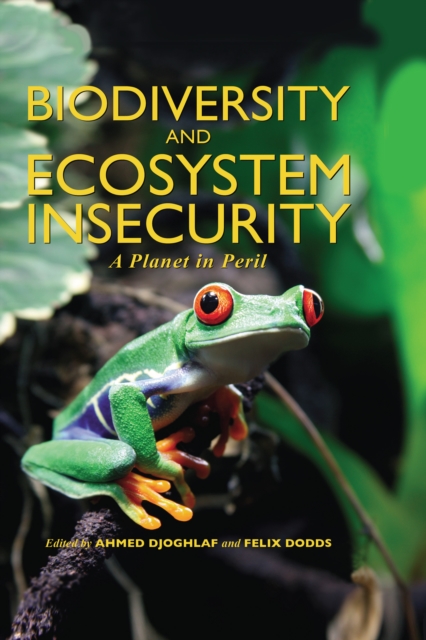
Biodiversity and Ecosystem Insecurity provides an authoritative and comprehensive assessment of the threats presented to human security and well-being by the loss of ecosystems and biodiversity recently confirmed as one of the critical 'planetary boundaries' that has already been exceeded.
Biodiversity and Ecosystem Insecurity provides an authoritative and comprehensive assessment of the threats presented to human security and well-being by the loss of ecosystems and biodiversity recently confirmed as one of the critical 'planetary boundaries' that has already been exceeded.
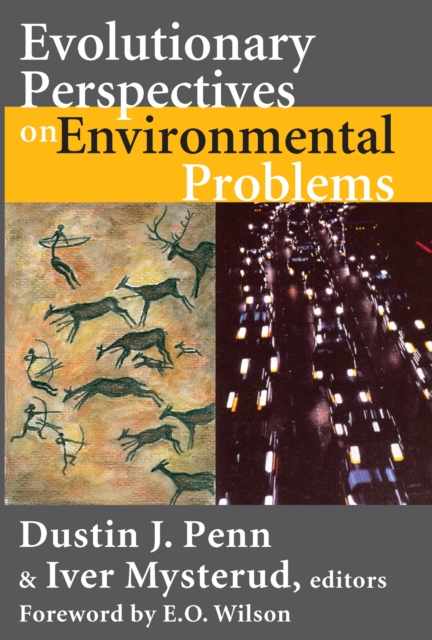
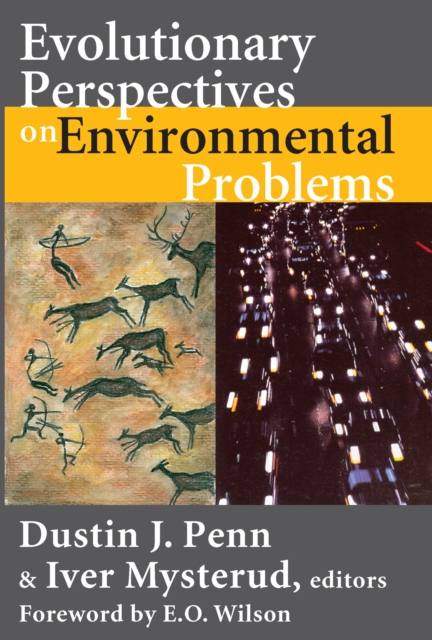
The twenty-first century presents an increasing number of environmental problems, including toxic pollution, global warming, destruction of tropical forests, extinction of biological diversity, and depletion of natural resources.
The twenty-first century presents an increasing number of environmental problems, including toxic pollution, global warming, destruction of tropical forests, extinction of biological diversity, and depletion of natural resources.
In a Dark Wood presents a history of debates among ecologists over what constitutes good forestry, and a critique of the ecological reasoning behind contemporary strategies of preservation, including the Endangered Species Act.
In a Dark Wood presents a history of debates among ecologists over what constitutes good forestry, and a critique of the ecological reasoning behind contemporary strategies of preservation, including the Endangered Species Act.
The rapid loss of tropical forests, particularly in the developing world, has been a global concern since the late 1980s and has prompted a variety of international initiatives to save the forests.
The rapid loss of tropical forests, particularly in the developing world, has been a global concern since the late 1980s and has prompted a variety of international initiatives to save the forests.
To celebrate The American Scholar's thirtieth anniversary, Hiram Haydn and Betsy Saunders brought together fifty representative selections published throughout those years.
To celebrate The American Scholar's thirtieth anniversary, Hiram Haydn and Betsy Saunders brought together fifty representative selections published throughout those years.
Built on a strong foundation in restoration ecology, this unique handbook provides practitioners, academics, and managers with vital tools needed to plan for ecosystem conservation, to restore degraded ecosystems, to make cost-effective restoration decisions, and to understand important legal issues.
Built on a strong foundation in restoration ecology, this unique handbook provides practitioners, academics, and managers with vital tools needed to plan for ecosystem conservation, to restore degraded ecosystems, to make cost-effective restoration decisions, and to understand important legal issues.