When author and homesteader Nicole Faires decided to retrofit an old school bus and tour Americas small farms with her husband and two small children, she expected to learn a lot, be inspired, and have some fun.
Combining delightful stories with whimsical and clever illustrations, Drink Pink is a clever, captivating, and unpretentious look at rose for novices and connoisseurs alike.
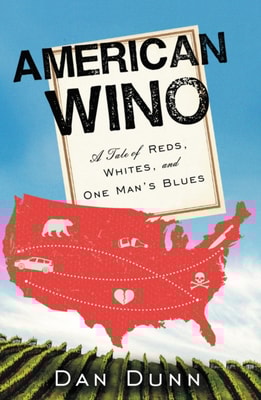
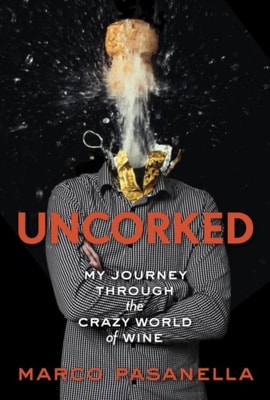
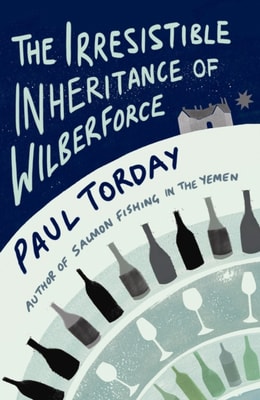
A professional booze writer whose life spins out of control tries to piece it back together by embarking upon an epic wine-fueled adventure that takes him to every corner of the U.
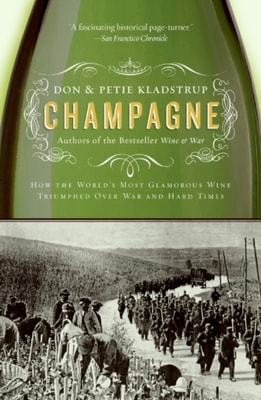
The sparkling wine's untold dramatic history, from the thirteenth century to two world wars and the twenty-first century, by the bestselling authors of Wine and War.
A uniquely collaborative analysis of human adaptation to the Polynesian islands, told through oral histories, biophysical evidence, and historical records Humans began to settle the area we know as Polynesia between 3,000 and 800 years ago, bringing with them material culture, including plants and animals, and ideas about societal organization, and then adapting to the specific biophysical features of the islands they discovered.
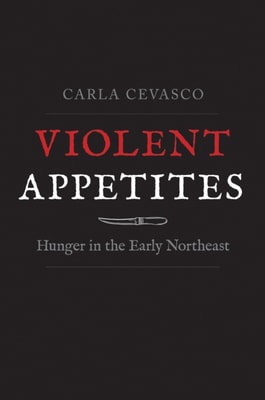
How hunger shaped both colonialism and Native resistance in Early America "e;In this bold and original study, Cevasco punctures the myth of colonial America as a land of plenty.
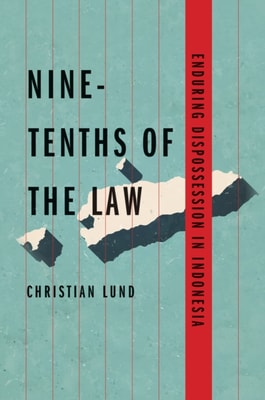
An exploration of the relationship between possession and legalization across Indonesia, and how people navigate dispossession The old aphorism "e;possession is nine-tenths of the law"e; is particularly relevant in Indonesia, which has seen a string of regime changes and a shifting legal landscape for property claims.
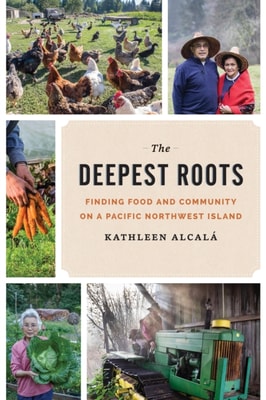
As friends began going back to the land at the same time that a health issue emerged, Kathleen Alcal set out to reexamine her relationship with food at the most local level.
The intersection of food and immigration in North America, from the macroscale of national policy to the microscale of immigrants'' lived, daily foodways.
A consumer''s guide to the food system, from local to global: our part as citizens in the interconnected networks, institutions, and organizations that enable our food choices.
From the fish that started a war to the pope poisoned with chocolate, discover the fascinating stories behind the origins, traditions, and uses of our food.
Published in 1994 to worldwide acclaim, the first edition of Jancis Robinson's seminal volume immediately attained legendary status, winning every major wine book award including the Glenfiddich and Julia Child/IACP awards, as well as writer and woman of the year accolades for its editor on both sides of the Atlantic.
There is a widespread assumption that the American food system after World War II was transformed-toward an increasingly industrialized production of crops, more processed foods, and diets higher in fat, sugar, and calories-as part of a unified system.
There is a widespread assumption that the American food system after World War II was transformed-toward an increasingly industrialized production of crops, more processed foods, and diets higher in fat, sugar, and calories-as part of a unified system.
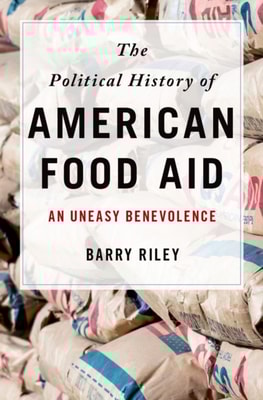
American food aid to foreigners long has been the most visible-and most popular-means of providing humanitarian aid to millions of hungry people confronted by war, terrorism and natural cataclysms and the resulting threat-often the reality-of famine and death.