In a world where we're bombarded with advice on going green, authors Mark Townsend and David Glick take a refreshing line and tell us how NOT to go green.
Electric power is essential for the lives and livelihoods of all Americans, and the need for electricity that is safe, clean, affordable, and reliable will only grow in the decades to come.
Since the September 11, 2001 terrorist attacks on the World Trade Center, many in the New York City area have become concerned about the possible consequences of a similar attack on the Indian Point nuclear power plantslocated about 40 miles from Manhattan, and have made calls for their closure.
The construction of nuclear power plants in the United States is stopping, as regulators, reactor manufacturers, and operators sort out a host of technical and institutional problems.
This book addresses the process and actions for developing enhanced capabilities to analyze energy policy issues and perform strategic planning activities at the U.
This book contains 11 papers that review the extant information about the Colorado River from an ecosystem perspective and serve as the basis for discussion of the use of ecosystem/earth science information for river management and dam operations.
This book addresses remedial action and waste management problems that the DOE and the nation are now facing that are the result of 50 years of nuclear weapons development and testingproblems that require a reengineering of systems and a reexamination of the scientific, engineering, and institutional barriers to achieving cost-effective and safe stewardship of the nation's resources.
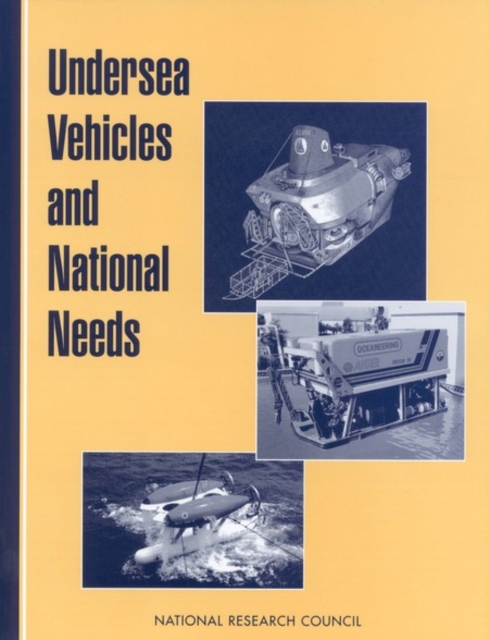
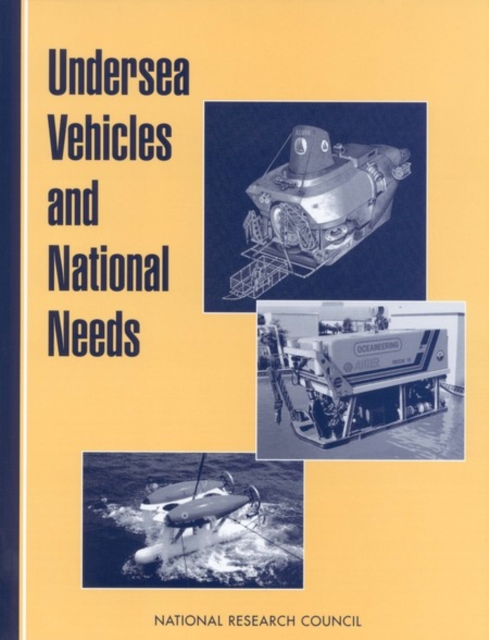
The United States faces decisions requiring information about the oceans in vastly expanded scales of time and space and from oceanic sectors not accessible with the suite of tools now used by scientists and engineers.
This book reviews the adequacy of information available for predicting and managing the environmental and human effects of oil and gas activities on Alaska's Outer Continental Shelf (OCS).
The Hawaiian Crow, or 'Alala, once an inhabitant of large forested areas of Hawaii, is now found only in the wild in a relatively small area of the central Kona coast.
This book assesses the current state of the field in a number of potential applications and discusses technologies for which concentrated solar energy might be utilized.
This book reviews current work and assesses the state of the art in potential applications of concentrated solar energy in nonelectric areas, such as water and waste treatment, photochemical processes, and materials processing.
This volume, a collection of seven essays by individuals prominent in the water resources field, commemorates the tenth anniversary of the Water Science and Technology Board.
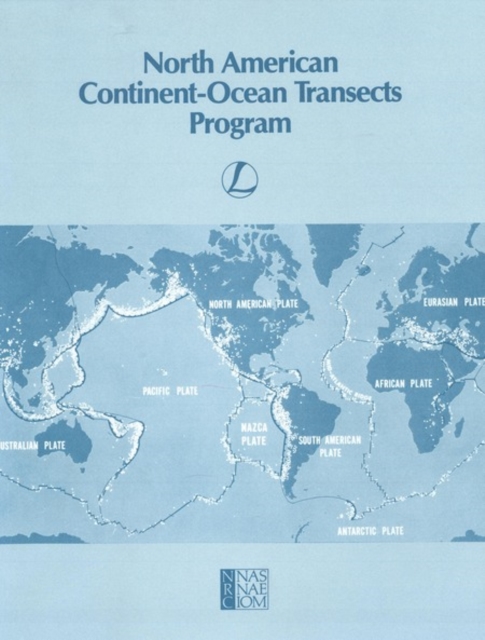
This book discusses the results of the transects program, which involves compilations of maps and cross sections showing geological, geophysical, and geochemical data and interpretations along 23 transects from the continental craton to the oceanic lithosphere around North America.
The National Academies' National Research Council undertook this study in response to a request from the Under Secretary of Energy to provide strategic advice on how the Department of Energy could improve its Environmental Quality RD portfolio.
Renewable Power Pathways is the result of a study by the National Research Council (NRC) Committee for the Programmatic Review of the Office of Power Technologies (OPT) review of the U.
The responsible management of natural resources for present-day needs and future generations requires integrated approaches that are place-based, embrace systems thinking, and incorporate the social, economic, and environmental considerations of sustainability.
The Environmental Protection Agency (EPA) applies scientific results that have been provided by various parts of its own organization and by external organizations.
The National Academies Keck Futures Initiative (NAKFI) Conference in 2013 focused on the Future of Advanced Nuclear Technologies to generate new ideas about how to move nuclear technology forward while making the world safer and more secure.
The National Academies' National Research Council undertook this study in response to a request from the Under Secretary of Energy to provide strategic advice on how the Department of Energy could improve its Environmental Quality RD portfolio.
The United States faces decisions requiring information about the oceans in vastly expanded scales of time and space and from oceanic sectors not accessible with the suite of tools now used by scientists and engineers.