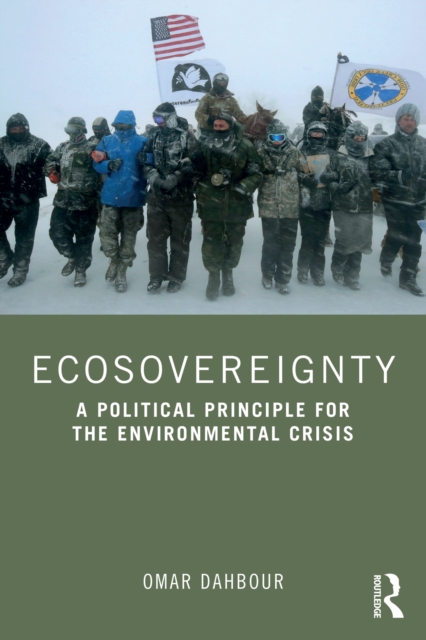
In this book, Omar Dahbour develops the idea of ecosystem sovereignty, calling for a reinterpretation of some essential concepts in political philosophy, including territoriality, self-determination, peoplehood, and sovereignty, in order to make the case for peoples' rights to protect and maintain their natural environments.
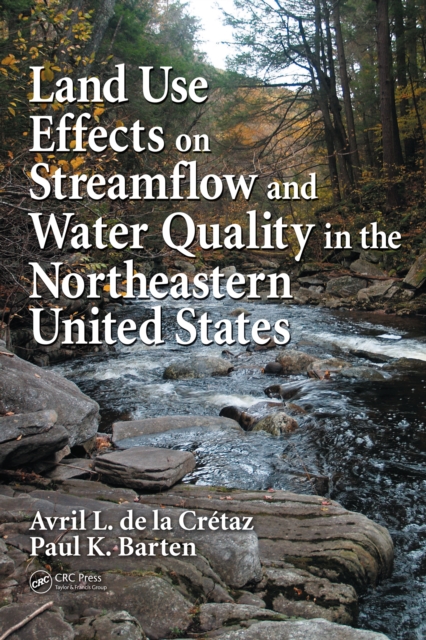
Filling a long-standing need for a desk reference that synthesizes current research, Land Use Effects on Streamflow and Water Quality in the Northeastern United States reviews and discusses the impact of forest management, agriculture, and urbanization.
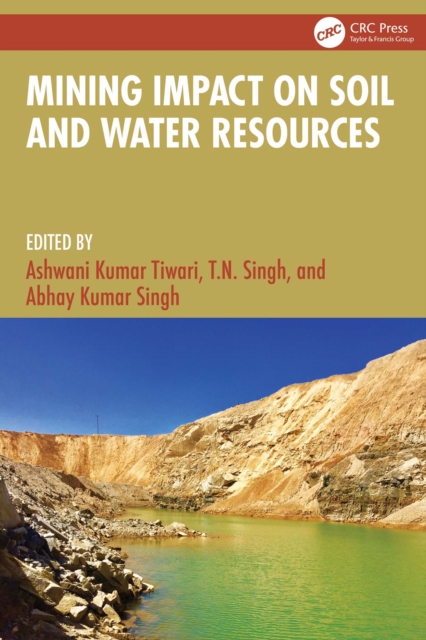
The subject matter of this book is divided into two sections detailing Soil (focussing on geochemistry, contamination, and remediation) and Water (focussing on hydrogeochemistry, crisis, desertification, and modelling) including case studies, review studies, and essential soil remediation and water.
This book has been conceived with the aim of contributing to the International Conference on Ocean Management in Global Change [Genoa, June 22-26, 1992] and to the ocean sciences' debate on the conceptual framework and targets of sea management.
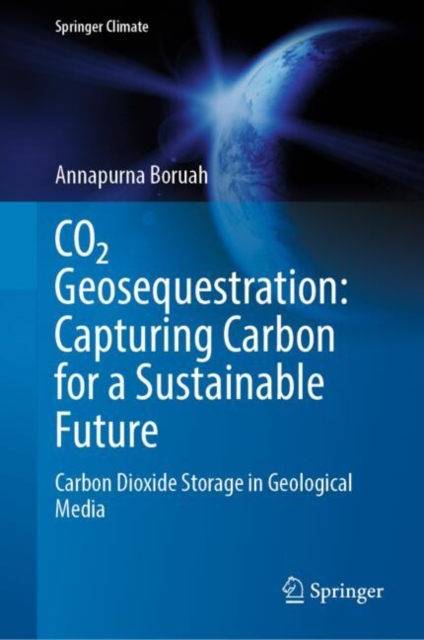
As the world faces the urgent need to combat climate change, "e;CO2 Geosequestration: Capturing Carbon for a Sustainable Future"e; provides a comprehensive solution on carbon dioxide storage in geological media, and utilization to reduce the CO2 from the atmosphere.
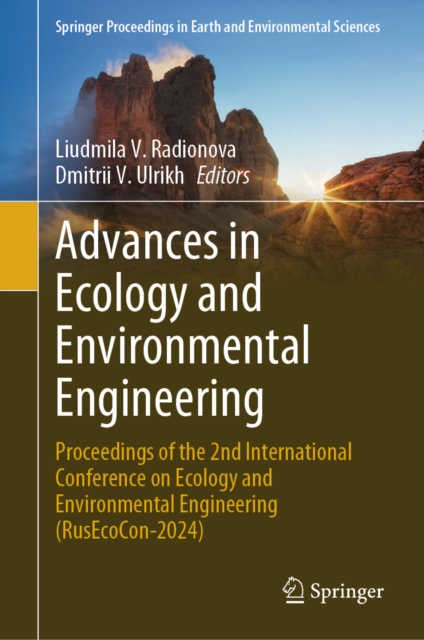
This book reports on innovative research and developments in the field of environmental protection from the influence of human activities, spanning a wide range of disciplines, including urban environmental development, resources and environment engineering, green technology, and technology potential for environmental management 4.
This book reports on innovative research and developments in the field of environmental protection from the influence of human activities, spanning a wide range of disciplines, including urban environmental development, resources and environment engineering, green technology, and technology potential for environmental management 4.
As the world faces the urgent need to combat climate change, "e;CO2 Geosequestration: Capturing Carbon for a Sustainable Future"e; provides a comprehensive solution on carbon dioxide storage in geological media, and utilization to reduce the CO2 from the atmosphere.
There is an increasing realization among biophysical scientists that human behavior drastically impacts the degree to which sound agroecosystems are implemented.
Expanding the risk assessment toolbox, this book provides a comprehensive and practical evaluation of specific ecological models for potential use in risk assessment.
A Training Tool for the Environmental Risk ProfessionalEnvironmental Risk Analysis: Probability Distribution Calculations defines the role that probability distributions play in risk analysis, and gives direction on how to measure and compare the magnitude of risk more efficiently.
This timely volume examines the work of the National Estuary Program, the prominent federally-funded initiative dealing with pollution and other anthropogenic impacts on estuarine ecosystems and the management plans necessary to ensure that these invaluable natural treasures remain healthy and productive for future generations.
Environmental Economics: The Essentials offers a policy-oriented approach to the increasingly influential field of environmental economics that is based on a solid foundation of economic theory and empirical research.
Offers a guide to current environmental health and safety statutes--providing a working knowledge of the major legislations and regulations and demonstrating the steps necessary for compliance.
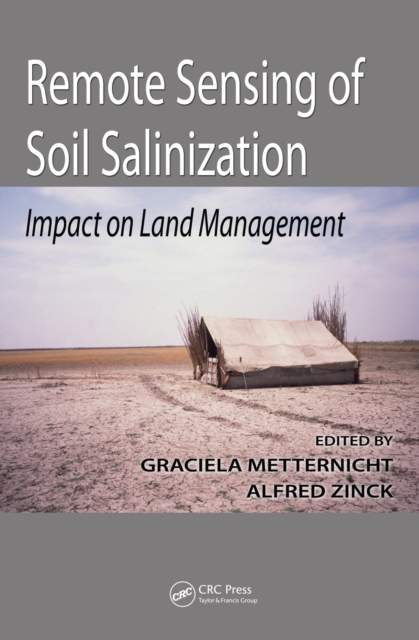
Recognized and advocated as a powerful tool, the role of remote sensing in identifying, mapping, and monitoring soil salinity and salinization will continue to expand.
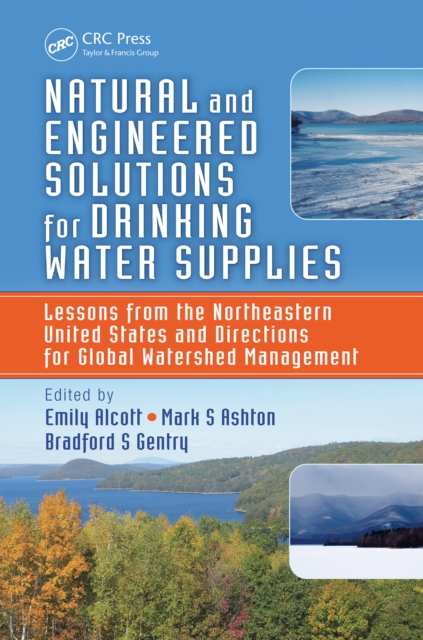
Illuminating opportunities to develop a more integrated approach to municipal water system design, Natural and Engineered Solutions for Drinking Water Supplies: Lessons from the Northeastern United States and Directions for Global Watershed Management explores critical factors in the decision-making processes for municipal water system delivery.
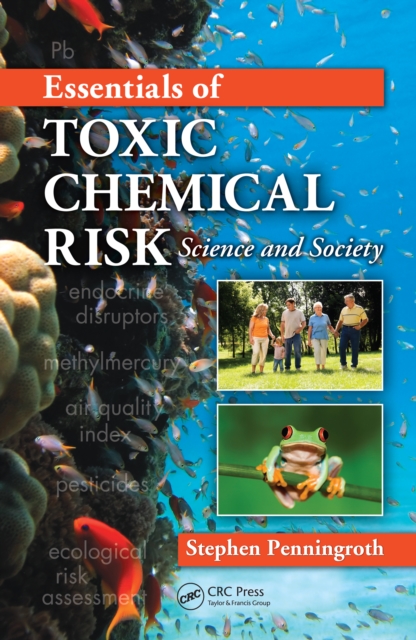
This volume provides a basic introduction to toxicology within a framework of chemical risk to ecosystems and to human health and forms the basis of a new approach to teaching toxicology from a broad, interdisciplinary perspective.
This book explores the relationships between natural resources management, sustainable livelihoods, and integrated watershed management in the context of the mountainous region, especially in the northeastern region of India.
This book discusses an emerging context of climate change, environmental degradation, monitoring and management, agricultural vulnerability and its development and adaptation from local to global scale.
This book discusses an emerging context of climate change, environmental degradation, monitoring and management, agricultural vulnerability and its development and adaptation from local to global scale.
This book contains a selection of the best articles presented at the 4th International Conference GIRE3D - Participatory and Integrated Management of Water Resources in Arid Zones, November 23th-25th , Help at Laayoune - Morocco, co-organized by Moroccan Committee of the International Hydraulics Association (CM-AIH) and Hydraulic basin agency of Sakia El Hamra and Oued Eddahab (ABHSHOD).
'Tom is one of my favourite people to taste wine with' - Oz Clarke'Tom's love of wine is matched by his dedication to sharing down-to-earth insights with accessibility and fun' - Olly SmithFrom grape to glass, this highly readable and charismatic guide will teach you everything you need to know to enjoy wine.
In this Very Short Introduction, Prof Lord John Krebs provides a brief history of human food, from our remote ancestors 3 million years ago to the present day.
This innovative collection examines how European queens participated in the conceptualisation, mobilisation, and transformation of 'natural resources' from the fifteenth to the end of the eighteenth century.
Water is an integral part of our daily lives, yet most of us have little idea about how much water we use to maintain our lifestyles and the extent to which our lifestyles pollute and degrade water resources.
This book will highlight the role of CE in the sustainability field as it is expressed in the various fields and disciplines and its contribution to building a sustainable society by providing a better understanding of the relevant social and cultural structures and the need for cross-disciplinary knowledge and diverse skills.
Due to the growth of the world population, food production has increased exponentially as have the agricultural production systems used to produce food.
This book critically analyzes the reasons for the lack of tangible success in preventing progressing eutrophication and its negative effects as a global environmental problem without a clear solution until now.