The New Urban Agenda (NUA), adopted in 2016 at the United Nations Conference on Housing and Sustainable Urban Development (Habitat III) in Quito, Ecuador, represents a globally shared understanding of the vital link between urbanization and a sustainable future.
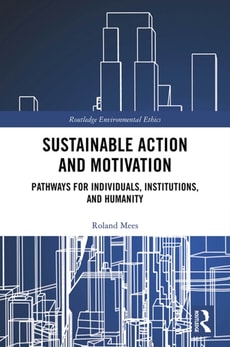
Sustainable Action and Motivation proposes individual competencies and institutional policies that can help overcome the motivational hurdles that hamper sustainable action.
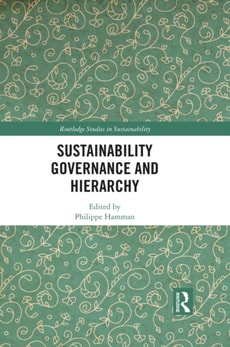
Sustainability Governance and Hierarchy provides a solid, theoretically and empirically grounded reflection on the concept of "e;sustainability governance"e;.
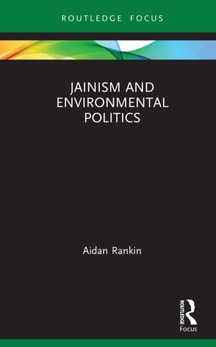
This book explores the ways in which the ecologically centred Indian philosophy of Jainism could introduce a new and non-western methodology to environmental politics, with the potential to help the green movement find new audiences and a new voice.
Ethical Debates in Orangutan Conservation explores how conservationists decide whether, and how, to undertake rehabilitation and reintroduction (R&R) when rescuing orphaned orangutans.
This book reviews the Green Revolution, starting with its inception and development from the 1940s to the 1970s, and leading to what is commonly referred to as a second Green Revolution in the 2000s.
Sustainable Action and Motivation proposes individual competencies and institutional policies that can help overcome the motivational hurdles that hamper sustainable action.
Ethical Debates in Orangutan Conservation explores how conservationists decide whether, and how, to undertake rehabilitation and reintroduction (R&R) when rescuing orphaned orangutans.
This book explores the ways in which the ecologically centred Indian philosophy of Jainism could introduce a new and non-western methodology to environmental politics, with the potential to help the green movement find new audiences and a new voice.
Sustainability Governance and Hierarchy provides a solid, theoretically and empirically grounded reflection on the concept of "e;sustainability governance"e;.
This book explores the mobilisation of China's wind and solar industries and examines the implications of this development to energy generation and distribution, innovation and governance.
This book reviews the Green Revolution, starting with its inception and development from the 1940s to the 1970s, and leading to what is commonly referred to as a second Green Revolution in the 2000s.
This book explores the mobilisation of China's wind and solar industries and examines the implications of this development to energy generation and distribution, innovation and governance.