The California Department of Pesticide Regulation(DPR)conducts human health risk assessments as part of its mission to ensure the protection of workers and public health in the state.
America is endowed with places that embody a rich geoheritage, from sites where indigenous people subsisted for millennia, to mines that furnished the raw materials that built U.
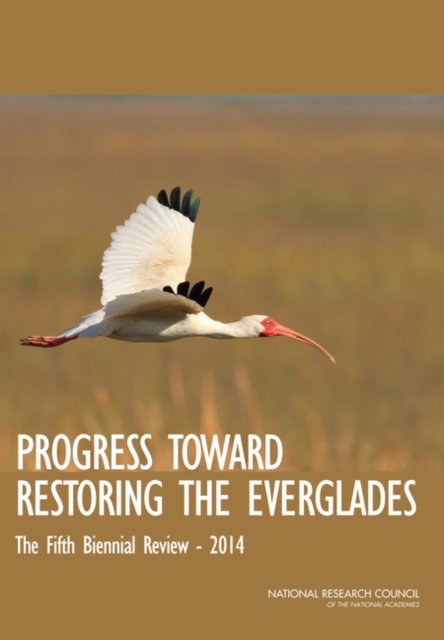
During the past century, the Everglades, one of the world's treasured ecosystems, has been dramatically altered by drainage and water management infrastructure that was intended to improve flood management, urban water supply, and agricultural production.
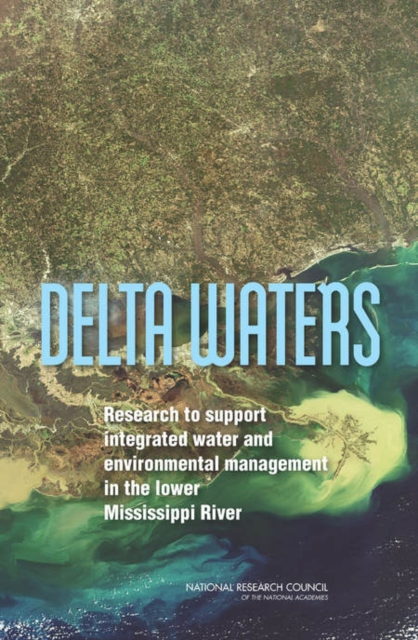
The Water Institute of the Gulf is a not-for-profit, independent research institute dedicated to advancing the understanding of coastal, deltaic, river and water resource systems, both within the Gulf Coast and around the world.
Research related to chemical warfare agents (CWAs) has historically focused on life threatening battlefield effects caused by high level exposures to the agents, not effects associated with exposures to low concentrations of them.
The Department of Energy's Office of Environmental Management (DOE) is responsible for the safe cleanup of sites used for nuclear weapons development and government-sponsored nuclear energy research.
The Radiation Exposure Compensation Act (RECA) was set up by Congress in 1990 to compensate people who have been diagnosed with specified cancers and chronic diseases that could have resulted from exposure to nuclear-weapons tests at various U.
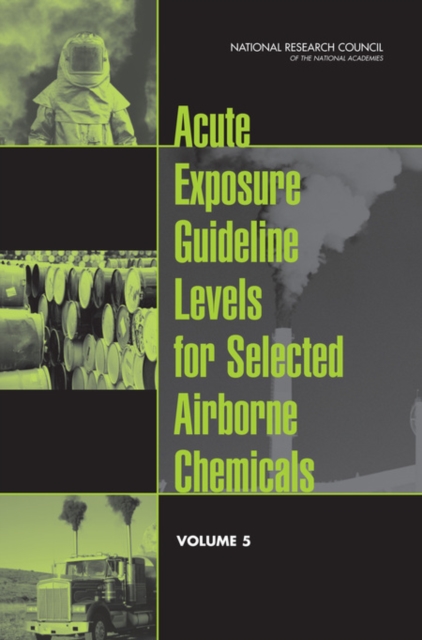
Extremely hazardous substances (EHSs), as defined in the Superfund Amendments and Reauthorization Act of 1986, can be released accidentally as a result of chemical spills, industrial explosions, fires, or accidents involving railroad cars or trucks used in transporting these substances, or intentionally through terrorist activities.
During the past century, the Everglades, one of the world's treasured ecosystems, has been dramatically altered by drainage and water management infrastructure to improve flood management, urban water supply, and agricultural production.
This book is the second biennial evaluation of progress being made in the Comprehensive Everglades Restoration Plan (CERP), a multibillion-dollar effort to restore historical water flows to the Everglades and return the ecosystem closer to its natural state.
Research related to chemical warfare agents (CWAs) has historically focused on life threatening battlefield effects caused by high level exposures to the agents, not effects associated with exposures to low concentrations of them.
The Environmental Protection Agency's estimate of the costs associated with implementing numeric nutrient criteria in Florida's waterways was significantly lower than many stakeholders expected.
In 1993, the National Research Council's Committee on Toxicology developed criteria and methods for EPA and the Agency for Toxic Substances and Disease Registry (ATSDR) to develop community emergency exposure levels for extremely hazardous substances for the general population.
The Superfund program of the US Environmental Protection Agency (EPA) was created in the 1980s to address human-health and environmental risks posed by abandoned or uncontrolled hazardous-waste sites.
Whether the result of an oil well blowout, vessel collision or grounding, leaking pipeline, or other incident at sea, each marine oil spill will present unique circumstances and challenges.
Extremely hazardous substances (EHSs), as defined in the Superfund Amendments and Reauthorization Act of 1986, can be released accidentally as a result of chemical spills, industrial explosions, fires, or accidents involving railroad cars or trucks used in transporting these substances, or intentionally through terrorist activities.
The Department of Energy's Office of Environmental Management's (EM) mission is the safe cleanup of sites associated with the government-led development of nuclear weapons and nuclear energy.
The stresses associated with climate change are expected to be felt keenly as human population grows to a projected 9 billion by the middle of this century, increasing the demand for resources and supporting infrastructure.
The Everglades ecosystem is vast, stretching more than 200 miles from Orlando to Florida Bay, and Everglades National Park is but a part located at the southern end.
This book is the second biennial evaluation of progress being made in the Comprehensive Everglades Restoration Plan (CERP), a multibillion-dollar effort to restore historical water flows to the Everglades and return the ecosystem closer to its natural state.
In 1993, the National Research Council's Committee on Toxicology developed criteria and methods for EPA and the Agency for Toxic Substances and Disease Registry (ATSDR) to develop community emergency exposure levels for extremely hazardous substances for the general population.
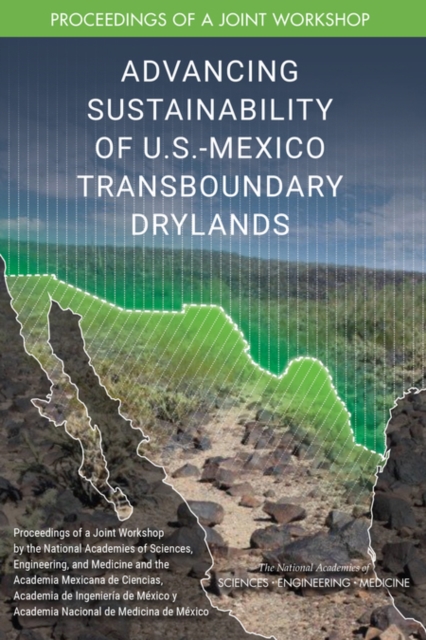
The drylands region shared by the United States and Mexico currently faces multiple sustainability challenges at the intersection of the human and natural systems.
Sustainability is based on a simple and long-recognized factual premise: Everything that humans require for their survival and well-being depends, directly or indirectly, on the natural environment.
The Radiation Exposure Compensation Act (RECA) was set up by Congress in 1990 to compensate people who have been diagnosed with specified cancers and chronic diseases that could have resulted from exposure to nuclear-weapons tests at various U.
A new book from the National Research Council recommends changes in how the federal government evaluates the efficiency of research at EPA and other agencies.
Diluted bitumen has been transported by pipeline in the United States for more than 40 years, with the amount increasing recently as a result of improved extraction technologies and resulting increases in production and exportation of Canadian diluted bitumen.
A new book from the National Research Council recommends changes in how the federal government evaluates the efficiency of research at EPA and other agencies.
This volume contains detailed information and assessment of incentives and policy instruments available within Europe to encourage good practice, and of how to achieve environmental gain in regional economic programmes.
The COVID-19 pandemic and overlapping global crises, including geopolitical conflict and climate change, have made achievement of the United Nations Sustainable Development Goals (SDGs) more challenging.
Co-Winner of the Senior Book Prize, American Ethnological SocietyWhat the struggle over the Indonesian rainforests can teach us about the social frictions that shape the world around usRubbing two sticks together produces heat and light while one stick alone is just a stick.
This book studies the role of the United Nations Environment Programme (UNEP) as an advocate for greater environmental responsibility and analyses the major achievements and outcomes of two landmark conferences - Stockholm (1972) and Rio (1992) - which set the agenda for the future role of the UNEP.
This book studies the role of the United Nations Environment Programme (UNEP) as an advocate for greater environmental responsibility and analyses the major achievements and outcomes of two landmark conferences - Stockholm (1972) and Rio (1992) - which set the agenda for the future role of the UNEP.
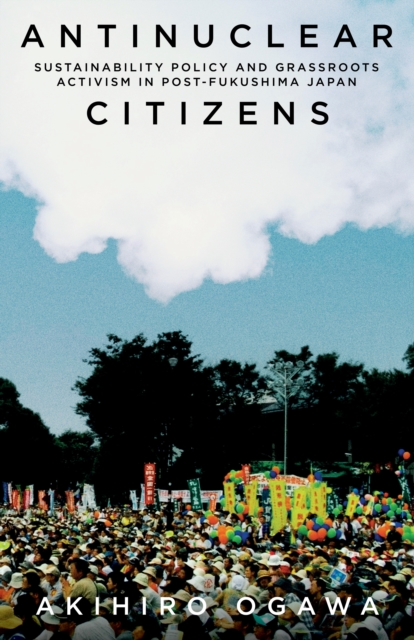
Following the Great East Japan Earthquake on March 11, 2011, tsunamis engulfed the Fukushima Daiichi nuclear power plant located on Japan's Pacific Coast, leading to the worst nuclear disaster the world has seen since the Chernobyl crisis of 1986.