The Earth Charter is a declaration of fundamental ethical principles for building a just, sustainable and peaceful global society, with ecological integrity as a major theme.
First published in 1991, this title provides a comprehensive and objective account of the basis of 'green' arguments and their social and political implications.
First published in 1991, this title provides a comprehensive and objective account of the basis of 'green' arguments and their social and political implications.
Taking a social science approach, this book explores the governance of sustainable seafood, which is fundamental to food and nutrition security as well as being an important source of income and employment in many regions.
Taking a social science approach, this book explores the governance of sustainable seafood, which is fundamental to food and nutrition security as well as being an important source of income and employment in many regions.
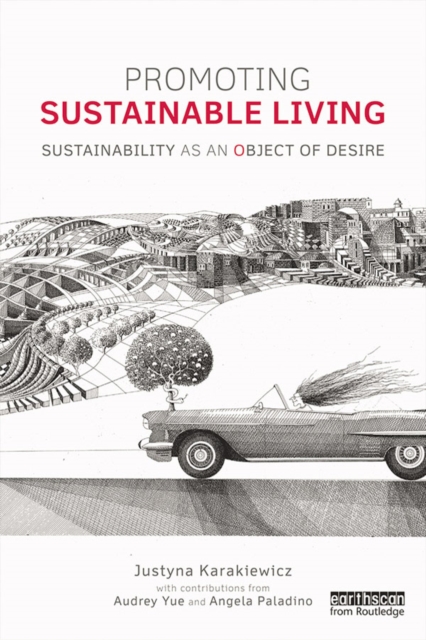
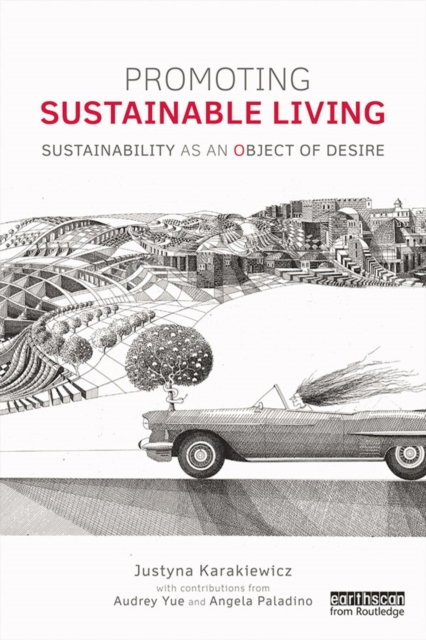
Current images of sustainability are often designed to instil fear and force change, not because we believe in it, but because we fear the consequences of inaction.
Current images of sustainability are often designed to instil fear and force change, not because we believe in it, but because we fear the consequences of inaction.
Ownership and Control of Oil examines government decisions about how much control to exert over the petroleum industry, focusing on the role of National Oil Companies in the production of crude oil since the nationalizations in the 1970s.
Ownership and Control of Oil examines government decisions about how much control to exert over the petroleum industry, focusing on the role of National Oil Companies in the production of crude oil since the nationalizations in the 1970s.
Written by Adrian Belcham, author of Manual of Environmental Management, this is the essential guide to prepare you for the IEMA Associate Membership Exam and NEBOSH Diploma in Environmental Management.
Written by Adrian Belcham, author of Manual of Environmental Management, this is the essential guide to prepare you for the IEMA Associate Membership Exam and NEBOSH Diploma in Environmental Management.
Drawing upon a variety of empirical and theoretical perspectives, The Urban Climate Challenge provides a hands-on perspective about the political and technical challenges now facing cities and transnational urban networks in the global climate regime.
Drawing upon a variety of empirical and theoretical perspectives, The Urban Climate Challenge provides a hands-on perspective about the political and technical challenges now facing cities and transnational urban networks in the global climate regime.
Projecting win-win situations, new economic opportunities, green growth and innovative partnerships, the green economy discourse has quickly gained centre stage in international environmental governance and policymaking.
Projecting win-win situations, new economic opportunities, green growth and innovative partnerships, the green economy discourse has quickly gained centre stage in international environmental governance and policymaking.
The 2nd edition of An Introduction to Climate Change Economics and Policy explains the key scientific, economic and policy issues related to climate change in a completely up-to-date introduction for anyone interested, and students at all levels in various related courses, including environmental economics, international development, geography, politics and international relations.
The 2nd edition of An Introduction to Climate Change Economics and Policy explains the key scientific, economic and policy issues related to climate change in a completely up-to-date introduction for anyone interested, and students at all levels in various related courses, including environmental economics, international development, geography, politics and international relations.
The Arctic region contains large amounts of natural resources considered necessary to sustain global economic growth, so it is unsurprising that it is increasingly susceptible to political, economic, environmental, and even military conflicts.
The Arctic region contains large amounts of natural resources considered necessary to sustain global economic growth, so it is unsurprising that it is increasingly susceptible to political, economic, environmental, and even military conflicts.
This book examines the possibilities and limitations of corporate social responsibility in minimising the violent conflict often associated with natural resource exploitation.
This book examines the possibilities and limitations of corporate social responsibility in minimising the violent conflict often associated with natural resource exploitation.
In addition to environmental change, the structure and trends of global politics and the economy are also changing as more countries join the ranks of the world's largest economies with their resource-intensive patterns.
In addition to environmental change, the structure and trends of global politics and the economy are also changing as more countries join the ranks of the world's largest economies with their resource-intensive patterns.
Environmental certification is an effective tool for managing the environmental impact of companies, leveraging their competitive capabilities and ensuring their compliance with environmental principles.
Environmental certification is an effective tool for managing the environmental impact of companies, leveraging their competitive capabilities and ensuring their compliance with environmental principles.
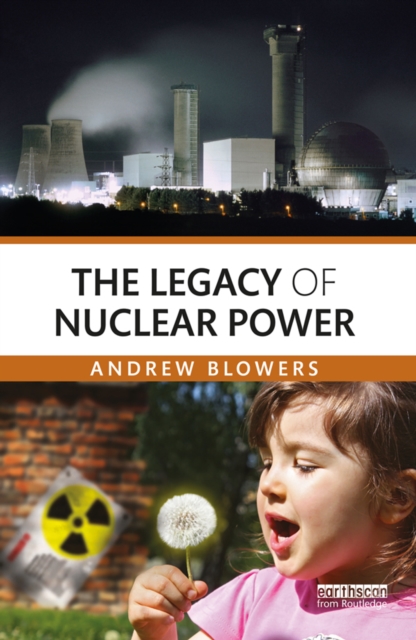
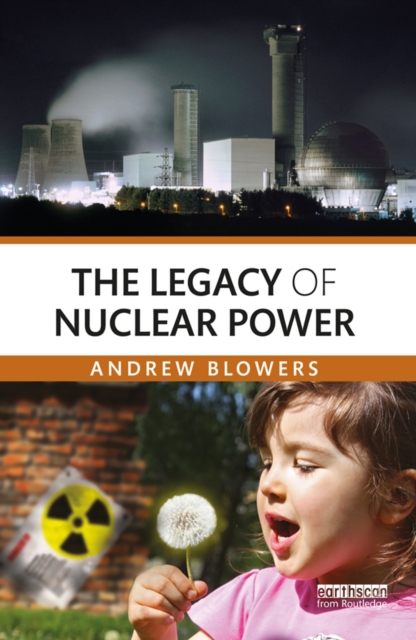
The question of what to do with radioactive waste has dogged political administrations of nuclear-powered electricity-producing nations since the inception of the technology in the 1950s.
Drawing on cutting-edge research from leading scholars, this book investigates state preferences for regime creation and assesses state capacity for executing these preferences in Northeast Asia's energy domain, defined as the geographical area comprising the following countries: Russia, Mongolia, China, Japan, South Korea and North Korea.
Drawing on cutting-edge research from leading scholars, this book investigates state preferences for regime creation and assesses state capacity for executing these preferences in Northeast Asia's energy domain, defined as the geographical area comprising the following countries: Russia, Mongolia, China, Japan, South Korea and North Korea.
An international river basin is an ecological system, an economic thoroughfare, a geographical area, a font of life and livelihoods, a geopolitical network and, often, a cultural icon.
An international river basin is an ecological system, an economic thoroughfare, a geographical area, a font of life and livelihoods, a geopolitical network and, often, a cultural icon.
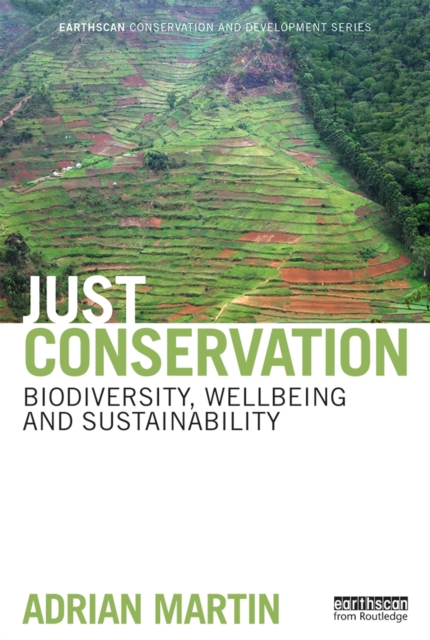
Loss of biodiversity is one of the great environmental challenges facing humanity but unfortunately efforts to reduce the rate of loss have so far failed.
Loss of biodiversity is one of the great environmental challenges facing humanity but unfortunately efforts to reduce the rate of loss have so far failed.