Protecting environmental quality while pursuing economic development poses a particularly difficult challenge to the countries of Central and Eastern Europe, where political and economic systems are changing rapidly following decades of environmental neglect and economic mismanagement.
In this study, Richard Alexander presents a series of original and empirically based case studies of the language and discourse involved in the discussion of environmental and ecological issues.
In this study, Richard Alexander presents a series of original and empirically based case studies of the language and discourse involved in the discussion of environmental and ecological issues.
Drawing on a wide range of Chinese and western sources, this book offers in-depth analysis of the complete range of environmental problems facing China today, from the historical, political, economic and cultural root causes, through the successful and unsuccessful efforts which have been made to find solutions, to possible future scenarios and strategies.
Drawing on a wide range of Chinese and western sources, this book offers in-depth analysis of the complete range of environmental problems facing China today, from the historical, political, economic and cultural root causes, through the successful and unsuccessful efforts which have been made to find solutions, to possible future scenarios and strategies.
Covering the work of non-governmental organizations in trying to change the environmental policies of governments and business organizations, this study looks at field research in Asia and Africa, and relates it to theoretical issues in the academic field.
Covering the work of non-governmental organizations in trying to change the environmental policies of governments and business organizations, this study looks at field research in Asia and Africa, and relates it to theoretical issues in the academic field.
The use of so-called "e;new"e; environmental policy instruments such as eco-taxes, tradable permits, voluntary agreements and eco-labels has prompted widespread claims that these devices have replaced regulation.
The use of so-called "e;new"e; environmental policy instruments such as eco-taxes, tradable permits, voluntary agreements and eco-labels has prompted widespread claims that these devices have replaced regulation.
This book discusses whether and to what extent there are widespread injustices and inequities caused by the distribution of environmental hazards in America today.
This book discusses whether and to what extent there are widespread injustices and inequities caused by the distribution of environmental hazards in America today.
Utilizing current natural resource policies, this work effectively shows how the wetlands fit a dominance model, the Great Lakes is a bounded model, and wildlife is labeled as a valence model.
Utilizing current natural resource policies, this work effectively shows how the wetlands fit a dominance model, the Great Lakes is a bounded model, and wildlife is labeled as a valence model.
This book explores environmental policymaking in Mexico as a vehicle to understanding the broader changes in the policy process within a system undergoing a democratic transformation.
This book explores environmental policymaking in Mexico as a vehicle to understanding the broader changes in the policy process within a system undergoing a democratic transformation.
This book provides a specific case study--based upon direct research with UN processes--which enables the reader to situate larger theoretical arguments regarding civil society, globalization, and sustainable development within the context of the actual activities of practitioners working within the UN forest policy-making arena.
This book provides a specific case study--based upon direct research with UN processes--which enables the reader to situate larger theoretical arguments regarding civil society, globalization, and sustainable development within the context of the actual activities of practitioners working within the UN forest policy-making arena.
Despite the growing recognition of the importance of environmental issues for nation-state security, current research on international environmental security is insufficient.
Despite the growing recognition of the importance of environmental issues for nation-state security, current research on international environmental security is insufficient.
Soil Degradation in the United States: Extent, Severity, and Trends examines the magnitude and severity of soil degradation by different processes in the U.
The EPA has established regulations which classify four types of disinfection byproducts - TTHMs, haloacetic acids, bromate, and chlorite - and requires public water systems limit these byproducts to specific levels.
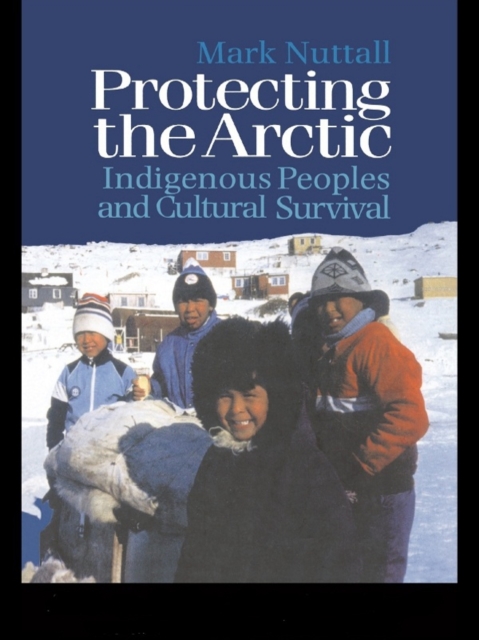
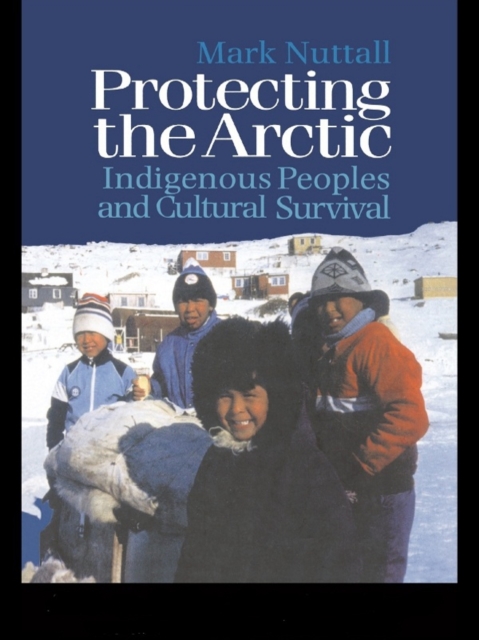
Protecting the Arctic explores some of the ways in which indigenous peoples have taken political action regarding Arctic environmental and sustainable development issues, and investigates the involvement of indigenous peoples in international environmental policy- making.
Protecting the Arctic explores some of the ways in which indigenous peoples have taken political action regarding Arctic environmental and sustainable development issues, and investigates the involvement of indigenous peoples in international environmental policy- making.
The Rio Summit has pointed to the urgency for the development of an international conservation policy; and the post-Maastricht debates in Europe have highlighted the need for the EU to reassess structural funding in nature conservation, as well as the influences on policy and practice.
The Rio Summit has pointed to the urgency for the development of an international conservation policy; and the post-Maastricht debates in Europe have highlighted the need for the EU to reassess structural funding in nature conservation, as well as the influences on policy and practice.
This book presents the current thinking from leading authorities worldwide on transport and the environment and focuses on the link between transport supply and use and environmental degradation.
This book presents the current thinking from leading authorities worldwide on transport and the environment and focuses on the link between transport supply and use and environmental degradation.