Pendant 40 ans, l'auteur a conseillé des personnes atteintes d'un cancer et a pu constater à quel point la maladie reflétait la structure énergétique de l'environnement.
Grete Hermann (1901-1984) was a pupil of mathematical physicist Emmy Noether, follower and co-worker of neo-Kantian philosopher Leonard Nelson, and an important intellectual figure in post-war German social democracy.
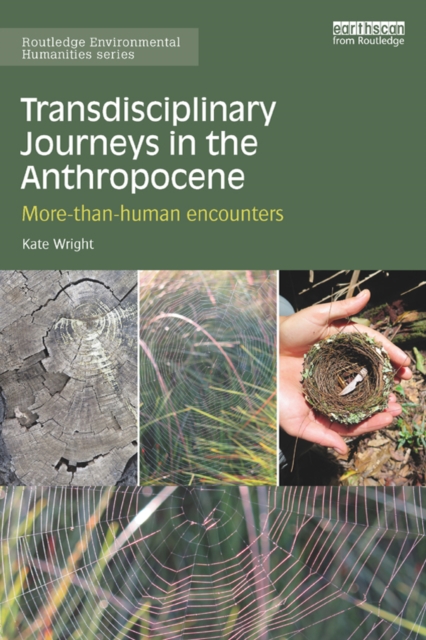
Transdisciplinary Journeys in the Anthropocene offers a new perspective on international environmental scholarship, focusing on the emotional and affective connections between human and nonhuman lives to reveal fresh connections between global issues of climate change, species extinction and colonisation.
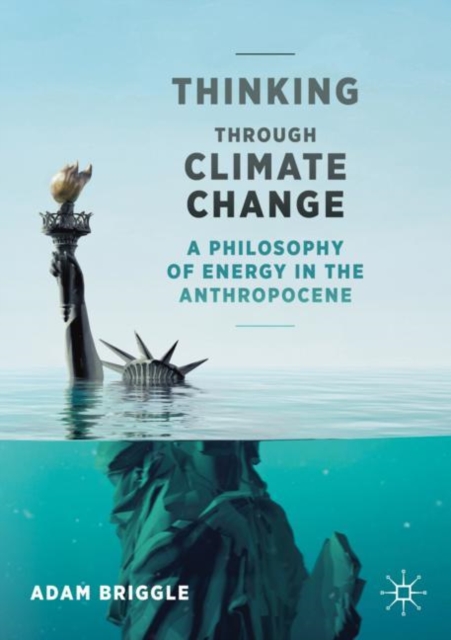
In this creative exploration of climate change and the big questions confronting our high-energy civilization, Adam Briggle connects the history of philosophy with current events to shed light on the Anthropocene (the age of humanity).
This book explores the interconnections between world politics and non-human nature to overcome the anthropocentric boundaries that characterize the field of international relations.
This book explores the moving qualities of mountains by utilising theories, ideas and processes which contribute to a larger understanding of these geological forms.
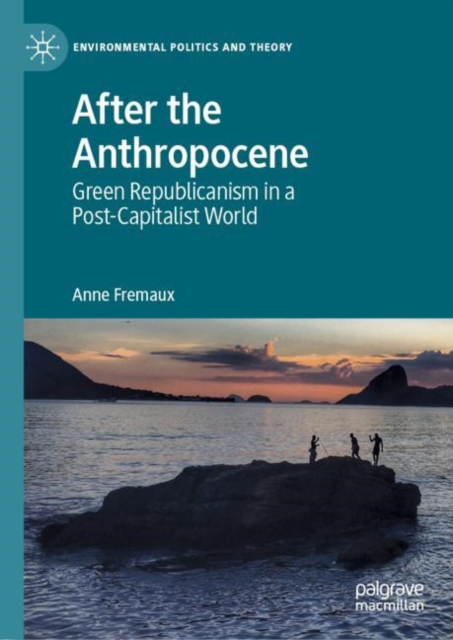
From disappearing coral reefs and ocean acidification to floating great garbage patches, the Pacific Ocean is an ever-present reminder of the Anthropocene.
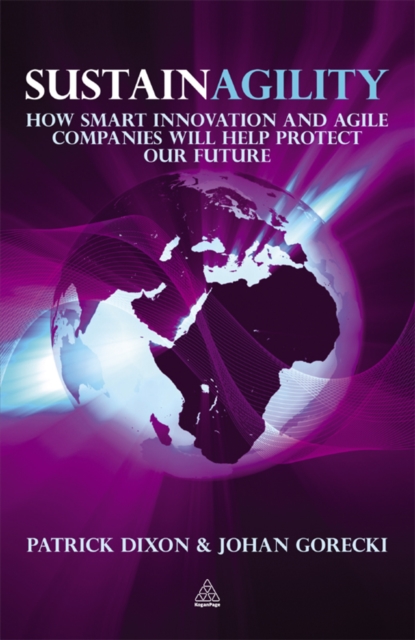
Sustainagility is about the ability to solve some of the world's most complex sustainability challenges with rapidly evolving business innovations, applications, methods, products and processes, adapted to changing situations.
Blending memoir, cultural history, and a literary perspective, Facing It bears witness to controversies like Tellico and Chernobyl, global warming and local drought.
This book explores the strong links between sustainability and the humanities, which go beyond the inclusion of social sciences in discussions on sustainability, and offers a holistic discussion on the intellectual and moral aspects of sustainable development.
This collection responds to widespread, complex, and current environmental challenges by presenting eleven original essays on a new elemental-embodied approach in environmental humanities.
This book pursues an investigation at the intersection of philosophy of physics and philosophy of language, and offers a critical analysis of rival explanations of the semantic facts of quantum mechanics.
Many contemporary commentators present a damning account of the current state of higher education, to the extent that our universities may be considered to be broken.
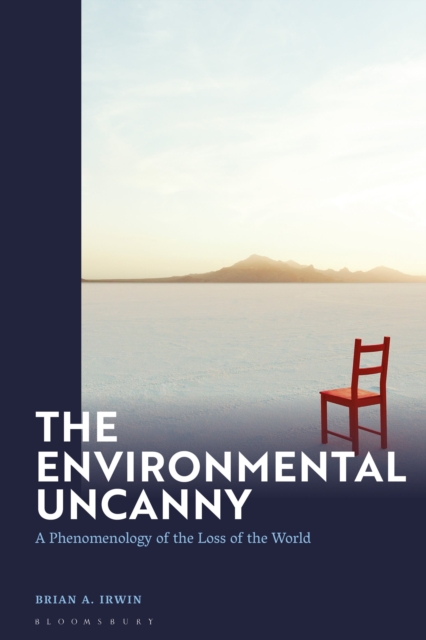
The Environmental Uncanny argues that the increasing destitution of our world is the result of a certain forgetfulness: we have forgotten that the basis of our knowledge is not calculative reason, but our participation in the natural world.
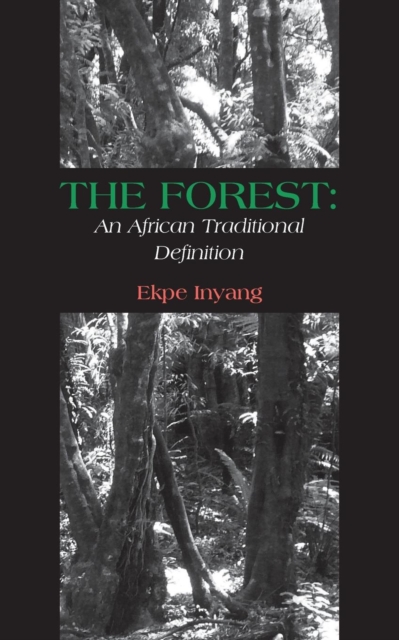
In spite of its surging popularity with scholars and environment conservation and management aid experts, scientific environmental epistemology does not seem to be the answer to the forestry and environmental problems that Africa is facing.
The Forest: An African Traditional Definition is aimed at providing the conservationist with some basic ideas as to which cultural areas to explore (using a few African cultures,from some ecologically and culturally rich forest zones of Cameroon that has earned the description of Africa in miniature due to its diversity and representativeness of ecological and cultural landscape that reflect the continent,for illustration) in order to direct him or her to the appropriate beliefs and customs that could be exploited in favour of conservation.
Hosting Earth is a timely and much-needed volume in the emerging literature of environmental philosophy, drawing upon art, science, and politics to explore alternatives to the traditional domination of nature by humans.
In terms of China's current situation, the prevention and control of land degradation and the development of innovative sustainable land management activities lie within the purview of public works.
Reflecting the currently growing eco-movement, this book presents to western readers Tao Yuanming, an ancient Chinese poet, as a representative of classical oriental natural philosophy who offered lived experience of "e;dwelling poetically on earth.
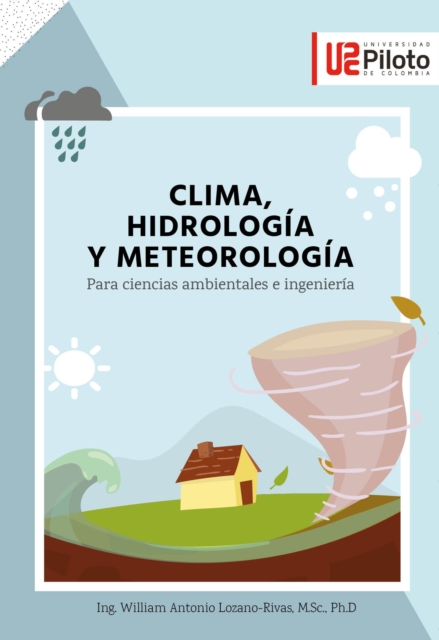
Clima, hidrologia y meteorologia combina de manera novedosa, tanto para zonas rurales como urbanas, las siguientes tematicas de estudio: la atmosfera, sus manifestaciones meteorologicas y climaticas, la incidencia de los fenomenos atmosfericos en el ciclo del agua y en la hidrologia aplicada a las obras hidraulicas.
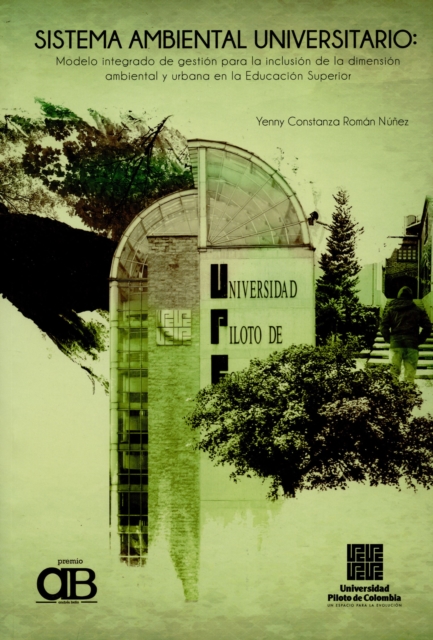
Este libro es resultado de la investigación titulada Sistema Ambiental Universitario (2012-2013), que deriva, en parte de los productos generados del convenio interadministrativo firmado entre la Secretaría Distrital de Ambiente y la Universidad Piloto de Colombia (2007-2008),con el objeto de construir los lineamientos básicos para la inclusión de la dimensión ambiental en la Educación Superior, a partir del diagnóstico y análisis participativo de las experiencias de siete universidades de Bogotá, articulando las tres funciones sustantivas de la Universidad: la Academia, la Investigación y la Proyección Social.
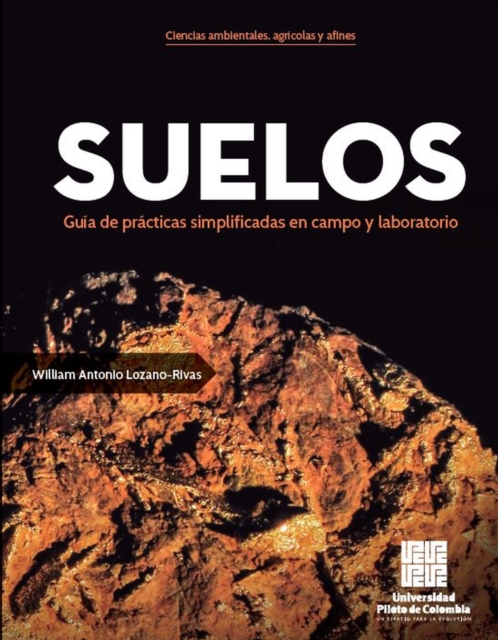
Este libro ha sido desarrollado como una guia sencilla para la elaboracion de practicas de suelo, tanto en campo como en laboratorio, usando metodos simples con los que se puede prescindir de espacios especializados para estos analisis.
Este libro es un compendio de reflexiones abiertas, a veces controvertidas y, en otros, un tanto cargados de ironía y desparpajo, que invitan al lector a la indagación, el análisis y la adopción de posturas críticas y constructivas que permitan nuevas formas de entender lo ambiental.