The Ecophobia Hypothesis grows out of the sense that while the theory of biophilia has productively addressed ideal human affinities with nature, the capacity of "e;the biophilia hypothesis"e; as an explanatory model of human/ environment relations is limited.
The Ecophobia Hypothesis grows out of the sense that while the theory of biophilia has productively addressed ideal human affinities with nature, the capacity of "e;the biophilia hypothesis"e; as an explanatory model of human/ environment relations is limited.
Environmental policy agendas, activism and academic research into ecological questions are all predominantly derived from the philosophical perspectives of the West.
Environmental policy agendas, activism and academic research into ecological questions are all predominantly derived from the philosophical perspectives of the West.
Although the religious and ethical consideration of food and eating is not a new phenomenon, the debate about food and eating today is distinctly different from most of what has preceded it in the history of Western culture.
Although the religious and ethical consideration of food and eating is not a new phenomenon, the debate about food and eating today is distinctly different from most of what has preceded it in the history of Western culture.
Wild Anthropocene examines four key areas-the politics of deep time, neoliberalism's socio-ecological impacts, global population growth and inter-species entanglement-to demonstrate how literature illuminates progressive solutions to Anthropocene challenges.
The goal of Sustainable Human and Environmental Systems (SHES) education is to prepare students to facilitate social learning in communities that builds knowledge of, capacity for, and commitment to sustainability to facilitate the emergence of sustainable societies.
The goal of Sustainable Human and Environmental Systems (SHES) education is to prepare students to facilitate social learning in communities that builds knowledge of, capacity for, and commitment to sustainability to facilitate the emergence of sustainable societies.
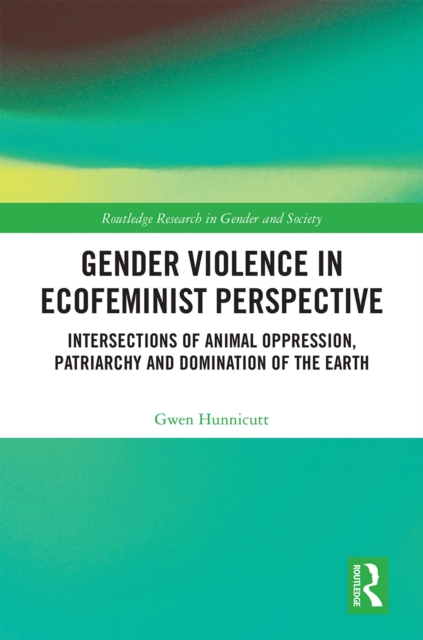
This book aims to begin an eco-centered, eco-feminist informed discussion about the ways in which our relationship to "e;nature"e; is bound up with gender, patriarchy, and violence.
This book aims to begin an eco-centered, eco-feminist informed discussion about the ways in which our relationship to "e;nature"e; is bound up with gender, patriarchy, and violence.
Presenting a novel and needed theoretical model for interpreting shipwrecks and other drowned fragments-the histories they tell, and the futures they presage-as junctures of artefact and ecofact, human remains and emergent ecologies, this book puts the environmental humanities, and particularly multispecies studies, in close conversation with literary studies, history, and aesthetic theory.
Presenting a novel and needed theoretical model for interpreting shipwrecks and other drowned fragments-the histories they tell, and the futures they presage-as junctures of artefact and ecofact, human remains and emergent ecologies, this book puts the environmental humanities, and particularly multispecies studies, in close conversation with literary studies, history, and aesthetic theory.
The Philosophy of Matter is a journey in thinking through the material fate of the earth itself; its surfaces and undercurrrents, ecologies, environments and irreparable cracks.
The Philosophy of Matter is a journey in thinking through the material fate of the earth itself; its surfaces and undercurrrents, ecologies, environments and irreparable cracks.
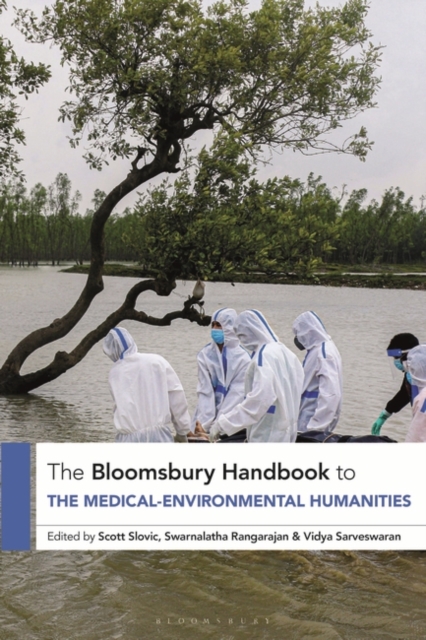
Bringing together two parallel and occasionally intersecting disciplines - the environmental and medical humanities - this field-defining handbook reveals our ecological predicament to be a simultaneous threat to human health.
Bringing together two parallel and occasionally intersecting disciplines - the environmental and medical humanities - this field-defining handbook reveals our ecological predicament to be a simultaneous threat to human health.
Harnessing new enthusiasm for Nan Shepherd's writing, The Living World asks how literature might help us reimagine humanity's place on earth in the midst of our ecological crisis.
Harnessing new enthusiasm for Nan Shepherd's writing, The Living World asks how literature might help us reimagine humanity's place on earth in the midst of our ecological crisis.
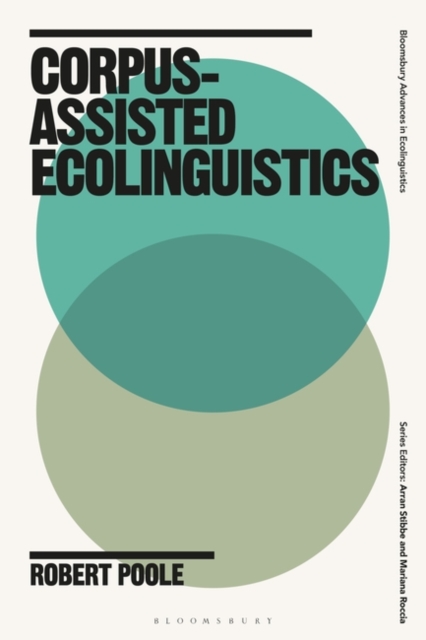
Corpus-Assisted Ecolinguistics introduces and integrates key research concepts, principles and techniques in ecolinguistics and corpus-assisted discourse study, answering foundational questions for researchers new to the discipline and asserting the urgent need to expand its scope.
Corpus-Assisted Ecolinguistics introduces and integrates key research concepts, principles and techniques in ecolinguistics and corpus-assisted discourse study, answering foundational questions for researchers new to the discipline and asserting the urgent need to expand its scope.
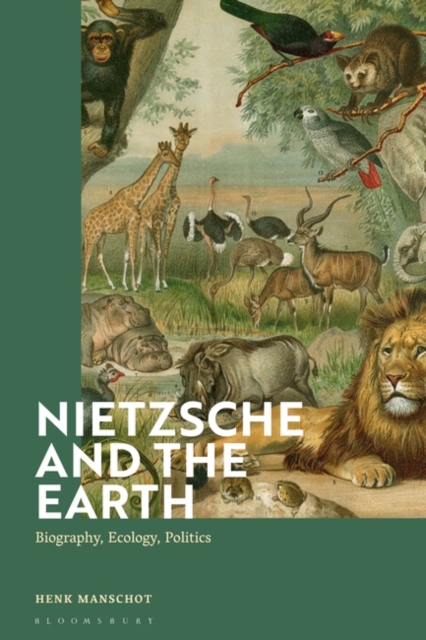
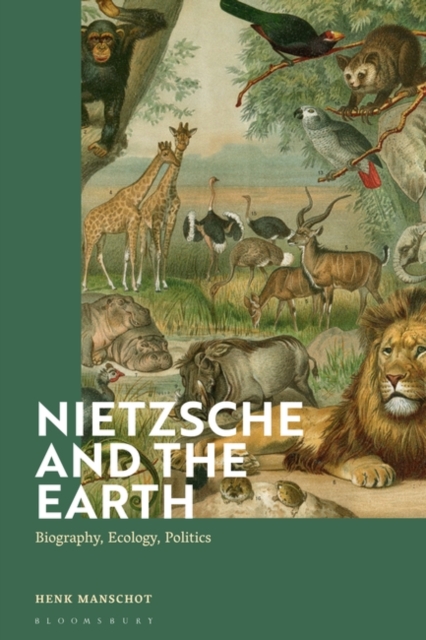
Friedrich Nietzsche (1844-1900) loved nature and his daily walks in the Swiss Mountains and by the Mediterranean Sea heavily influenced his writing, and particularly his most famous book, Thus Spoke Zarathustra.
Friedrich Nietzsche (1844-1900) loved nature and his daily walks in the Swiss Mountains and by the Mediterranean Sea heavily influenced his writing, and particularly his most famous book, Thus Spoke Zarathustra.
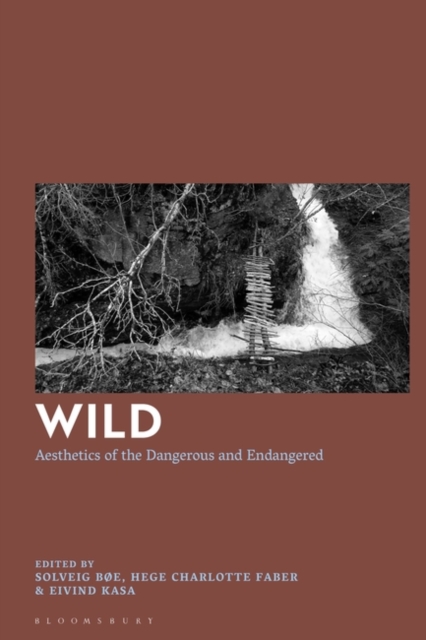
In this interdisciplinary work, philosophers from different specialisms connect with the notion of the wild today and interrogate how it is mediated through the culture of the Anthropocene.
In this interdisciplinary work, philosophers from different specialisms connect with the notion of the wild today and interrogate how it is mediated through the culture of the Anthropocene.
This volume presents the concepts of schizoanalysis and ecosophy as Felix Guattari and Gilles Deleuze understood them, in interviews and analyses by their contemporaries and followers.