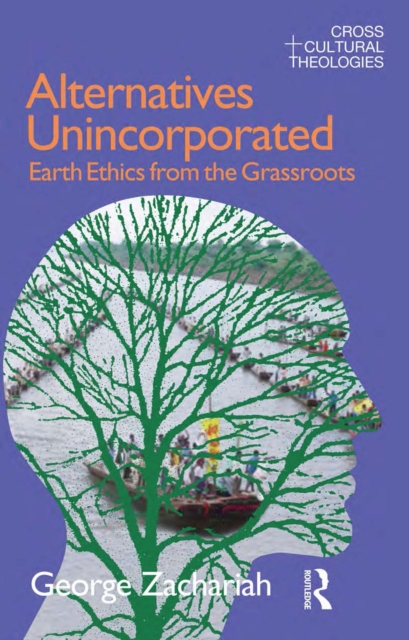
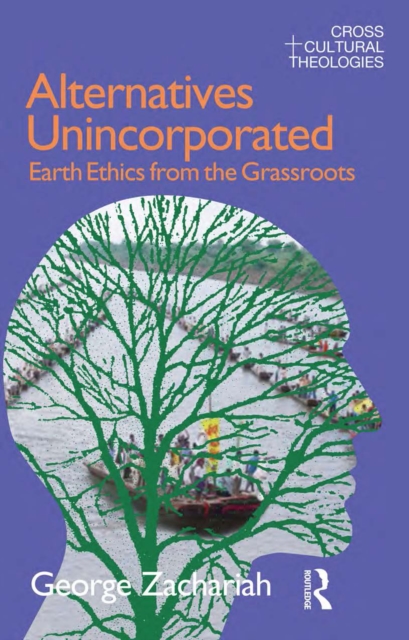
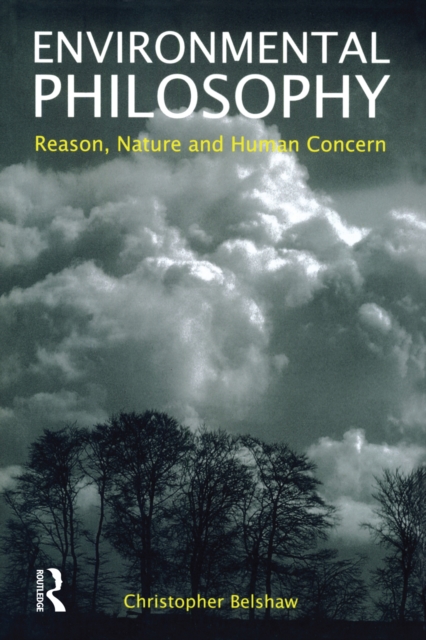
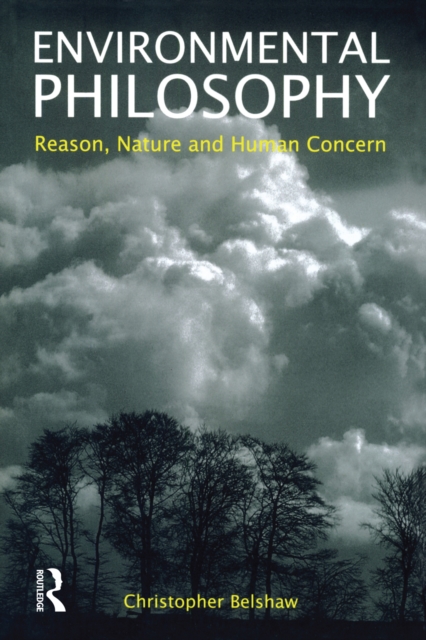
This volume presents the concepts of schizoanalysis and ecosophy as Felix Guattari and Gilles Deleuze understood them, in interviews and analyses by their contemporaries and followers.
In the course of more than twenty works François Laruelle has developed one of the most singular and unique ways of thinking within contemporary philosophy.
In the course of more than twenty works François Laruelle has developed one of the most singular and unique ways of thinking within contemporary philosophy.
This work introduces the reader to the central issues and theories in western environmental ethics, and against this background develops a Buddhist environmental philosophy and code of ethics.
Our current ecological crisis-featuring problems such as climate change, ocean acidification, and mass extinction-raises various moral issues, including a high probability of injustice and massive harm.
Presupposing no prior knowledge of philosophy, John Benson introduces the fundamentals of environmental ethics by asking whether a concern with human well-being is an adequate basis for environmental ethics.
Presupposing no prior knowledge of philosophy, John Benson introduces the fundamentals of environmental ethics by asking whether a concern with human well-being is an adequate basis for environmental ethics.
The liberal political theorist John Rawls, despite remaining largely silent on 'green concerns', was writing during a time of increasing awareness that the ecological stability of the earth is being compromised by human activity.
This book argues that the standard arguments for and against the claim that certain Hindu texts and traditions attribute direct moral standing to animals and plants are unconvincing.
This book argues that the standard arguments for and against the claim that certain Hindu texts and traditions attribute direct moral standing to animals and plants are unconvincing.
A study of the increasingly precarious relationship between humans and nature, this book seeks to go beyond work already contributed to the environmental movement.
A study of the increasingly precarious relationship between humans and nature, this book seeks to go beyond work already contributed to the environmental movement.
Terrestrial Biosphere tries to pose the questions which underlie the many-sided debate of how to respond to and influence change: How should we view nature?
Terrestrial Biosphere tries to pose the questions which underlie the many-sided debate of how to respond to and influence change: How should we view nature?
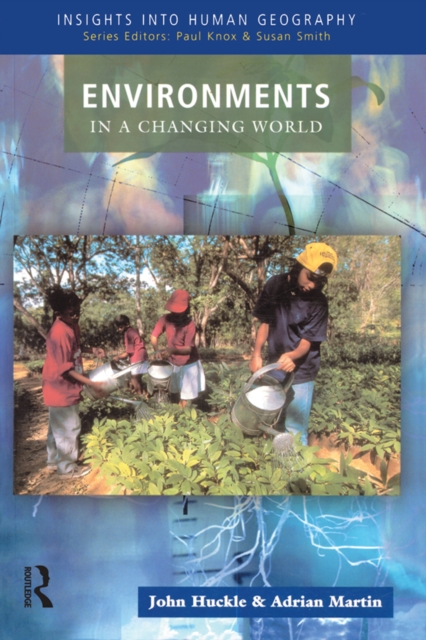
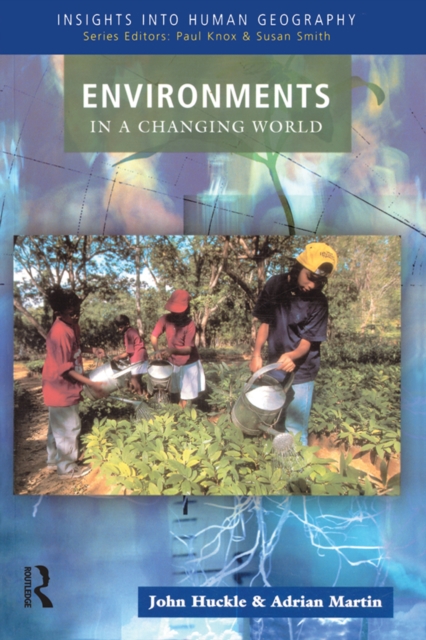
While there is no shortage of of books on the environment there are few introductory texts that outline the social theory that informs human geographical approaches to the interactions between ecology and society.
While there is no shortage of of books on the environment there are few introductory texts that outline the social theory that informs human geographical approaches to the interactions between ecology and society.
First published in 1991, this title provides a comprehensive and objective account of the basis of 'green' arguments and their social and political implications.
First published in 1991, this title provides a comprehensive and objective account of the basis of 'green' arguments and their social and political implications.
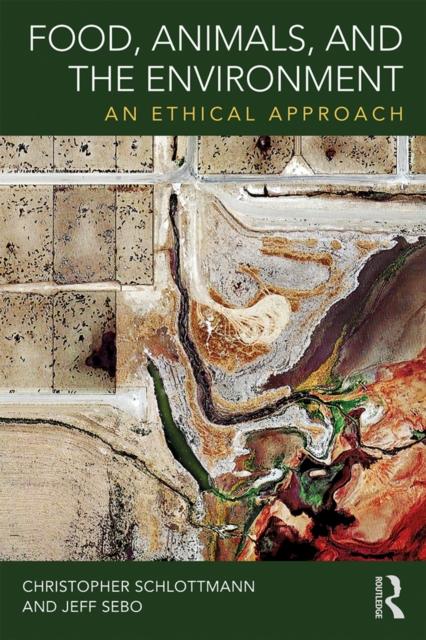
Food, Animals, and the Environment: An Ethical Approach examines some of the main impacts that agriculture has on humans, nonhumans, and the environment, as well as some of the main questions that these impacts raise for the ethics of food production, consumption, and activism.
Food, Animals, and the Environment: An Ethical Approach examines some of the main impacts that agriculture has on humans, nonhumans, and the environment, as well as some of the main questions that these impacts raise for the ethics of food production, consumption, and activism.
Broad in scope, this introduction to environmental ethics considers both contemporary issues and the extent of humanitys responsibility for distant future life.
Broad in scope, this introduction to environmental ethics considers both contemporary issues and the extent of humanitys responsibility for distant future life.
Decades before the environmental movement emerged in the 1960s, Adorno condemned our destructive and self-destructive relationship to the natural world, warning of the catastrophe that may result if we continue to treat nature as an object that exists exclusively for our own benefit.
Decades before the environmental movement emerged in the 1960s, Adorno condemned our destructive and self-destructive relationship to the natural world, warning of the catastrophe that may result if we continue to treat nature as an object that exists exclusively for our own benefit.
'Voices of Feminist Liberation' brings together a wide range of scholars to explore the work of Rosemary Radford Ruether, one of the most influential feminist and liberation theologians of our time.
'Voices of Feminist Liberation' brings together a wide range of scholars to explore the work of Rosemary Radford Ruether, one of the most influential feminist and liberation theologians of our time.
This introduction to the philosophy of the environment examines current debates on how we should think about the natural world and our place within it.
This introduction to the philosophy of the environment examines current debates on how we should think about the natural world and our place within it.
It is often claimed by environmental philosophers and green political theorists that liberalism, the dominant tradition of western political philosophy, is too focused on the interests of human individuals to give due weight to the environment for its own sake.
It is often claimed by environmental philosophers and green political theorists that liberalism, the dominant tradition of western political philosophy, is too focused on the interests of human individuals to give due weight to the environment for its own sake.
Drawing on an unusually rich empirical base, this timely and compelling book examines how environmental values are constructed and legitimized within the policy process.
Drawing on an unusually rich empirical base, this timely and compelling book examines how environmental values are constructed and legitimized within the policy process.
This powerful book provides the first comprehensive overview of the intellectual roots of the worldwide environmental movement - from ancient religions and philosophies to modern science and ethics - and synthesizes them into a new philosophy of nature in which to ground our moral values and social action.
This powerful book provides the first comprehensive overview of the intellectual roots of the worldwide environmental movement - from ancient religions and philosophies to modern science and ethics - and synthesizes them into a new philosophy of nature in which to ground our moral values and social action.
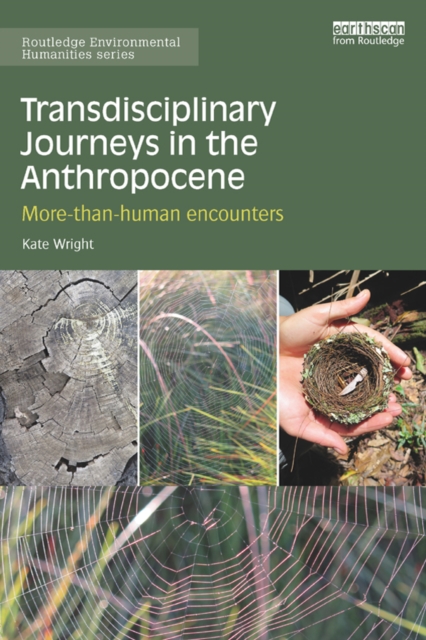
Transdisciplinary Journeys in the Anthropocene offers a new perspective on international environmental scholarship, focusing on the emotional and affective connections between human and nonhuman lives to reveal fresh connections between global issues of climate change, species extinction and colonisation.