The fact that filling of an artificial water reservoir could alter the earthquake occurrence in the vicinity of a reservoir was scientifically established way back in 1939 when enhanced earthquake occurrence in the vicinity of Lake Mead, Colorado, USA was related with the filling of the Hoover Dam.
A critical and ethnographic exploration of wildfire management in Australia, one of Earth's most fire-prone countries, Timothy Neale's How to Control Fire on a Burning Continent critiques the colonial logics of control deployed to manage unruly environments and explores alternative forms of environmental stewardship.
GIS for Critical Infrastructure Protection highlights the GIS-based technologies that can be used to support critical infrastructure protection and emergency management.
In the tradition of The Perfect Storm and Into Thin Air, Rachel Slade's Into the Raging Sea is a nail-biting account of the sinking of the container ship El Faro, the crew of thirty-three who perished onboard, and the destructive forces of globalisation that put the ship in harm's way.
Texto que promueve la ciudad de Concepción como un polo de desarrollo de investigación en tsunamis, presentando su historia, crecimiento y proyección futura bajo la influencia de estos fenómenos, a través de un análisis multidisciplinario.
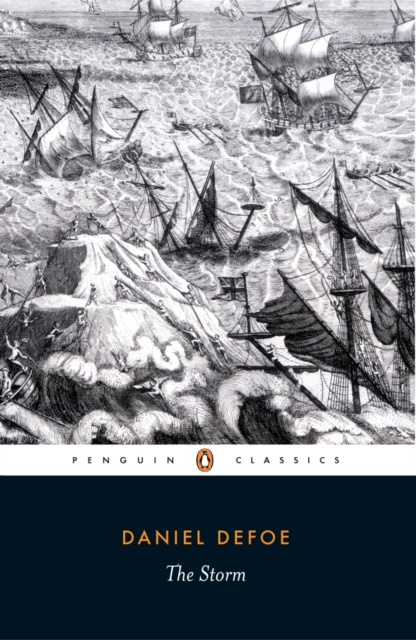
On the evening of 26th November 1703, a cyclone from the north Atlantic hammered into southern Britain at over seventy miles an hour, claiming the lives of over 8,000 people.
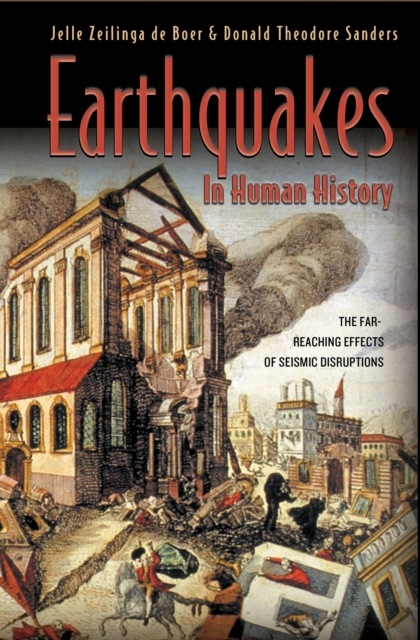
For thousands of years, earthquakes have terrified human beings—seen first as the footsteps of angry gods, the rage of monstrous serpents beneath the earth, or the punishment of forgotten sins.
The Damodar River Basin (DRB), one of the most populated regions of the world, exerts huge pressure on land through different kinds of human interventions like the construction of the Damodar Valley Corporation (DVC) and environmental flow alterations.

This book highlights the vivid application of remote sensing and related advanced technologies to study the diverse landscape, natural resources, infrastructure, and environment in the north eastern Himalayan ecosystem in general and the north eastern region of India in particular.

The case of Chile is illustrative of a transition from command and control to market-based management policies, where economic incentives play a significant role in water management.
Machine Learning in Geohazard Risk Prediction and Assessment: From Microscale Analysis to Regional Mapping presents an overview of the most recent developments in machine learning techniques that have reshaped our understanding of geo-materials and management protocols of geo-risk.