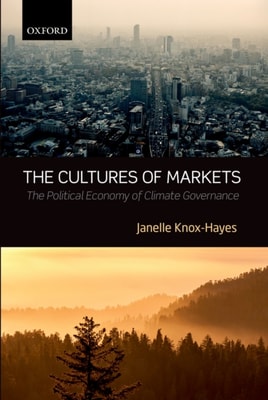
The fruit of twenty years of moral reflection on the emerging greatest challenge to humanity of the 21st century, these far-sighted and influential essays by a pioneering practical philosopher on the tangled questions of justice between nations and justice across generations confronting all attempts at international cooperation in controlling climate change sharply crystallize the central choices and offer constructive directions forward.
The fruit of twenty years of moral reflection on the emerging greatest challenge to humanity of the 21st century, these far-sighted and influential essays by a pioneering practical philosopher on the tangled questions of justice between nations and justice across generations confronting all attempts at international cooperation in controlling climate change sharply crystallize the central choices and offer constructive directions forward.
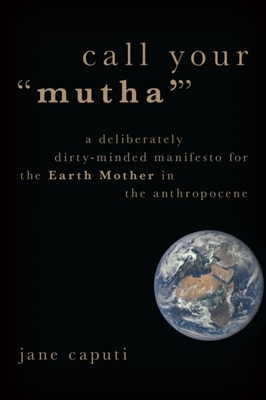
The ecocide and domination of nature that is the Anthropocene does not represent the actions of all humans, but that of Man, the Western and masculine identified corporate, military, intellectual, and political class that long has masked itself as the civilized and the human.
The ecocide and domination of nature that is the Anthropocene does not represent the actions of all humans, but that of Man, the Western and masculine identified corporate, military, intellectual, and political class that long has masked itself as the civilized and the human.
The insurance industry has found itself at the front line of climate change challenges, providing insurance cover in relation to risks associated with climate change.
THE TIMES BEST HISTORY BOOK OF 2023A BOOK OF THE YEAR PICK FOR THE TIMES, SUNDAY TIMES, BBC HISTORY MAGAZINE, GUARDIAN, INDEPENDENT AND FINANCIAL TIMESA BBC RADIO 4 BOOK OF THE WEEK | AN INSTANT #2 SUNDAY TIMES BESTSELLER'Humanity has transformed the Earth: Frankopan transforms our understanding of history' Financial Times'Vast, learned and timely work' Sunday Times------From the international bestselling author of The Silk Roads comes a major history of how a changing climate has dramatically shaped the development-and demise-of civilisations across time.
This revealing book synthesizes research from many fields to offer the first complete history of the roles played by weather and climate in American life from colonial times to the present.
This revealing book synthesizes research from many fields to offer the first complete history of the roles played by weather and climate in American life from colonial times to the present.
The first World Climate Conference, which was sponsored by the World Meteorological Organization in Geneve in 1979, triggered an international dialogue on global warming.
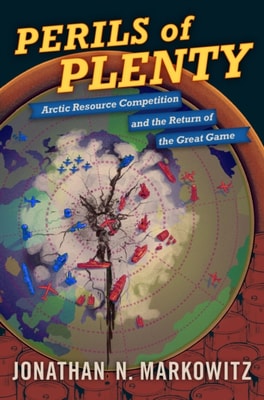
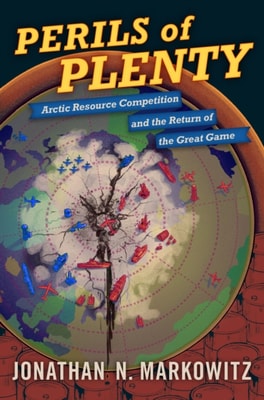
Among scholars who focus on the politics of natural resources, conventional wisdom asserts that resource-scarce states have the strongest interest in securing control over resources.
Among scholars who focus on the politics of natural resources, conventional wisdom asserts that resource-scarce states have the strongest interest in securing control over resources.
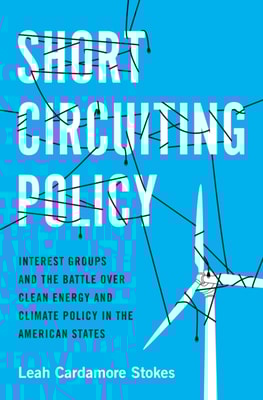
In 1999, Texas passed a landmark clean energy law, beginning a groundswell of new policies that promised to make the US a world leader in renewable energy.
In 1999, Texas passed a landmark clean energy law, beginning a groundswell of new policies that promised to make the US a world leader in renewable energy.
In No Standard Oil, environmental policy expert Deborah Gordon examines the widely varying climate impacts of global oils and gases, and proposes solutions to cut greenhouse gas emissions in this sector while making sustainable progress in transitioning to a carbon-free energy future.
In No Standard Oil, environmental policy expert Deborah Gordon examines the widely varying climate impacts of global oils and gases, and proposes solutions to cut greenhouse gas emissions in this sector while making sustainable progress in transitioning to a carbon-free energy future.
The NEW YORK TIMES BESTSELLERA radically new understanding of and practical approach to climate change by noted environmentalist and creator of Drawdown, Paul Hawken The dangers of climate change and a warming world have been in the public eye for fifty years.
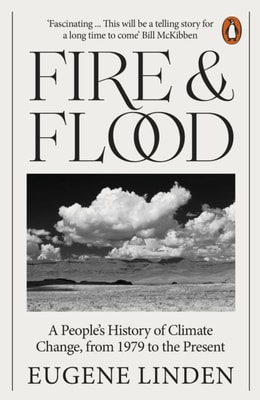
The definitive history of the modern climate change era, from an award-winning writer who has been at the centre of the fight for more than thirty yearsIn 1979, President Jimmy Carter was presented with the findings of scientists who had been investigating whether human activities might change the climate in harmful ways.
Through 140 drawings, thought experiments, recipes, activist instructions, gardening ideas, insurgences and personal revolutions, artists who spend their lives thinking outside the box guide you to a new worldview; where you and the planet are one.
The international bestseller that gives you the facts about climate changeWhen students David Nelles and Christian Serrer struggled to find a book that explained the nuts and bolts of climate change in a way that was comprehensive, concise and enjoyable to read, they decided to write it themselves.