This volume contains the invited papers presented as a symposium of The Phytochemical Society of North America which met for its annual meeting at the Asilomar Conference Center, Pacific Grove, California on June 12-16, 1985.
This collection of notes was assembled as a supplement and guide to a five-day short course presented at the University of California at Berkeley, September 22-26, 1969.
International concern in scientific, industrial, and governmental communi- ties over traces of xenobiotics in foods and in both abiotic and biotic envi- ronments has justified the present triumvirate of specialized publications in this field: comprehensive reviews, rapidly published research papers and progress reports, and archival documentations.
International concern in scientific, industrial, and governmental communi- ties over traces of xenobiotics in foods and in both abiotic and biotic en- vironments has justified the present triumvirate of specialized publications in this field: comprehensive reviews, rapidly published research papers and progress reports, and archival documentations.
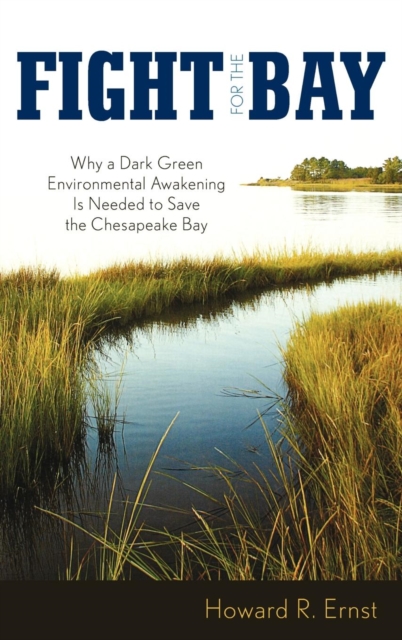
The decision to build a nuclear power plant at Calvert Cliffs on the western shore of the Chesapeake Bay in southern Maryland resulted in a Iandmark legal decision (Calvert Cliffs Coordinating Committee vs Atomic Energy Commission) and began one ofthe mostintensive long-term studies ever carried out in an American estuarine system.
The present volume contains the majority of the papers presented at the Second Pan-American Biodeterioration Society Meeting held at The George Washington University, Washington, D.
This book contains the papers and discussions from the symposium, "e;PARTICU- LATE CARBON: Atmospheric Life Cycle,"e; held at the General Motors Research Laboratories on October 13-14, 1980.
This volume documents the proceedings of the Symposium on Emissions from Continuous Combustion Systems that was held at the General Motors Research Laboratories, Warren, Michigan on September 27 and 28, 1971.
This series is dedicated to serving the growing community of scholars and practitioners concerned with the principles and applications of environmental management.
Engineers have applied science to land people on the moon, design the cars we drive, and cram the power of a 20th-century supercomputer into the phones we carry.
Mounting scientific evidence shows that Earth's climate is dramatically changing due to the greenhouse emissions caused by human activities, notably by burning fossil fuels for energy production and transport.
With contributions from an impressive group of Argentinean and German oceanographers, this book examines classical ecological issues relating to marine ecosystems in the context of climate change.
The world is undergoing major transitions due to changes in three driving forces-population, climate, and energy resources-making it essential for us to achieve sustainability in the implementation of projects and programs as well as our everyday life.
The ongoing changes in population, climate, and the availability of energy have resulted in unprecedented threats and opportunities that all project and program managers, portfolio managers, and public planners need to be aware of.
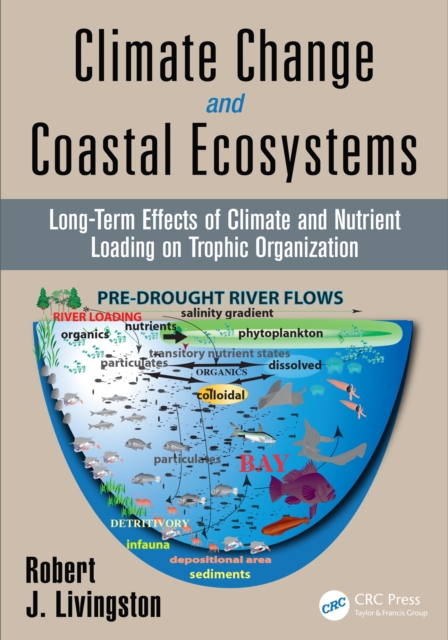
Produced by a Leading Aquatic ScientistA narrative account of how estuaries around the world are being altered by human forces and human-induced global climate changes, Climate Change and Coastal Ecosystems: Long-Term Effects of Climate and Nutrient Loading on Trophic Organization chronicles a more than 40-year-old research effort conducted by Dr.
Since the second edition of this text was published, many new environmental incidents have occurred, including another nuclear disaster, a mine disaster in the United States, and the Gulf of Mexico oil spill.
The effects of climate change can already be felt around the world, and they will likely impact all facets of human civilization-from health, livelihood security, agricultural production, and shelter to international trade.
At an increasingly global scale, aquatic scientists are heavily entrenched in understanding the fate of marine ecosystems in the face of human-altered environments.
Hospital staff and caregivers are regularly exposed to biomechanical overload risk, particularly at spine and shoulder level, a risk factor that will continue to rise with the progressive aging of the population.
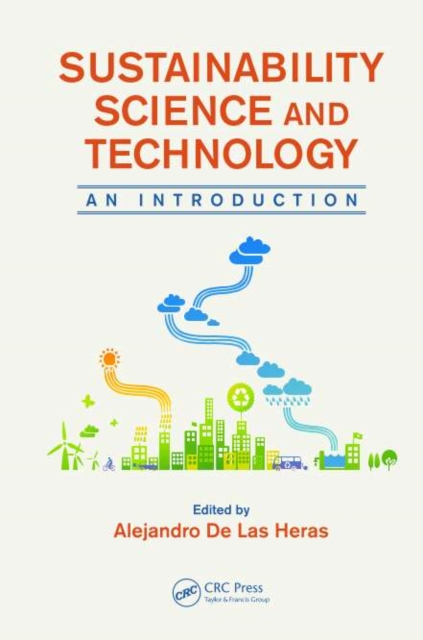
Sustainability Science and Technology: An Introduction explains the root causes of global failures in natural and human systems, as well as the most readily available technological solutions.
A Proactive Approach to Improving and Protecting the EnvironmentThe accumulation of pharmaceuticals in the environment is a growing concern, the magnitude of which has not been determined, yet cannot be ignored.
This book describes the laws of sustainable soil management to enhance ecosystem services while restoring degraded soils and promoting sustainable use.
This book presents a systematic approach to understanding and applying the principles of hydrology and hydroclimatology, examining the interactions among different components of the water cycle.
The ongoing changes in population, climate, and the availability of energy have resulted in unprecedented threats and opportunities that all project and program managers, portfolio managers, and public planners need to be aware of.
Reflecting the broad and interdisciplinary nature of toxicology, this third edition of Principles of Toxicology explores the biochemical, physiological, and environmental aspects of the subject.
Cutting across traditional subject boundaries, Principles of Ecotoxicology, Fourth Edition gives readers an integrated view of ecotoxicology, from molecules to ecosystems.
In this important new book on the declining health of one of America's leading environmental treasures, Howard Ernst reveals a Chesapeake bay that has become functionally dead.
The persistent organic pesticides have saved millions of lives by controlling human disease vectors and by greatly increasing the yields of agricultural crops.
That residues of pesticide and other contaminants in the total environ- ment are of concern to everyone everywhere is attested by the reception accorded previous volumes of "e;Residue Reviews"e; and by the gratifying enthusiasm, sincerity, and efforts shown by all the individuals from whom manuscripts have been solicited.
Concern about acid deposition, commonly referred to as acid rain, as a widespread pollution problem with severe ecological consequences has heightened public awareness.