The world is undergoing major transitions due to changes in three driving forces-population, climate, and energy resources-making it essential for us to achieve sustainability in the implementation of projects and programs as well as our everyday life.
Since 2009, international climate activism has focused on stopping coalmining in solidarity with local and Indigenous struggles that are resisting coalmining.
Woven together as a text of humanities-based environmental research outcomes, Himalayan Climes and Multispecies Encounters hosts a collection of historical and fieldwork-based case studies and conceptual discussions of climate change in the greater Himalayan region.
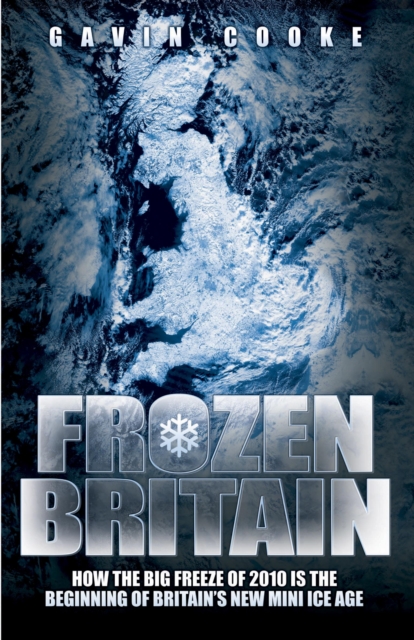
Climatologist Gavin Cooke takes a comprehensive and detailed look at global warming and the 'Big Freeze' of 2010 to explain how Britain will freeze before it fries.
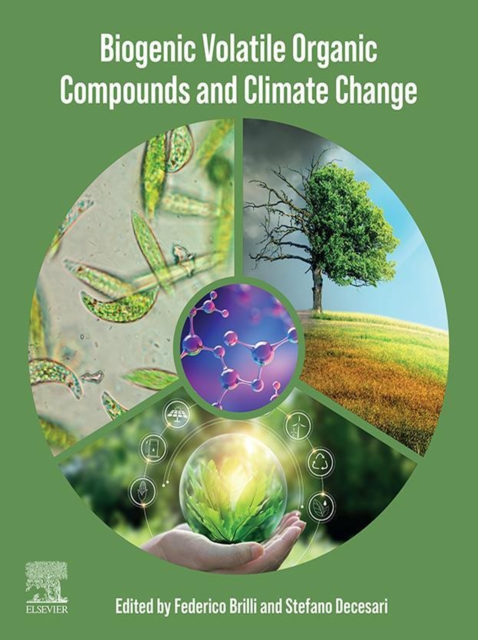
Biogenic Volatile Organic Compounds and Climate Change highlights the relationship between climate change and biogenic VOC and the impact they have on each other.
Biogenic Volatile Organic Compounds and Climate Change highlights the relationship between climate change and biogenic VOC and the impact they have on each other.
This book provides a snapshot of the manifestations of the climate emergency in the Philippines from a wide array of disciplines including physical sciences, social sciences, arts and humanities, management, and law.
Climate change is triggered by a too high concentration of greenhouse gases in the air, carbon dioxide in particular, primarily originating from fossil fuel-burning.
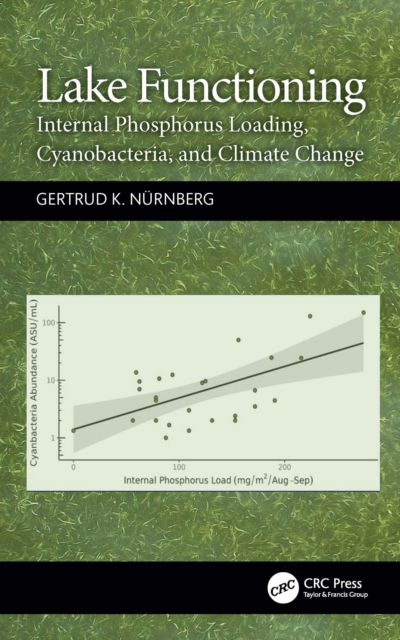
This book explores the interconnections of internal phosphorus loading, cyanobacteria, and climate change and their role in determining water quality in freshwater.
Emerging contaminants include an extensive array of synthetic chemicals in global use, such as plastic additives, microplastics, water disinfection byproducts, pharmaceuticals, man-made nanomaterials, and UV-filters.
This book will provide an important source of practical information on the history of toxicology, the ways in which pollutants reach model organisms used in toxicology, sampling methods for research, mechanisms of toxicity and responses of aquatic organisms to toxic agents, as well as the use of therapeutic agents in current approaches.
Climate change is triggered by a too high concentration of greenhouse gases in the air, carbon dioxide in particular, primarily originating from fossil fuel-burning.
'I love that I don't need to feel ashamed at my happiest, and that my joy no longer needs to go through a filter before it's ready to see the light of day'Laura Kate Dale and 15 other autistic authors from around the globe, open the door and invite you in to explore and celebrate the candid, uplifting and intimate moments of autistic joy.
Sustainability Beyond 2030: Trajectories and Priorities for Our Sustainable Future is an indispensable guide to understanding our planet's sustainability past, present, and future.
The environmental setting within the Central Sahara was subject to considerable changes during Late Quaternary, mainly driven by major global climate variations, although human impact increased constantly since Early Holocene.
The Routledge Handbook on Climate Change and Health System Sustainability takes the reader on a journey to understand the interconnectedness of human health, climate change, and healthcare systems.
This book aspires to establish a dialogue among the studies of sustainable development, global environmental politics, comparative regionalism, and area studies of Eurasia.
This book aims to focus on the current state of knowledge and scientific advances about the complex and intertwined issues of regenerative farming as a transformative solution for offsetting the disastrous climate effects of burning fossil fuels and impairments of natural resource bases.
This book is about oil and gas dynamics in the world's newest petro-powers-in-the-making, and the attempts to balance this against the impact of climate change.
This book aspires to establish a dialogue among the studies of sustainable development, global environmental politics, comparative regionalism, and area studies of Eurasia.
This book is about oil and gas dynamics in the world's newest petro-powers-in-the-making, and the attempts to balance this against the impact of climate change.
India is the third-largest emitter of greenhouse gases, which makes it an important player whose climate mitigation actions and inactions are closely scrutinised.
The Routledge Handbook on Climate Change and Health System Sustainability takes the reader on a journey to understand the interconnectedness of human health, climate change, and healthcare systems.
This book aims to focus on the current state of knowledge and scientific advances about the complex and intertwined issues of regenerative farming as a transformative solution for offsetting the disastrous climate effects of burning fossil fuels and impairments of natural resource bases.
This new handbook provides a platform to bring together multidisciplinary researchers focusing on greening high-density agglomerations from three perspectives: climate change, social implications, and people's health.
This companion investigates the philosophical and theoretical foundations determining the conditions of possibility and the limits that make the conservation, readaptation, and transformation of past buildings legitimate operations.
This book examines the ways in which indigeneity interacts with climate change politics at multiple levels and at the same time offers a self-critical reflection on the role of ethnographic research (and researchers) in this process.
This book establishes brand-new frame theory and technical implementation in data science, with a special focus on spatial-scale feature extraction, network dynamics, object-oriented analysis, data-driven environmental prediction, and climate diagnosis.
This book presents an overview of the field of environmental law and policies within the European Union (EU) and externally, from theoretical foundations to major issues and applied governance solutions.
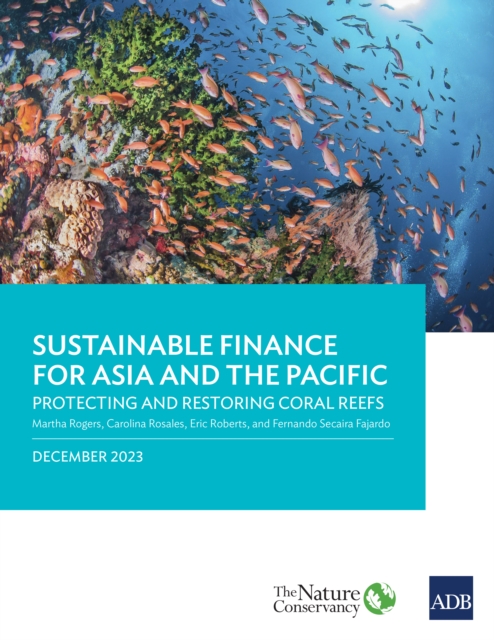
This report explores the benefits of Asia and the Pacific's coral reefs, outlines the myriad risks they face from climate change, pollution, and development, and considers how nature-positive investments can finance their protection and restoration.
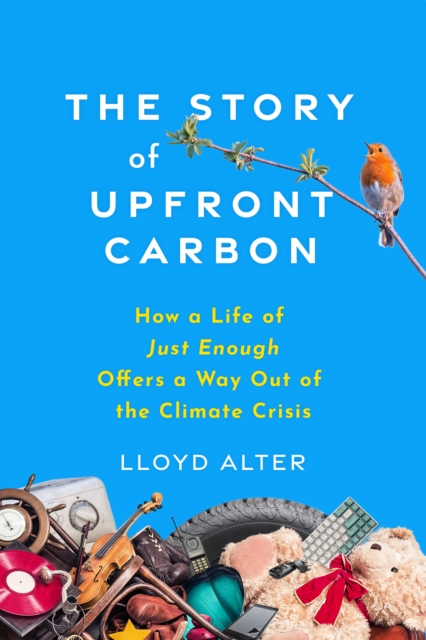
When you look at the world through the lens of upfront carbon, everything changes The astonishing upfront carbon of everyday objects from coffee cups to heat pumps, and why electric bikes, not electric cars, are the answer.