This book presents the inventive genius behind technological breakthroughs by ten global companies including Alcoa, DaimlerChrysler, Honda, ST Micro and Visteon.
THE SUNDAY TIMES BESTSELLER'Everyone should read this book' MATT HAIG'One of the most inspiring books I have ever read' YUVAL NOAH HARARI'Inspirational, compassionate and clear.
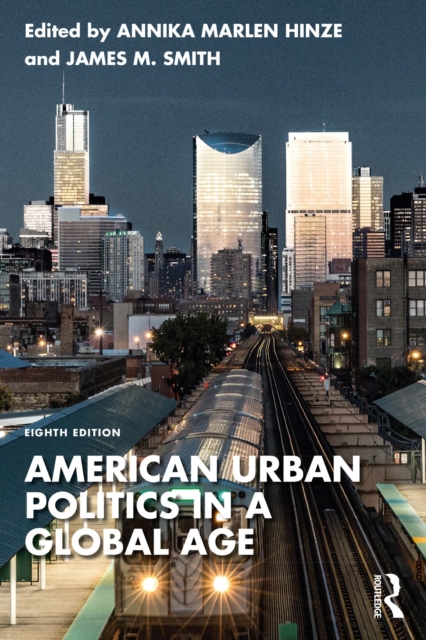
Bringing together a selection of readings that represent some of the most important trends and topics in urban scholarship today, American Urban Politics in a Global Age provides historical context and contemporary commentaries on the economy, politics, culture, and identity of American cities.
This book describes observed features of urban climate and its long-term variations as well as the relationship of climate to heat stroke in Japan, based on observational data and statistical analyses.
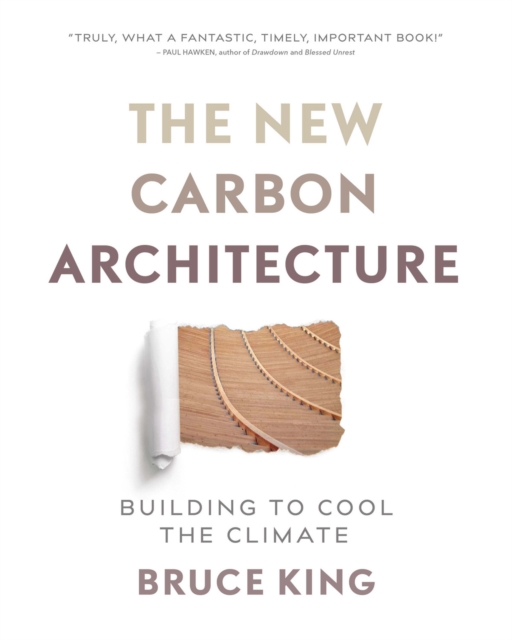
Soak up carbon into beautiful, healthy buildings that heal the climate "e;Green buildings"e; that slash energy use and carbon emissions are all the rage, but they aren't enough.
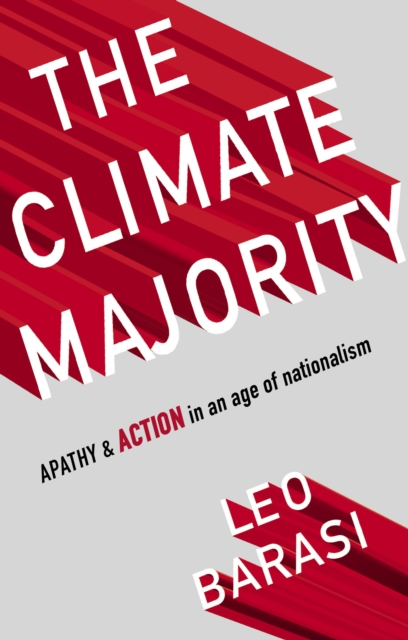
The Climate Majority is the first book to investigate climate apathy, to describe how it prevents action to stop climate change and to show how it can be beaten with an approach developed for political campaigns.
For readers of Madhouse at the End of the Earth, Endurance, and other seafaring adventure stories comes a thrilling account of a 21st-century Arctic mission.
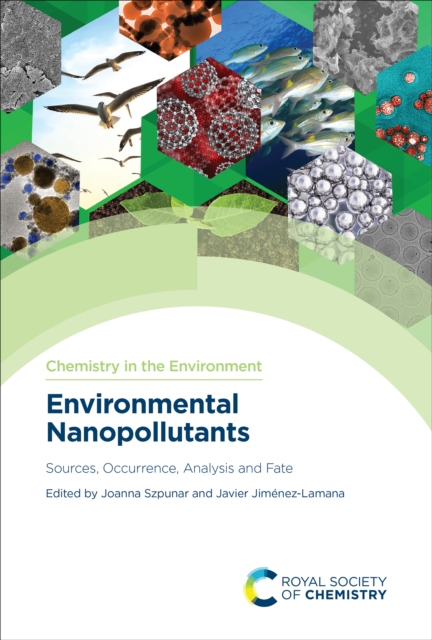
Nanopollutants are nanoparticles that have escaped into the environment and can include engineered nanoparticles as well as nanoparticles that are products of degradation (e.
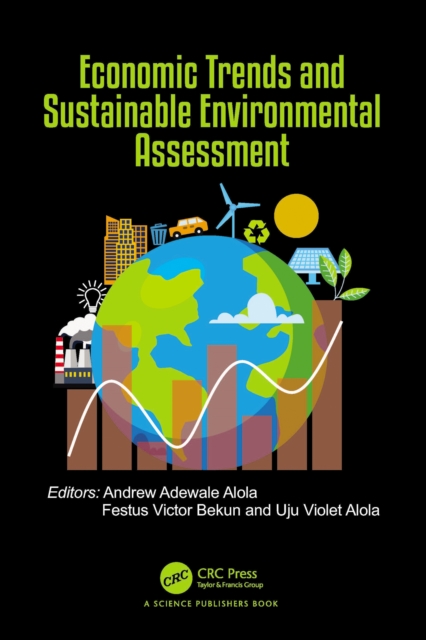
The book 'Economic Trends and Sustainable Environmental Assessment' attempts to x-ray the economic and socioeconomic activities, and cultural or behavioural aspects from the concept of sustainability by employing several related research scenarios spanning the micro-, meso-, and macro-level approaches.
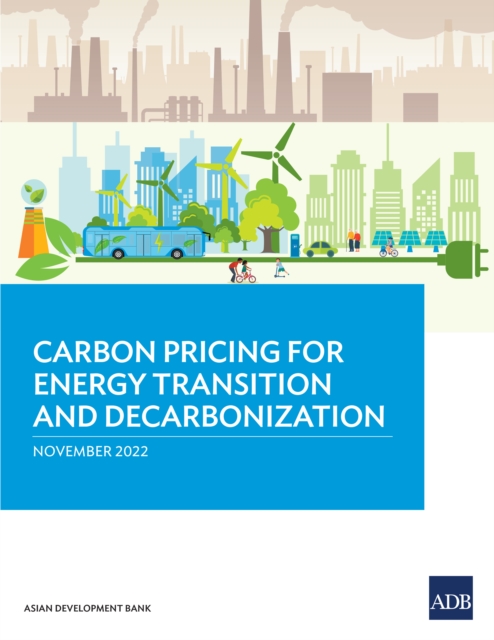
Carbon pricing is an integral element of the climate policy architecture that can help countries reduce emissions cost-effectively, achieve climate targets articulated under their nationally determined contributions, and raise ambition over time.
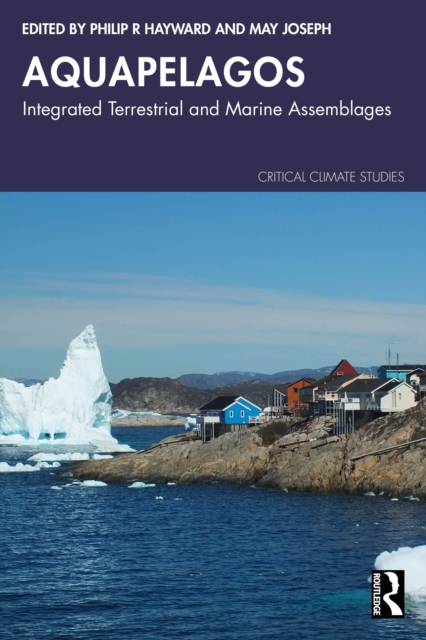
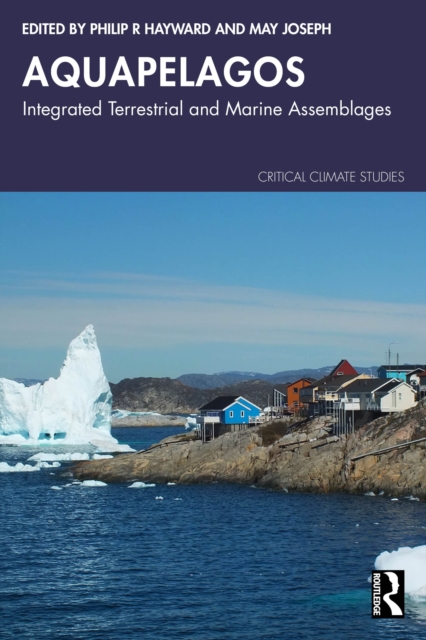
Aquapelagos is a cross-disciplinary volume that is geared to a general undergraduate and non-specialist readership while also being rigorous and theoretically exciting for doctoral and advanced researchers of climate and ocean studies.
A mitad de camino entre el ensayo y el libro de divulgación científica, Nuestro reto climático ofrece al lector de forma amena y comprensible todas las claves del mayor desafío al que jamás se ha enfrentado la humanidad: un rápido calentamiento global que lleva nuestra firma y al que resultará difícil adaptarse si no cambiamos profundamente nuestro modelo de sociedad.
Más allá de las ideas individuales, tres hechos son claros: el cambio climático es real, nos está causando problemas reales y tenemos herramientas reales para evitar que se agrave.
In the present global context, some countries still face many challenges to bringing about inclusive, efficient, and environmentally sustainable development.
This is the third edition of a now-renowned guide that provides an extensive account of the state of the aviation industry and the law that regulates it.
Aquapelagos is a cross-disciplinary volume that is geared to a general undergraduate and non-specialist readership while also being rigorous and theoretically exciting for doctoral and advanced researchers of climate and ocean studies.
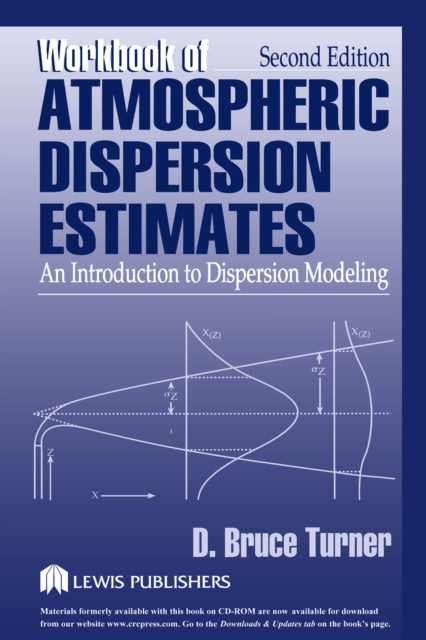
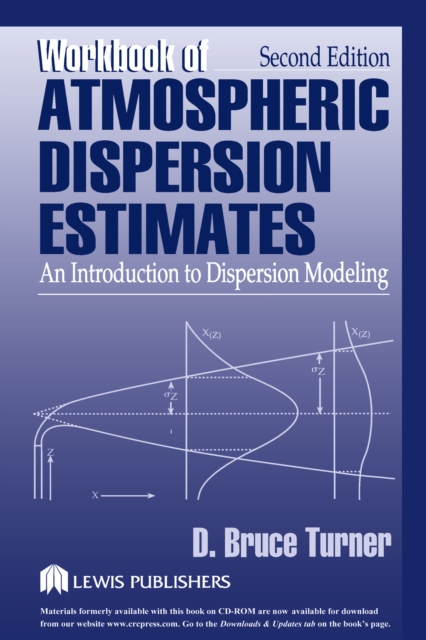
This completely updated and revised Second Edition of the popular Workbook of Atmospheric Dispersion Estimates provides an important foundation for understanding dispersion modeling as it is being practiced today.
This completely updated and revised Second Edition of the popular Workbook of Atmospheric Dispersion Estimates provides an important foundation for understanding dispersion modeling as it is being practiced today.