Urban Climate Change and Heat Islands: Characterization, Impacts, and Mitigation serves as a go to reference for a foundational understanding of urban-climate drivers and impacts.
Predicting Future Oceans: Sustainability of Ocean and Human Systems Amidst Global Environmental Change provides a synthesis of our knowledge of the future state of the oceans.
Chemical Modeling for Air Resources describes fundamental topics in chemical modeling and its scientific and regulatory applications in air pollution problems, such as ozone hole, acid rain, climate change, particulate matter, and other air toxins.
Global Navigation Satellite System (GNSS) monitoring of the atmosphere is an interdisciplinary topic: a collaboration between geodetic and atmospheric communities.
Human-induced climate change is emerging as one of the gravest threats to biodiversity in history, and while a vast amount of literature on the ecological impact of climate change exists, very little has been dedicated to the management of wildlife populations and communities in the wake of unprecedented habitat changes.
An energy revolution is under way with far-reaching consequences for nations, companies, and the way we address climate change Low oil prices are sending shockwaves through the global economy, and longtime industry observer Dieter Helm explains how this and other shifts are the harbingers of a coming energy revolution and how the fossil fuel age will come to an end.
This collection pulls together key documents from the scientific and political history of climate change, including congressional testimony, scientific papers, newspaper editorials, court cases, and international declarations.
Climate Impacts on Extreme Weather: Current to Future Changes on a Local to Global Scale presents fundamentals and advances in the science of weather and climate extremes, building on the existing knowledge by using regional and global case studies.
As scientific and observational evidence on global warming piles up every day, questions of economic policy in this central environmental topic have taken center stage.
An accessible synthesis of the prescient best seller exploring seventeenth-century catastrophe and the impact of climate change First published in 2013, Geoffrey Parker’s prize-winning best seller Global Crisis analyzes the unprecedented calamities—revolutions, droughts, famines, invasions, wars, and regicides—that befell the mid-seventeenth-century world and wiped out as much as one-third of the global population, and reveals climate change to be the root cause.
A thoughtful exploration of how humans have endangered the Earth but can pull it back from the brink, as told by a renowned conservationist This personal and thoughtful book by renowned Kenya conservationist David Western traces our global conquest from Maasai herders battling droughts in Africa to the technological frontiers of California.
This book captures the proceedings of the International Conference on Green Transformation in the Context of Global Change (GREEN 2024), organized by the School of Interdisciplinary Sciences and Arts, Vietnam National University, Hanoi.
The term "e;managerialism"e; is widely used not only in the world of business and government and this book details the theory behind the illusive idea.
Congress empowered the Environmental Protection Agency on the theory that only a national agency that is insulated from accountability to voters could produce the scientifically grounded pollution rules needed to save a careless public from its own filth.
A revelatory study of how climate change will affect individual economic decisions, and the broad impact of those choicesSelected by Publishers Weekly as one of its Top Ten books in Business and Economics for Spring 2021 It is all but certain that the next century will be hotter than any we've experienced before.
A leading environmental thinker takes a hard look at the obstacles and possibilities on the long road to sustainability This gripping, deeply thoughtful book considers future of civilization in the light of what we know about climate change and related threats.
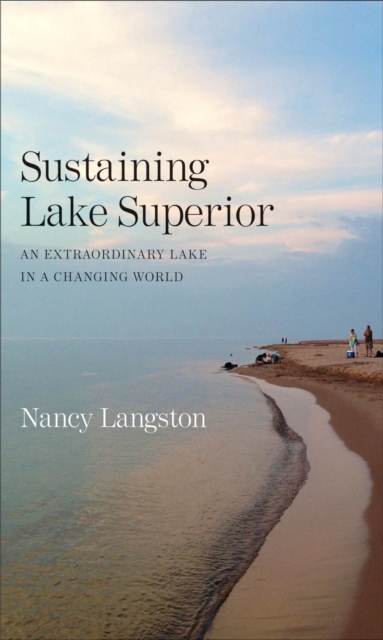
A compelling exploration of Lake Superior’s conservation recovery and what it can teach us in the face of climate change Lake Superior, the largest lake in the world, has had a remarkable history, including resource extraction and industrial exploitation that caused nearly irreversible degradation.
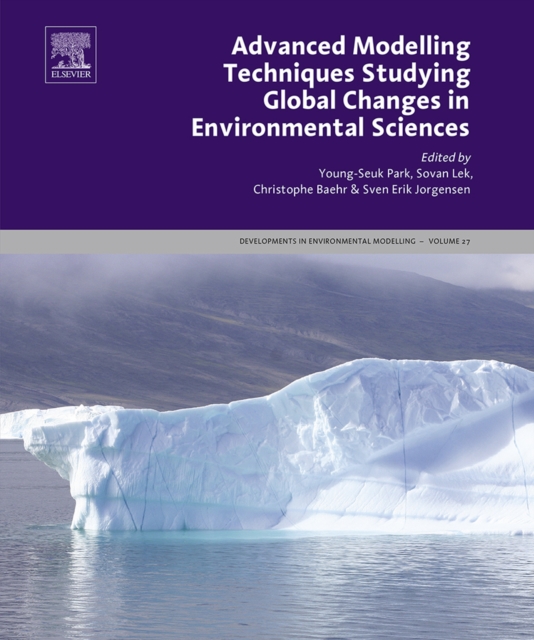
Advanced Modelling Techniques Studying Global Changes in Environmental Sciences discusses the need for immediate and effective action, guided by a scientific understanding of ecosystem function, to alleviate current pressures on the environment.
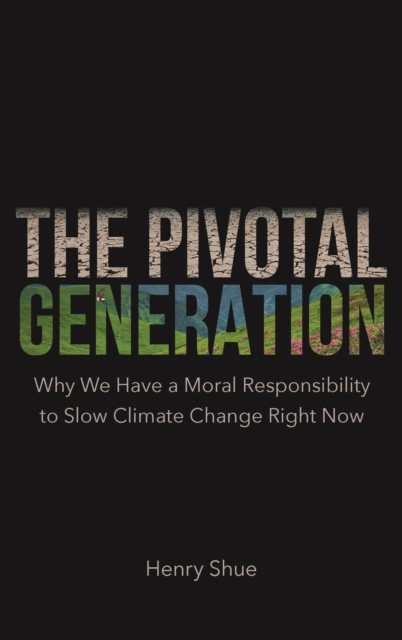
An eminent philosopher explains why we owe it to future generations to take immediate action on global warmingClimate change is the supreme challenge of our time.
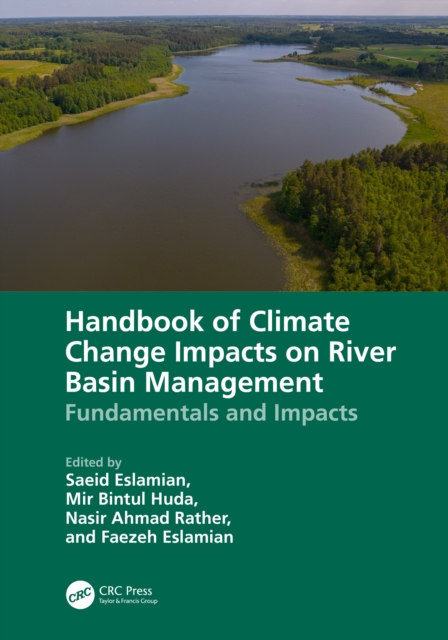
Climate change not only involves rising temperatures but it can also alter the hydro-meteorological parameters of a region and the corresponding changes emerging in the various biotic or abiotic environmental features.
Conformity is a common coping strategy for dealing with stresses in political situations, as well a strategy for dealing with the lack of agreed foundations.
Wild Anthropocene examines four key areas-the politics of deep time, neoliberalism's socio-ecological impacts, global population growth and inter-species entanglement-to demonstrate how literature illuminates progressive solutions to Anthropocene challenges.
This new Handbook gathers together state-of-the-art theoretical reflection and empirical research by a group of leading international scholars in the subdiscipline of Critical Security Studies.
In the early 1950s fisherfolk and other villagers around Minamata Bay on the western coast of Kyushu, Japan, began to suffer from mysterious and often fatal symptoms of what came to be known as Minamata disease.
This timely new workbook is the result of a year-long effort by a group of university professors who first met at Montana Tech during the summer of 1994 for a college faculty workshop.
This timely new workbook is the result of a year-long effort by a group of university professors who first met at Montana Tech during the summer of 1994 for a college faculty workshop.
How extreme-right antidemocratic governments around the world are prioritizing profits over citizens, stoking catastrophic wildfires, and accelerating global climate change.
The Great Global Warming Blunder unveils new evidence from major scientific findings that explode the conventional wisdom on climate change and reshape the global warming debate as we know it.