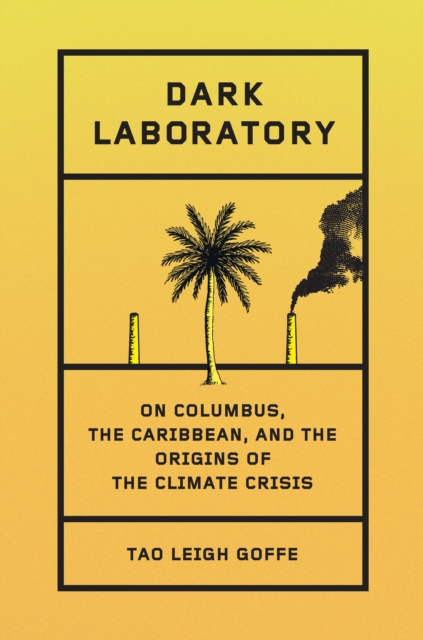
*Shortlisted for the Wainwright Prize* A fascinating exploration of the linkages between ancestral inheritance, diasporic belonging, and our climate future.
'Brilliantly written and genuinely one of the most important books I have ever read' - Ellie Mae O'Hagan An engrossing exploration of the science, history and politics of the Anthropocene, one of the most important scientific ideas of our time, from two world-renowned expertsMeteorites, methane, mega-volcanoes and now human beings; the old forces of nature that transformed Earth many millions of years ago are joined by another: us.
'An extraordinary mastery of geopolitics, combining years on the ground in the most challenging places, a raw instinct for politics and a deep ethical concern for the world in the face of climate catastrophe.
The essential new book about Britain s 'frontierlands', the abandoned and neglected places that provide opportunities for business and communities, and how they can help us face the challenges of climate change.
In this powerful collection of interviews, Noam Chomsky exposes the problems of our world today, as we stand in this period of monumental change, preparing for a more hopeful tomorrow.
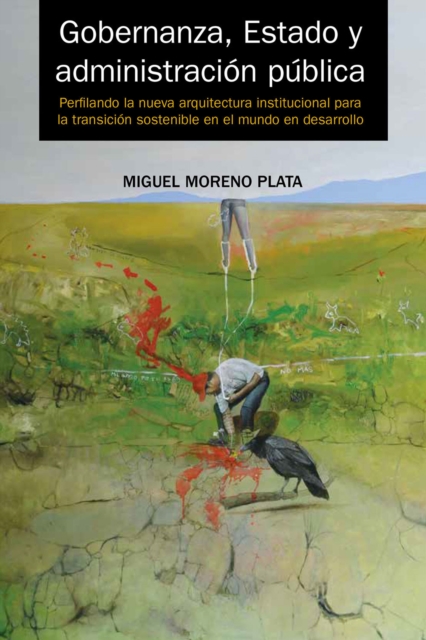
Este libro surge de una serie de talleres y seminarios organizados por la Universidad Panamericana como parte de la Catedra Interamericana Laudato si'.
Las primeras decadas del siglo XXI se caracterizan por el agotamiento paradigmatico de las instituciones politicas, economicas, sociales y juridicas, tal como lo evidencia el fracaso de aquellas para enfrentar los graves problemas contemporaneos, incluyendo el cambio climatico, la pandemia de COVID-19 y la pobreza.
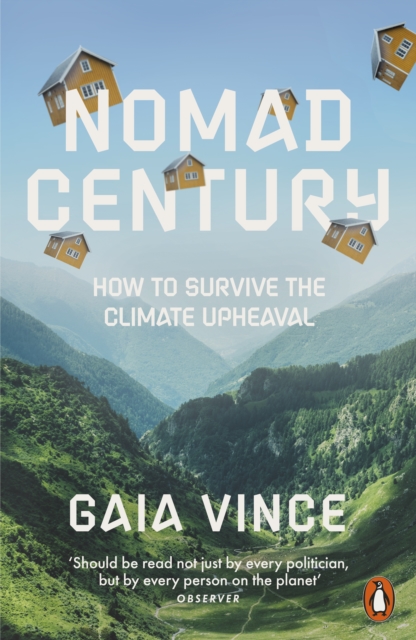
Highly Commended for the Wainwright Prize 2023, and shortlisted for the Z calo Book Prize and the Christopher Moore Prize For Human Rights Writing 'Gaia Vince's new book should be read not just by every politician, but by every person on the planet' ObserverAn urgent investigation of the most underreported, seismic consequence of climate change: how it will force us to change where - and how - we liveWe are facing a species emergency.
El libro emerge de la reflexion academica como instrumento sensibilizador de conciencia hacia la construccion de futuro de aquellas comunidades que han sido acalladas por la violencia, pero que se resisten a sucumbir en la inaccion.
'Mind-shifting, heart-lifting' ISABELLA TREE'Inspiring and essential' ALASTAIR HUMPHREYS'As entertaining as it is enlightening' INDEPENDENTThe majority of the world now lives in some form of urban environment.
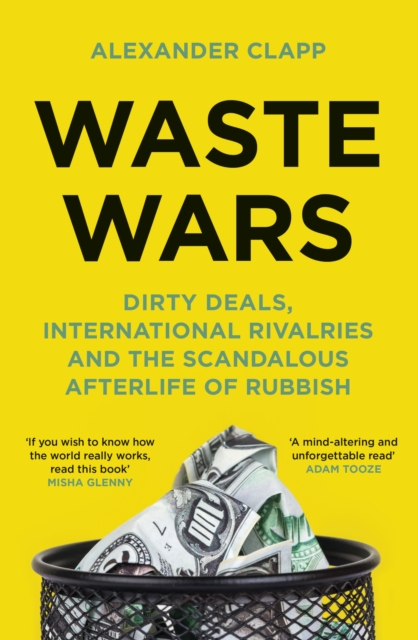
'Jaw-dropping' The Economist'A mind-altering and unforgettable read' Adam Tooze'If you wish to know how the world really works, read this book' Misha GlennyA globe-trotting investigation into the catastrophic reality of the multi-billion-dollar global garbage trade.
'Consummate and thorough' - The Times'Darkly entertaining' - The SpectatorA superbly written work of narrative non-fiction by an exciting new talent, The Anti-Catastrophe League is a brilliant study of the people and their teams who are trying to save the world.
El presente volumen de la colección Complexus es producto de una investigación conformada por estudios comparativos interdisciplinares realizados en Europa y Latinoamérica y cuyos objetivos son el análisis, desde diversas perspectivas, de las transformaciones en las dinámicas sociales obligadas por el surgimiento del covid–19, así como la identificación de las vulnerabilidades y las repercusiones sobre el territorio y los procesos de adaptación y resiliencia resultantes de la pandemia.
El presente volumen colectivo nace del esfuerzo investigador en torno al decisivo papel que han de jugar los gases renovables en el escenario global de emergencia climática, transición energética y cambio del modelo lineal de consumo.
Bei diesem Buch handelt es sich um ein Buch für die ganze Familie und es klärt dich über einiges im Bereich Ernährung, Hühnerhaltung, "Fleischproduktion", etc.
Es geht einerseits um das Artensterben und hier sind nicht nur die Tiere - Insekten wie Bienen, Hummeln, Wespen, Schwebfliegen gemeint, die für eine Bestäubung unserer Pflanzen sorgen, sondern auch die Spezies Mensch!
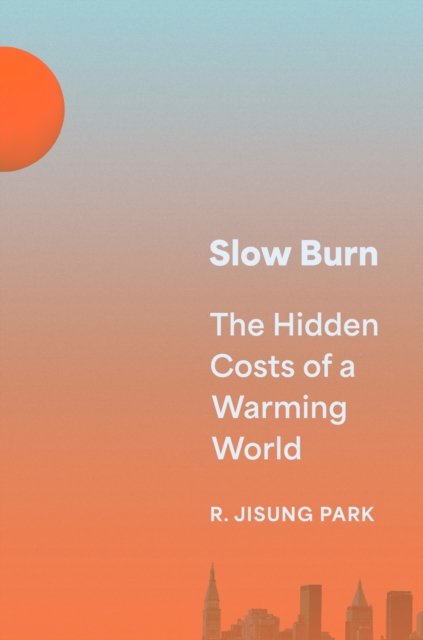
How the subtle but significant consequences of a hotter planet have already begunfrom lower test scores to higher crime ratesand how we might tackle them todayIt's hard not to feel anxious about the problem of climate change, especially if we think of it as an impending planetary catastrophe.
How the subtle but significant consequences of a hotter planet have already begunfrom lower test scores to higher crime ratesand how we might tackle them todayIt's hard not to feel anxious about the problem of climate change, especially if we think of it as an impending planetary catastrophe.
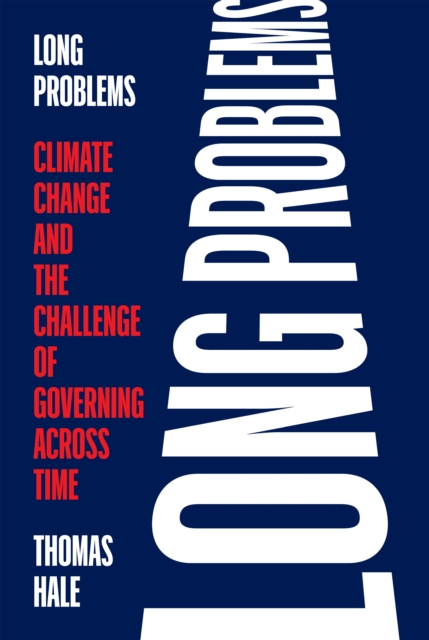
Political strategies for tackling climate change and other ';long problems' that span generationsClimate change and its consequences unfold over many generations.
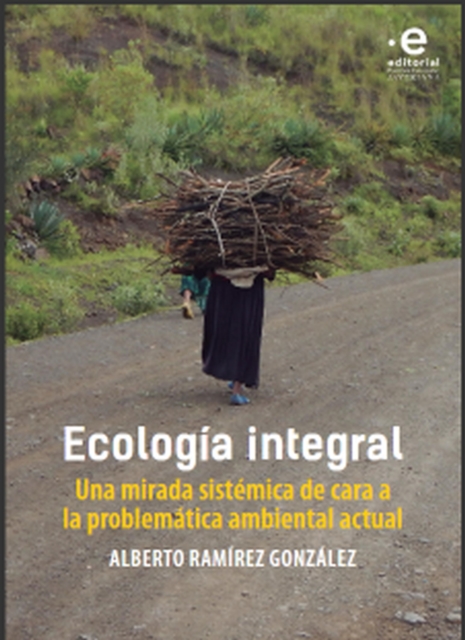
La ecología surgió como ciencia a finales del siglo XIX al escindirse de la biología y definir un objeto de estudio específico relativo a la relación de los seres vivos con su entorno.