This book constitutes peer-reviewed full-length papers contributed by the authors and tailored on various thematic areas of the 4th International Conference on “Advanced Technologies for Industrial Pollution Control” (ATIPC-2024).
This book constitutes peer-reviewed full-length papers contributed by the authors and tailored on various thematic areas of the 4th International Conference on “Advanced Technologies for Industrial Pollution Control” (ATIPC-2024).
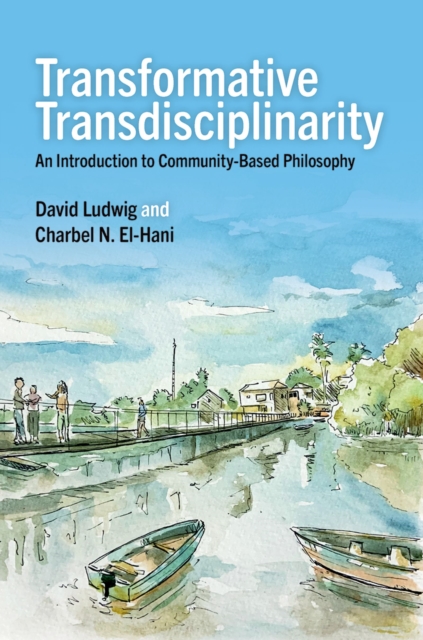
In the face of planetary crises -- from biodiversity loss to climate change to food security -- transdisciplinary methods promise effective and just responses through equal collaborations.
This book examines the nexus between livelihood capital and resilience across Africa, offering a regional perspective on how people cope with climate change, conflict, and economic uncertainty.
This textbook provides a comprehensive introduction to sustainability, examining the complex relationships among environmental, economic, and socio-cultural systems across a wide range of industries.
This book explores how artificial intelligence, digital transformation, and sustainability intersect in Africa and how they can reshape business practices, economic development, and environmental stewardship across the continent.
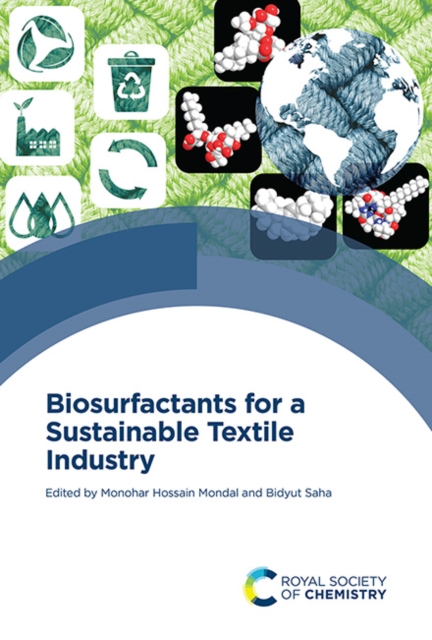
This book reviews the physical-chemical properties of individual and mixed surfactant systems and its application in various industry sectors to produce household and personal care products.
This book reviews the physical-chemical properties of individual and mixed surfactant systems and its application in various industry sectors to produce household and personal care products.
This book explores how artificial intelligence, digital transformation, and sustainability intersect in Africa and how they can reshape business practices, economic development, and environmental stewardship across the continent.
This book argues that the future of resilient and liveable cities depends on making ecological systems not a supplement to design, but the scaffolding upon which urban life is built.
This book examines the nexus between livelihood capital and resilience across Africa, offering a regional perspective on how people cope with climate change, conflict, and economic uncertainty.
This book presents selected proceedings from the International Conference on Artificial Intelligence for Resilient Infrastructure and Sustainable Building Materials (AIRISE 2025) and addresses the urgent need for resilient infrastructure.
This book highlights recent advances in the valorization of biomass, transforming it into high-value bioproducts for applications across the food, energy, and environmental sectors.
This book presents nature as the fundamental infrastructure for sustainable urban living rather than as an aesthetic afterthought in the face of cities' mounting problems, which range from biodiversity loss and climate change to public health disparities.
This book argues that the future of resilient and liveable cities depends on making ecological systems not a supplement to design, but the scaffolding upon which urban life is built.
Agricultural history has enjoyed a rebirth in recent years, in part because the agricultural enterprise promotes economic and cultural connections in an era that has become ever more globally focused, but also because of agriculture's potential to lead to conflicts over precious resources.
This book highlights recent advances in the valorization of biomass, transforming it into high-value bioproducts for applications across the food, energy, and environmental sectors.
This textbook provides a comprehensive introduction to sustainability, examining the complex relationships among environmental, economic, and socio-cultural systems across a wide range of industries.
This book offers a comprehensive exploration of the transformative potential of robust, innovative AI techniques like machine learning and deep learning in revolutionizing water management to achieve UN sustainability goals.
From one of the world's leading experts on the subject, a fully updated introduction to the sustainability movement from the 1600s to todayThe word is nearly ubiquitous: at the grocery store we shop for "e;sustainable foods"e; that were produced from "e;sustainable agriculture"e;; groups ranging from small advocacy organizations to city and state governments to the United Nations tout "e;sustainable development"e; as a strategy for local and global stability; and woe betide the city-dweller who doesn't aim for a "e;sustainable lifestyle.
This book presents nature as the fundamental infrastructure for sustainable urban living rather than as an aesthetic afterthought in the face of cities' mounting problems, which range from biodiversity loss and climate change to public health disparities.
In the face of planetary crises -- from biodiversity loss to climate change to food security -- transdisciplinary methods promise effective and just responses through equal collaborations.