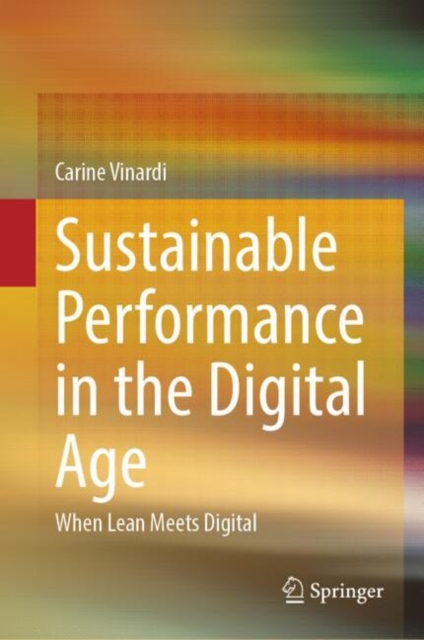
This book explains how to combine Lean (including Hoshin Kanri) with Digital solutions to maximize sustainable performance that complies with people's and planet's performance expectations and needs.
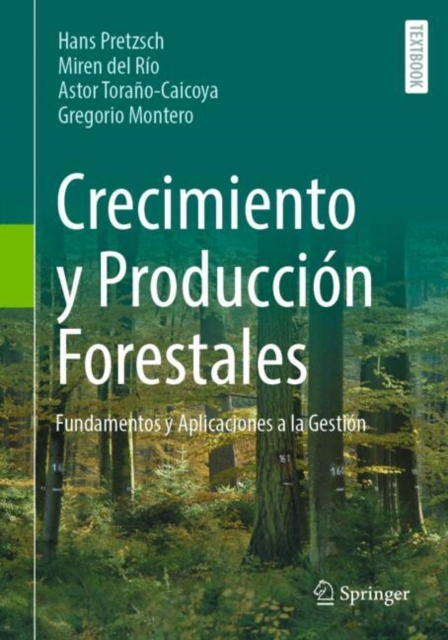
Crecimiento y Produccion Forestales, Fundamentos y Aplicaciones a la Gestion es el primer y unico libro de su tipo, una obra maestra que recoge todos los conocimientos sobre crecimiento y produccion forestal europea, actualizados y en lengua espanola.
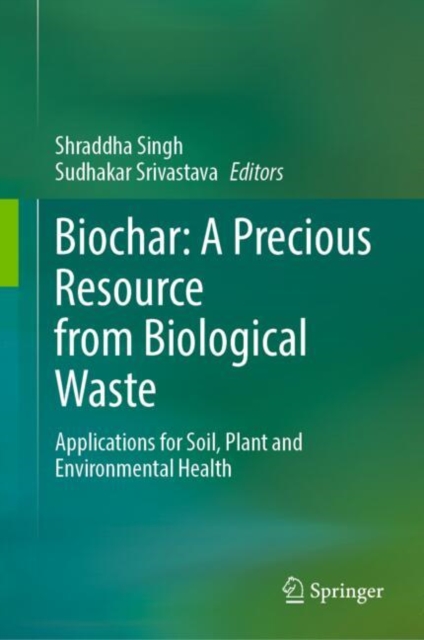
This book addresses the global challenge of feeding a growing population while grappling with diminishing land resources, deteriorating soil quality, and the impact of climate change.
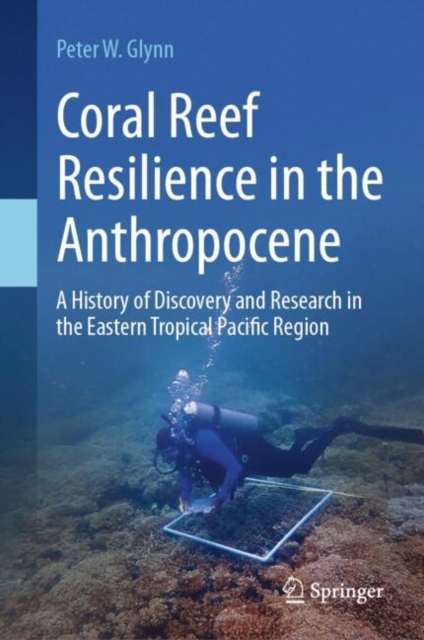
This book chronicles six decades of exploration and ecological studies of Western American coral reefs, a vibrant and diverse ecosystem in a marginal tropical Pacific region that has long been overlooked.
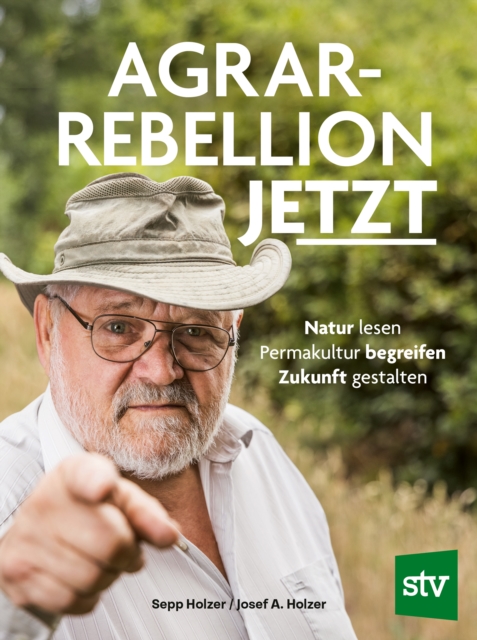
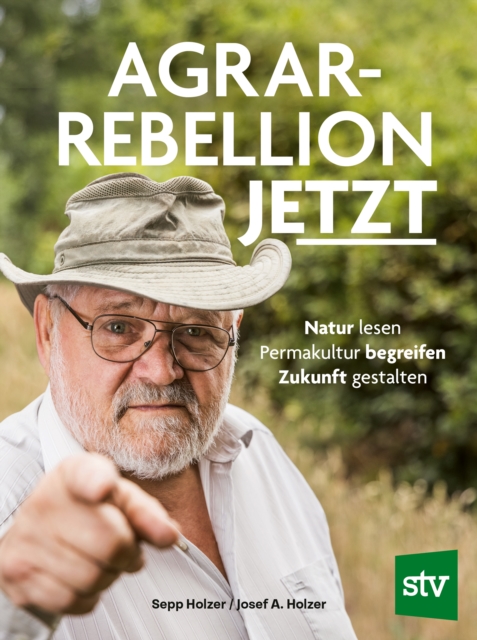
Mit der Natur, nicht gegen die Natur•Klimakrise begegnen•Landwirtschaft als Teil der Lösung, nicht des Problems•Nachhaltig und standortangepasstEs gibt eine Zukunft jenseits von Monokulturen, Massentierhaltung und Raubbau an der Natur.
Recent studies on extremophiles have focused on thermophiles, microbes that thrive in high temperatures, while psychrophiles, which prefer cold environments, have received less attention.
Mit der Natur, nicht gegen die Natur•Klimakrise begegnen•Landwirtschaft als Teil der Lösung, nicht des Problems•Nachhaltig und standortangepasstEs gibt eine Zukunft jenseits von Monokulturen, Massentierhaltung und Raubbau an der Natur.
This book offers a pioneering exploration of the financial, operational, and societal impacts stemming from biodiversity loss and associated ecosystem collapse.
This book provides a multidisciplinary perspective on the Andean herpetofauna, covering topics ranging from natural history and thermal ecology to biogeography and conservation.
Dieses Buch berichtet über ein ebenso spannendes wie aktuelles Thema an der Schnittstelle zwischen naturwissenschaftlicher Grundlagenforschung und globaler gesellschaftlicher Herausforderung: die Biodiversität.
The global agri-food system faces critical challenges from climate change, evolving consumer demands, sustainability needs, and economic uncertainties.
This book delves into integrating sustainable practices within enterprise resource planning (S-ERP) systems framework, particularly in the context of Industry 4.
Marcel Hänggi, Journalist, Buchautor und Initiator der Gletscher-Initiative, zeigt in Weil es Recht ist, wie die Schweizer Bundesverfassung unter ökologischen Gesichtspunkten zu revidieren wäre.
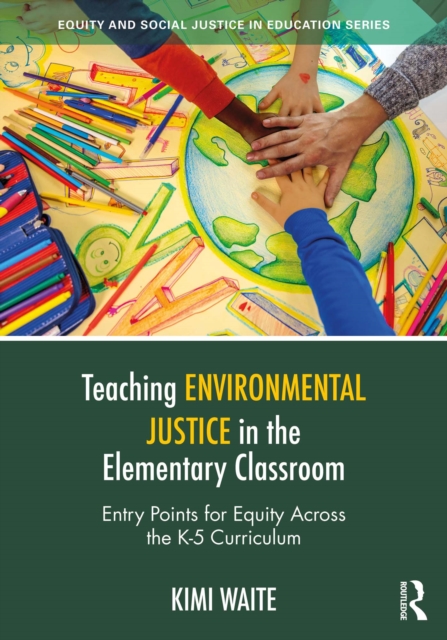
This timely book discusses the importance of teaching environmental justice at the elementary level and provides teachers with the tools to implement this instruction in their existing curriculum.
Nanotechnology is redefining the future of agriculture by offering innovative solutions for enhanced crop productivity, sustainable farming, and improved soil health.
This book explores experimental and numerical research findings from the literature, aimed at evaluating and improving the livability of temporary housing solutions.
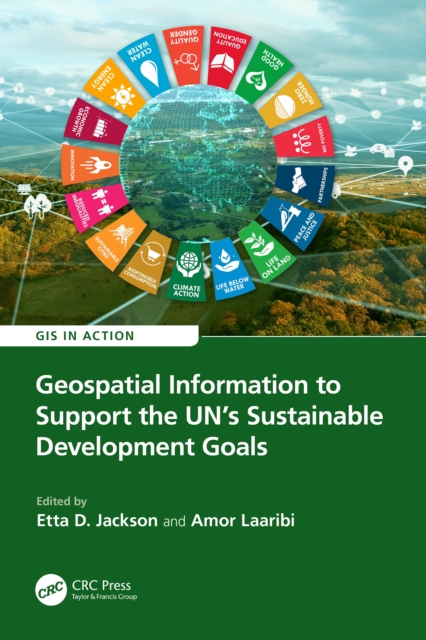
This unique book investigates the 2030 Agenda for Sustainable Development through geospatial information lenses, making the case that geospatial information is central to the SDGs and is imperative to understand the place, location, communities, and the people to identify where the root of the problem lies.
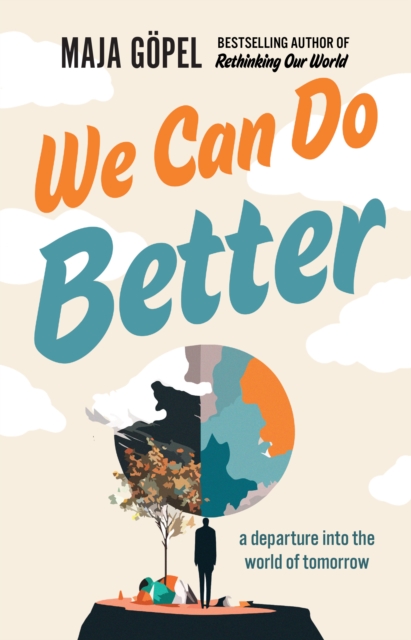
After her previous book, Rethinking Our World, eloquently untangled the complex world we live in, Maja Gopel delivers the encouragement and the tools we need to go into action and build the world we want to live in.
This book explains how to combine Lean (including Hoshin Kanri) with Digital solutions to maximize sustainable performance that complies with people's and planet's performance expectations and needs.
The edited book follows a systematic and situation-sensitive approach for discussing the socio-ecological, economic, cultural, and traditional perspectives of using and promoting wild edibles.
The book provides a comprehensive analysis of the intricate relationship between urban environments and the crucial function of wetland ecosystems in enhancing the resilience of cities worldwide.
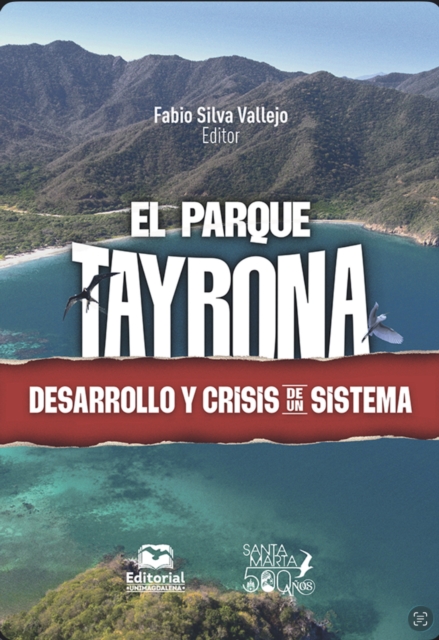
El Parque Nacional Natural Tayrona, parte integral del Sistema Nacional de Áreas Protegidas (SINAP) desde la adopción de la Convención de Diversidad Biológica a través de la Ley 165 de 1994, enfrenta varios desafíos que podrían comprometer su conservación y eficacia.
The global agri-food system faces critical challenges from climate change, evolving consumer demands, sustainability needs, and economic uncertainties.
The field of evolutionary developmental biology (Evo-Devo) has been profoundly shaped by a handful of classical model organisms — such as Drosophila melanogaster, Caenorhabditis elegans, zebrafish, mouse, and Arabidopsis — which have provided fundamental insights into the genetic and molecular mechanisms underlying development.
For readers of Entangled Life and The Hidden Life of Trees, a fascinating journey into the world of plants and animals, and the ways they communicate with each other.
The field of evolutionary developmental biology (Evo-Devo) has been profoundly shaped by a handful of classical model organisms — such as Drosophila melanogaster, Caenorhabditis elegans, zebrafish, mouse, and Arabidopsis — which have provided fundamental insights into the genetic and molecular mechanisms underlying development.
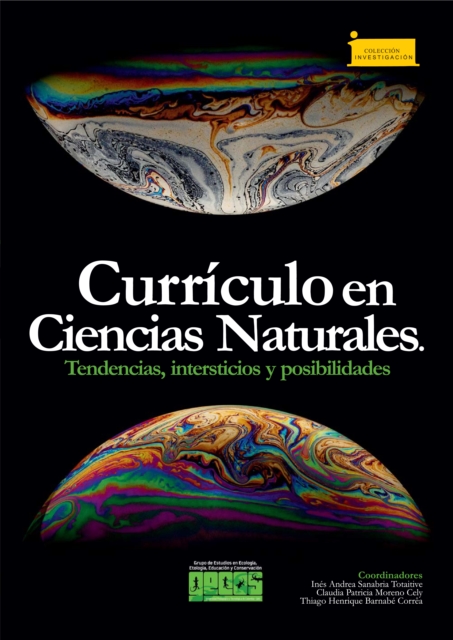
El libro que aquí se presenta tiene aportes fundamentales en la construcción del currículo en ciencias naturales, una reflexión que dinamiza los elementos de las ciencias y los relaciona con experiencias que muestran el contexto real en la enseñanza y aprendizaje, además da una visión fresca del desarrollo en los últimos años, de investigaciones formativas y de orden estructural guiadas primero, a la formación y actualización constante del profesorado y segundo, a las reflexiones de la enseñanza de las ciencias.
The book provides a comprehensive analysis of the intricate relationship between urban environments and the crucial function of wetland ecosystems in enhancing the resilience of cities worldwide.
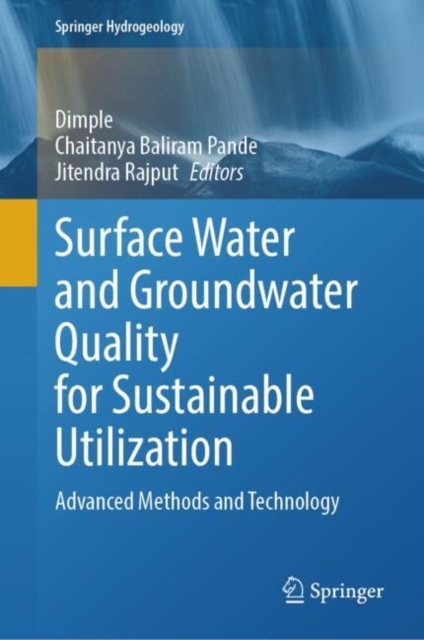
This book provides a comprehensive overview of surface water and groundwater quality, including its analytical methods, and remote sensing and soft computing techniques.