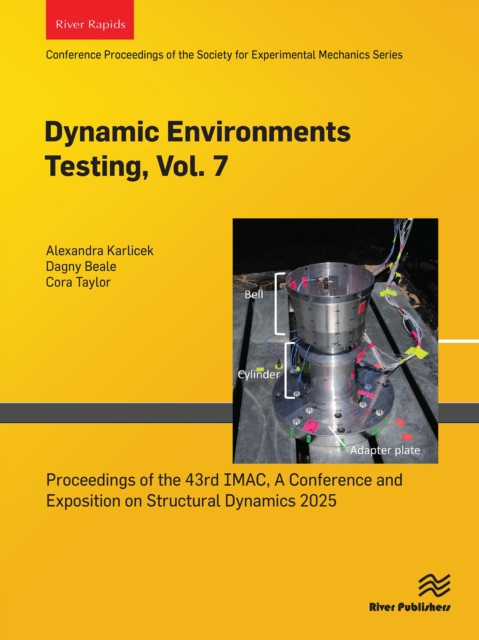
Dynamic Environments Testing, Volume 7: Proceedings of the 43rd IMAC, A Conference and Exposition on Structural Dynamics, 2025, the seventh volume of twelve from the Conference brings together contributions to this important area of research and engineering.
Geospatial Information and Services for Climate Resilient Disaster Management explores how cutting-edge technology can shape our response to climate-related disasters.
Point Source Nitrogen Pollution: Climate Mitigation and Sustainable Solutions for the Modern Era explores the sources, impacts, and challenges related to point source nitrogen pollution.
The Work of Terrence Malick: Time-Based Ecocinema develops a timely ecocinema approach to film analysis illuminated by Benjamin's notion of the turn of time.
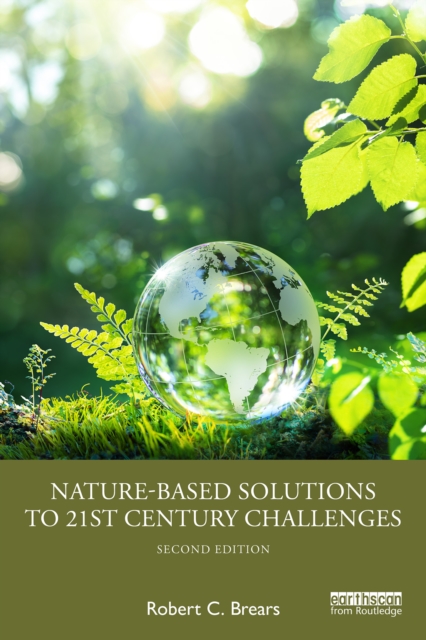
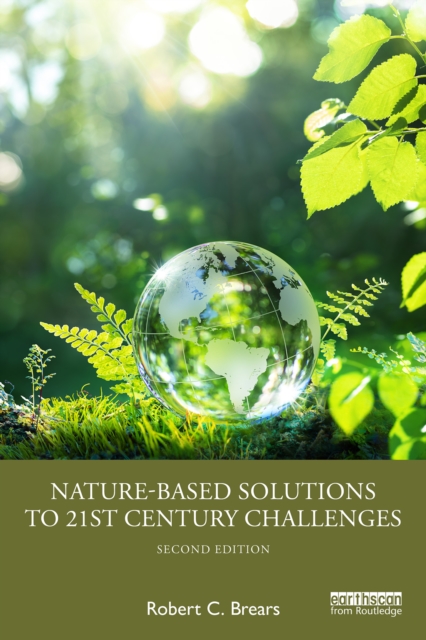
Fully revised and updated, this second edition provides a systematic review of nature-based solutions and their potential to address current environmental challenges.
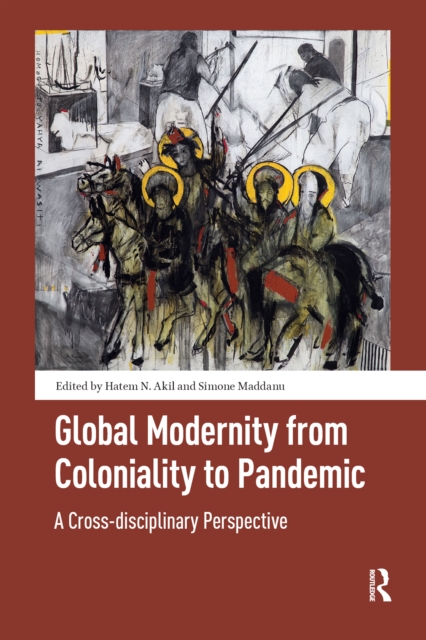
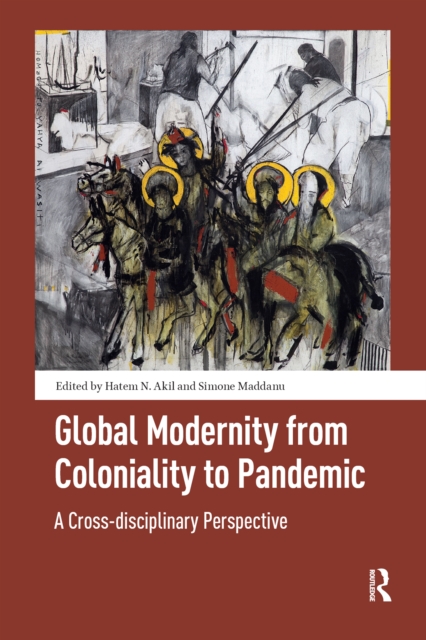
Global Modernity from Coloniality to Pandemic explores issues related to the global crises of our time: reason, science, and the environment by revisiting the notions of modernity, modernism, and modernization, which can no longer be considered purely Western or strictly secular.
We are running out of water, robots will take our jobs, we are eating ourselves to an early death, old age pension and health systems are bankrupting governments, and an immigration crisis is unravelling the European integration project.
Global Modernity from Coloniality to Pandemic explores issues related to the global crises of our time: reason, science, and the environment by revisiting the notions of modernity, modernism, and modernization, which can no longer be considered purely Western or strictly secular.
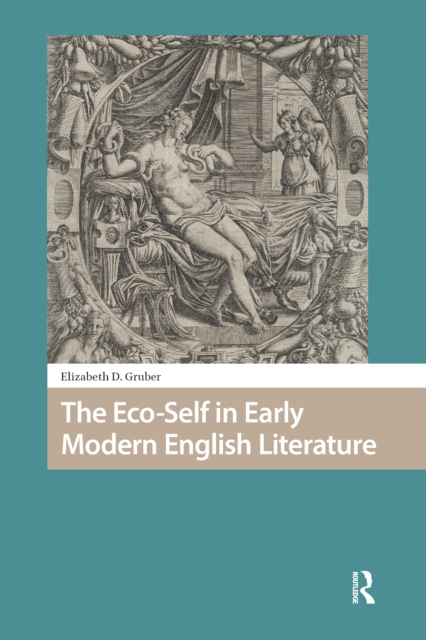
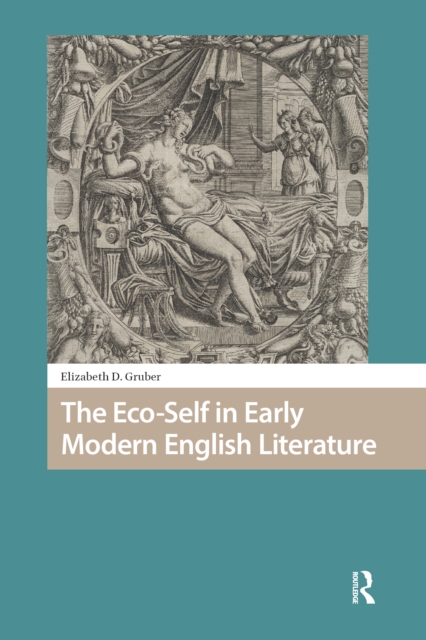
The Eco-Self in Early Modern English Literature tracks an important shift in early modern conceptions of selfhood, arguing that the period hosted the birth of a new subset of the human, the eco-self, which melds a deeply introspective turn with an abiding sense of humans' embedment in the world.
In her detailed retelling of three iconic movements in India, Professor Emerita Krishna Mallick, PhD, gives hope to grassroots activists working toward environmental justice.
In her detailed retelling of three iconic movements in India, Professor Emerita Krishna Mallick, PhD, gives hope to grassroots activists working toward environmental justice.
The Work of Terrence Malick: Time-Based Ecocinema develops a timely ecocinema approach to film analysis illuminated by Benjamin's notion of the turn of time.
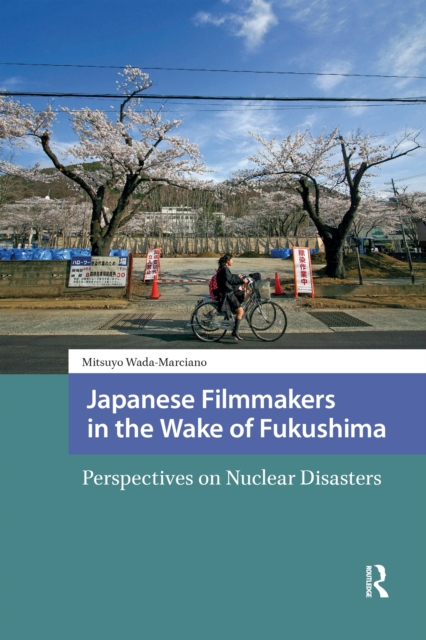
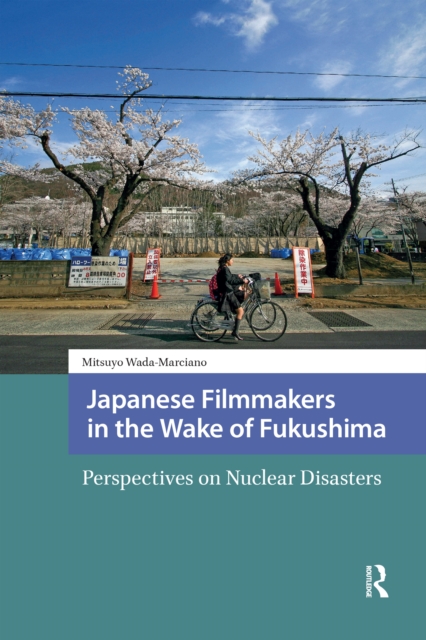
In the ongoing aftermath of the nuclear accident in 2011, filmmakers have continued to issue warnings about the state of Japanese society and politics, which remain mired in refusal to change.
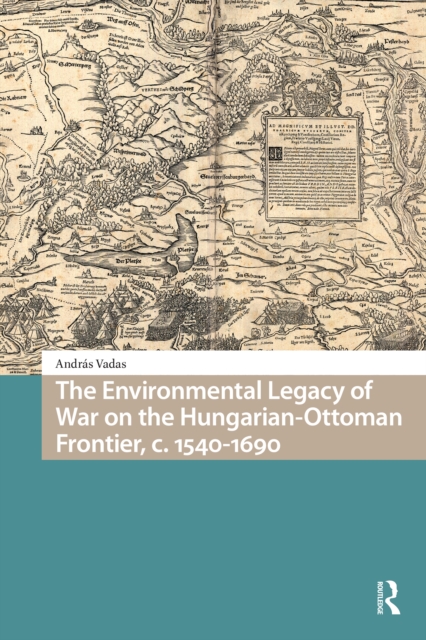
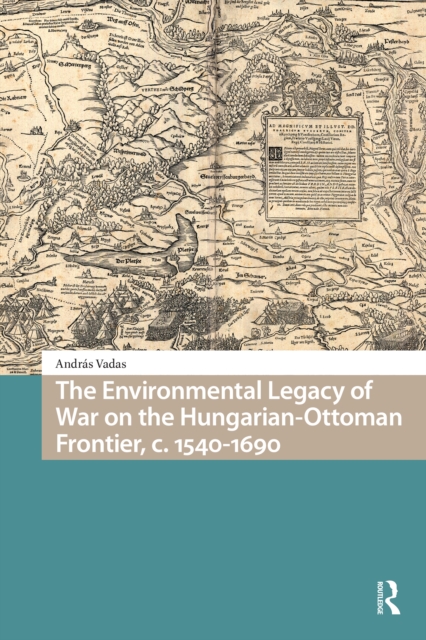
This book is the first monographic attempt to follow the environmental changes that took place in the frontier zone of the Ottoman Empire and the Kingdom of Hungary in the sixteenth and seventeenth centuries.
In the ongoing aftermath of the nuclear accident in 2011, filmmakers have continued to issue warnings about the state of Japanese society and politics, which remain mired in refusal to change.
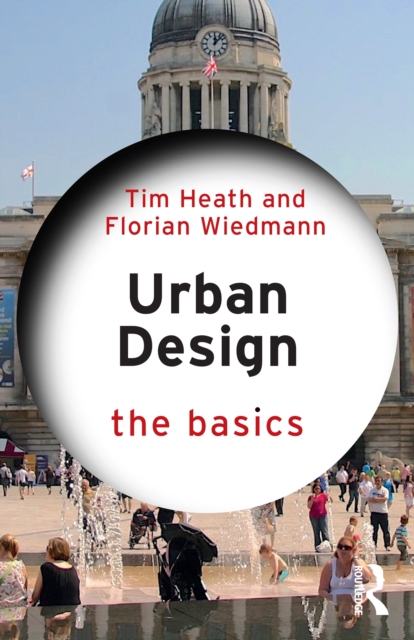
Urban Design: The Basics provides a brief but compelling overview and introduction to the theory and practice of the multi-disciplinary field of urban design.
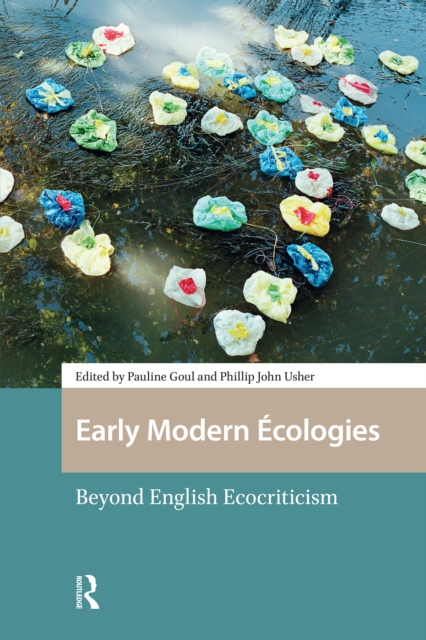
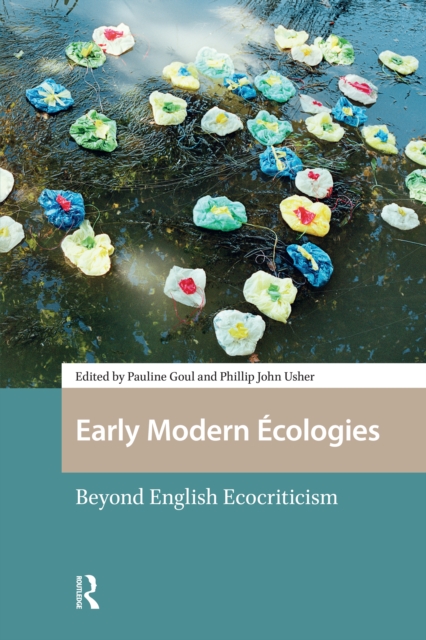
Early Modern Ecologies is the first collective volume to offer perspectives on the relationship between contemporary ecological thought and early modern French literature.
The Eco-Self in Early Modern English Literature tracks an important shift in early modern conceptions of selfhood, arguing that the period hosted the birth of a new subset of the human, the eco-self, which melds a deeply introspective turn with an abiding sense of humans' embedment in the world.
This book is the first monographic attempt to follow the environmental changes that took place in the frontier zone of the Ottoman Empire and the Kingdom of Hungary in the sixteenth and seventeenth centuries.
We are running out of water, robots will take our jobs, we are eating ourselves to an early death, old age pension and health systems are bankrupting governments, and an immigration crisis is unravelling the European integration project.
Japan: a land plagued by volcanoes, earthquakes and typhoons, yet blessed with a climate suitable for all manner of agriculture and forestry, and positioned where ocean currents collide and bring an abundance of the ocean's resources to its people; a country which moved quickly from an agrarian pre-industrial society to become one of the world's great economic powerhouses in only a few decades, spoiling water, air and land in the process, bringing misery to many of its people; a country with expansionist desires, colonizing neighboring lands, leading to war, defeat, destruction and, for the first time in history, nuclear devastation and its aftermath; a land and its people which share a remarkable resilience and ability to evaluate and correct their mistakes and renew their trajectory towards a better future.
Japan: a land plagued by volcanoes, earthquakes and typhoons, yet blessed with a climate suitable for all manner of agriculture and forestry, and positioned where ocean currents collide and bring an abundance of the ocean's resources to its people; a country which moved quickly from an agrarian pre-industrial society to become one of the world's great economic powerhouses in only a few decades, spoiling water, air and land in the process, bringing misery to many of its people; a country with expansionist desires, colonizing neighboring lands, leading to war, defeat, destruction and, for the first time in history, nuclear devastation and its aftermath; a land and its people which share a remarkable resilience and ability to evaluate and correct their mistakes and renew their trajectory towards a better future.
Early Modern Ecologies is the first collective volume to offer perspectives on the relationship between contemporary ecological thought and early modern French literature.
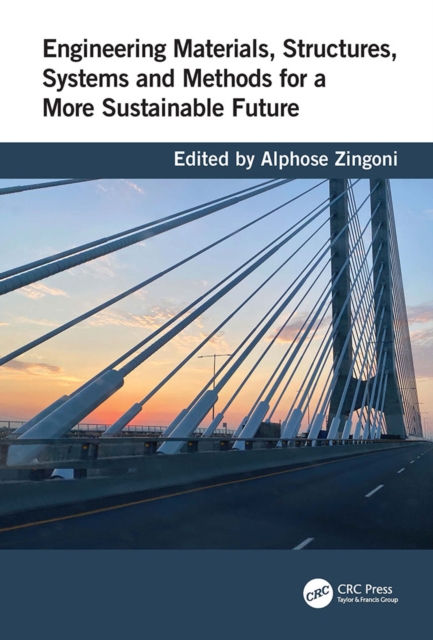
Engineering Materials, Structures, Systems and Methods for a More Sustainable Future comprises 275 papers that were presented at SEMC 2025, the Ninth International Conference on Structural Engineering, Mechanics and Computation.
Engineering Materials, Structures, Systems and Methods for a More Sustainable Future comprises 275 papers that were presented at SEMC 2025, the Ninth International Conference on Structural Engineering, Mechanics and Computation.
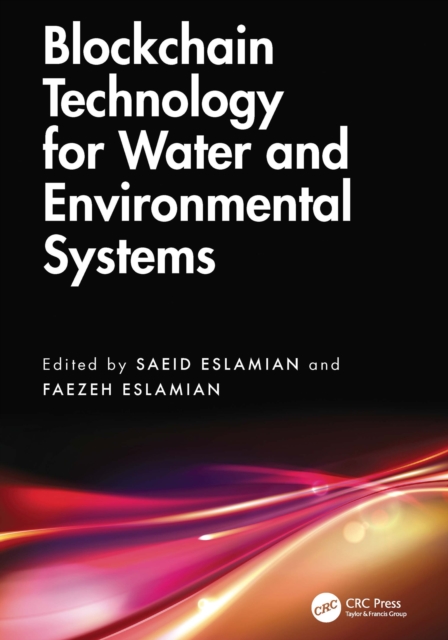
In an era defined by climate uncertainty, resource scarcity, and the urgent need for sustainable innovation, blockchain technology emerges as a transformative force across water and environmental systems.
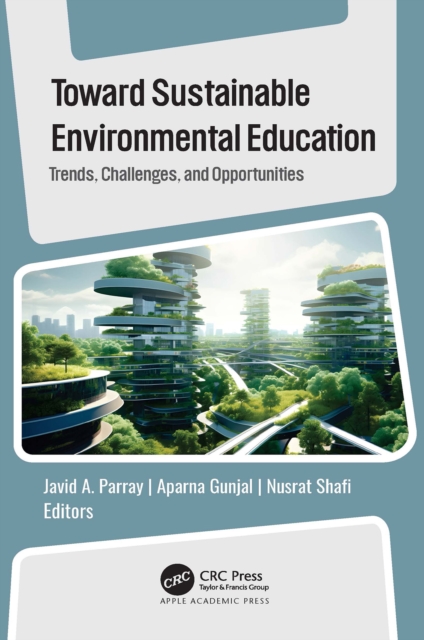
This new book reflects the priorities of the UNESCO Global Action Programme on Education for Sustainable Development, which reaffirms the importance of education in society.
This new book reflects the priorities of the UNESCO Global Action Programme on Education for Sustainable Development, which reaffirms the importance of education in society.
Fully revised and updated, this second edition provides a systematic review of nature-based solutions and their potential to address current environmental challenges.
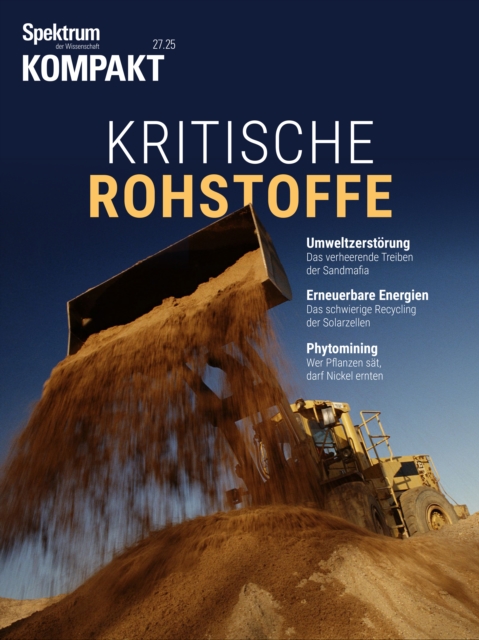
Smartphone, Laptop, E-Auto: Viele Dinge in unserem Alltag benotigen fur Herstellung und Betrieb Rohstoffe, die keineswegs unbegrenzt zur Verfugung stehen oder deren Gewinnung auch aus ethischer Sicht problematisch ist.