This book presents a curated collection of cutting-edge research and practical insights into one of the most pressing global challenges of our time: securing water under a changing climate.
This book presents a curated collection of cutting-edge research and practical insights into one of the most pressing global challenges of our time: securing water under a changing climate.
The treatise ‘Exploring the Mystical Himalaya: Cultures, Economies and Environment’ is composed based on the collection of empirical data, extensive field visits, and thereafter my personal observation through travelogue of the entire Himalaya from Pamir’s knot to the Arakan Yoma (including Tibet, Bhutan, and Nepal) with aspects of nature and culture.
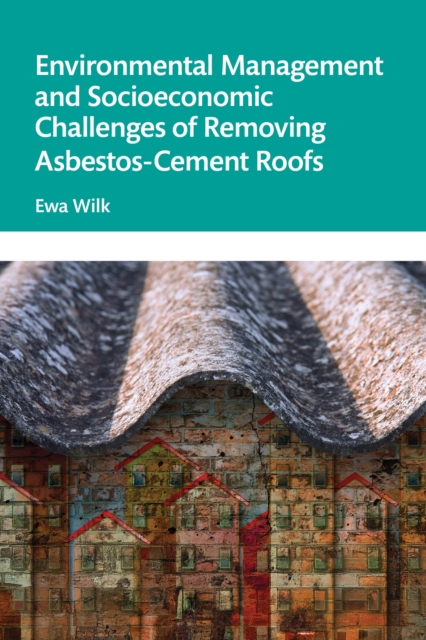
Environmental Management and Socioeconomic Challenges of Removing Asbestos-Cement Roofs addresses the urgent problems regarding asbestos-cement roof removal due to the carcinogenic impacts on human health.
A novel contribution for those interested in understanding the significance and impact of global educational leadership, this edited volume examines and maps educational leadership strategies and theories that foster equity, inclusion, resilience, and sustainability in various geopolitical, cultural, and linguistic contexts.
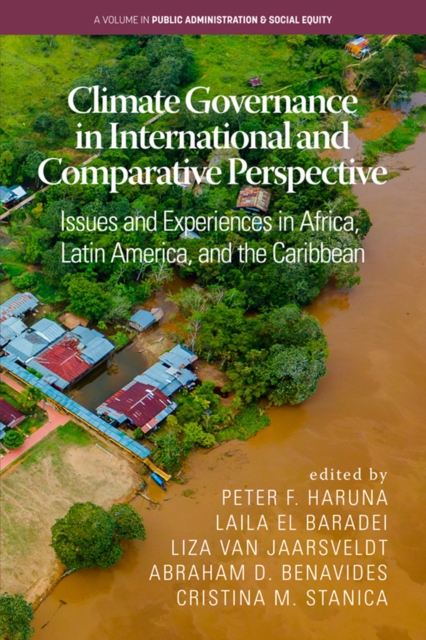
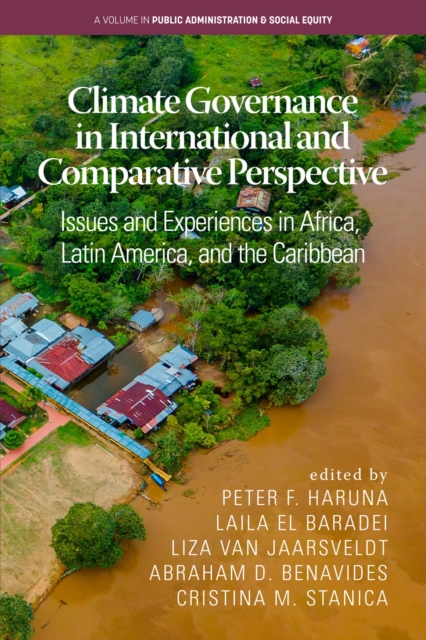
This book pulls literature together to examine the quality of climate governance based in the experience of Global South regions-Africa, Latin America, and Caribbean.
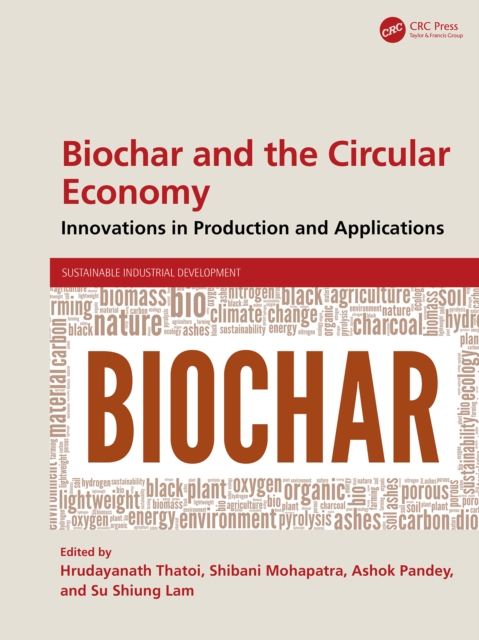
This book provides a comprehensive overview of biochar as a sustainable solution within the context of agriculture, waste management, environmental remediation, and the circular economy.
This book pulls literature together to examine the quality of climate governance based in the experience of Global South regions-Africa, Latin America, and Caribbean.
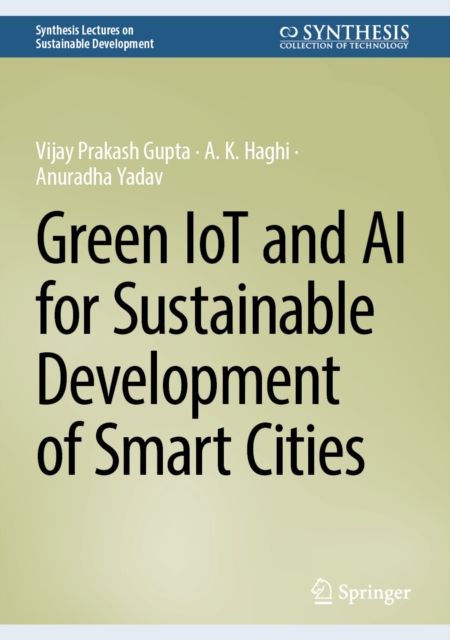
A Smart City is an urban area in which digital technology is used to connect the infrastructure and services to improve the efficiency of the city’s operations and the quality of life of its population in terms of mobility, energy, security, housing, and more.
A Smart City is an urban area in which digital technology is used to connect the infrastructure and services to improve the efficiency of the city’s operations and the quality of life of its population in terms of mobility, energy, security, housing, and more.
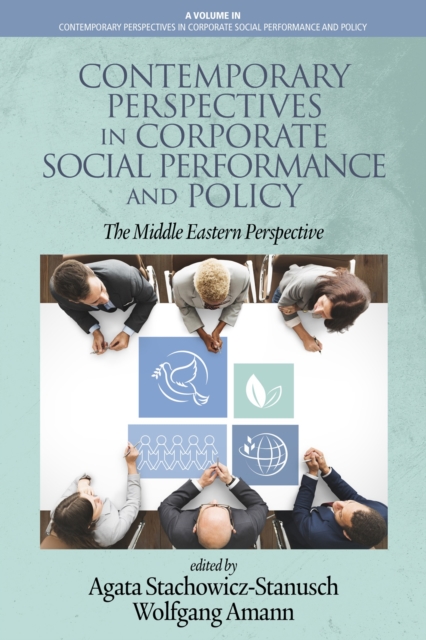
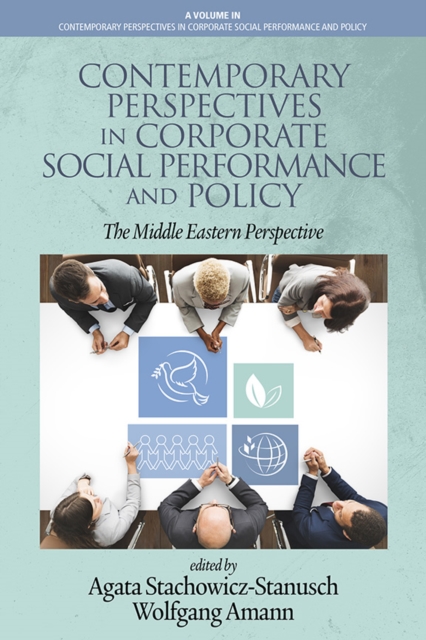
The book Contemporary Perspectives in Corporate Social Performance and Policy - The Middle Eastern Perspective is our endeavor to deepen the current discussion about business and institutional activity in Middle Eastern countries and disseminate the new perspective of the scientific inquiry in the responsibility of various organization operating in this part of the world.
The book Contemporary Perspectives in Corporate Social Performance and Policy - The Middle Eastern Perspective is our endeavor to deepen the current discussion about business and institutional activity in Middle Eastern countries and disseminate the new perspective of the scientific inquiry in the responsibility of various organization operating in this part of the world.
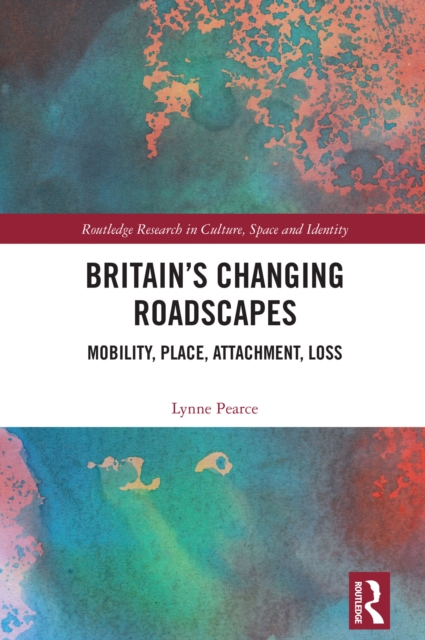
The book addresses long-standing geographical debates on place, place-attachment and kin/aesthetics as well as the unique spatial-temporal properties of 'journeying'.
This edited volume brings together leading experts and researchers from diverse disciplines to provide insights into how geospatial data and AI technologies can be leveraged to tackle pressing environmental issues, ranging from climate change mitigation to natural resource management.
This book aims to provide an exciting and comprehensive exploration of the versatile world of conducting polymers and their modifications according to required properties and their diverse applications across a wide range of domains.
This book pulls literature together to examine the quality of climate governance based in the experience of Global South regions-Africa, Latin America, and Caribbean.
This book dives into topics like renewable energy adoption, how AI and IoT can create smarter systems, and the transition toward more sustainable infrastructures.
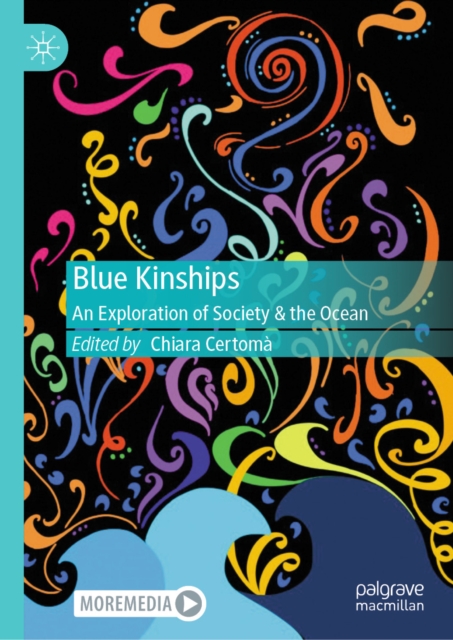
Blue Kinship contributes to the emergent movement of ideas and practices that are interpreting the ocean as a conceptual and physical space for reconsidering our relationship with the complex, heterogeneous and mutable ecological systems of the Anthropocene; and, in consideration of the drastic and dramatic changes affecting the ocean’s health, is working toward a paradigm change in consideration of the socio-cultural connection with the sea.
Blue Kinship contributes to the emergent movement of ideas and practices that are interpreting the ocean as a conceptual and physical space for reconsidering our relationship with the complex, heterogeneous and mutable ecological systems of the Anthropocene; and, in consideration of the drastic and dramatic changes affecting the ocean’s health, is working toward a paradigm change in consideration of the socio-cultural connection with the sea.
This book presents a multifaceted examination of biomass valorization, biofuel, and bioenergy across diverse sectors and seeks to address the fundamental aim of advancing sustainable energy solutions while mitigating environmental challenges.