Choosing the optimal management option requires environmental risk managers and decision makers to evaluate diverse, and not always congruent, needs and interests of multiple stakeholders.
A Proactive Approach to Improving and Protecting the EnvironmentThe accumulation of pharmaceuticals in the environment is a growing concern, the magnitude of which has not been determined, yet cannot be ignored.
Building on the work of the authors' previous volume, the Guidebook for Aligning Practices and Steering Multi System Change translates cutting edge theoretical concepts into the language and applied toolkits of change practitioners.
Drawing on some recent developments in the blue humanities, this book addresses water as a material, political and cultural phenomenon across a variety of spatial and temporal contexts.
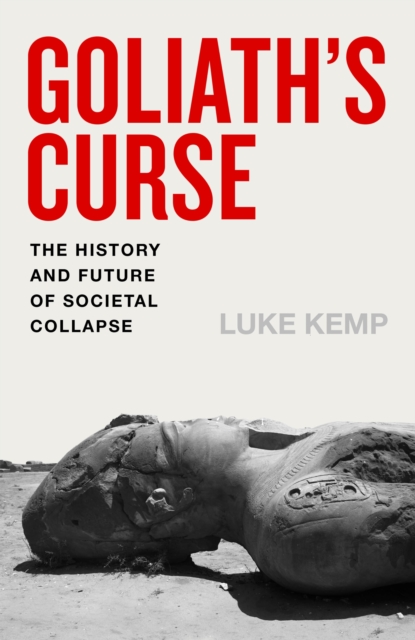
A radical retelling of human history through collapse from the dawn of our species to the urgent existential threats of the twenty-first century and beyond.
This book explores the ethical dimensions of nature conservation, discussing how we value the natural world and how it can be protected in a complex context where many ethically significant interests must be carefully weighed and balanced.
Bayesian Analysis of Capture-Recapture Data with Hidden Markov Models: Theory and Case Studies in R and NIMBLE introduces ecologists and statisticians to a powerful and unifying framework for analyzing capture-recapture data.
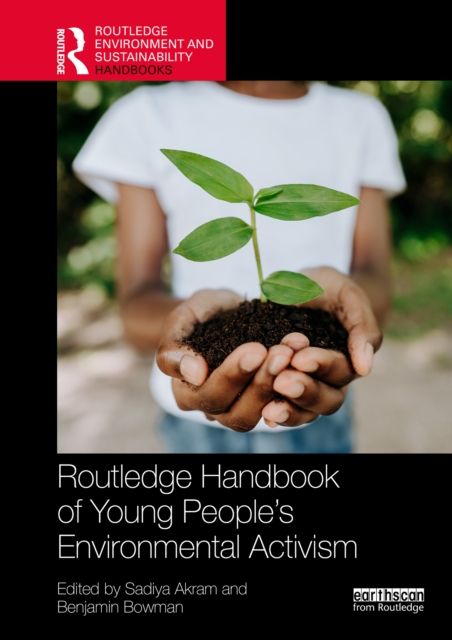
This handbook addresses the new watershed moment in youth environmental activism: the collision of the historic and globally prominent youth-centred movements on the one hand, with established, consolidated power in opposition to environmental action on the other.
Now in its third edition, Profession and Purpose is the essential resource for MBA students interested in applying their business skills and expertise in careers that address the climate and sustainability challenges the world is facing.
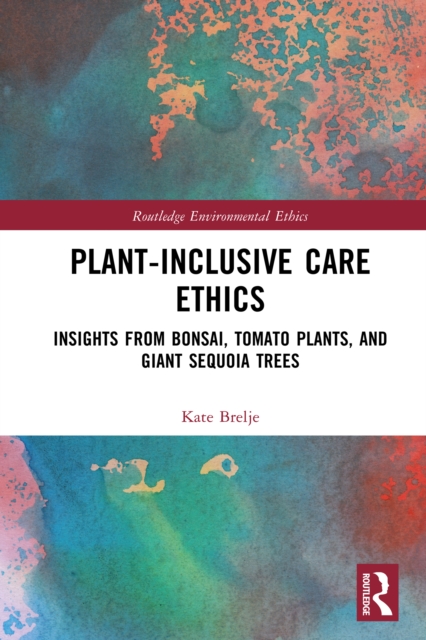
Examining anthropocentric assumptions and arguments in care ethics literature, this book argues that caring for plants represents a moral obligation and vital relationship between human carers and plant cared-fors.
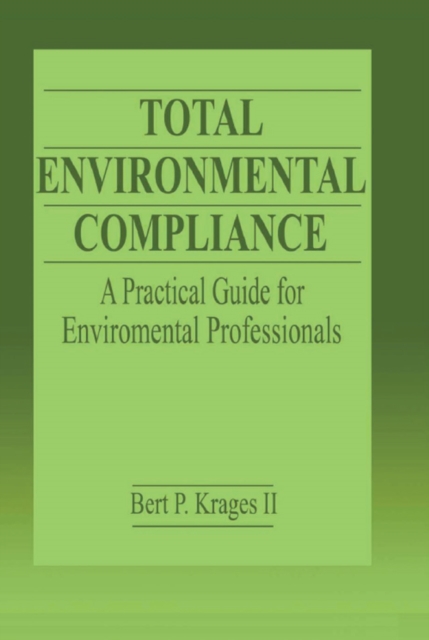
Total Environmental Compliance: A Practical Guide for Environmental Professionals gives you the background and skills you need to ensure total environmental compliance in your organization.
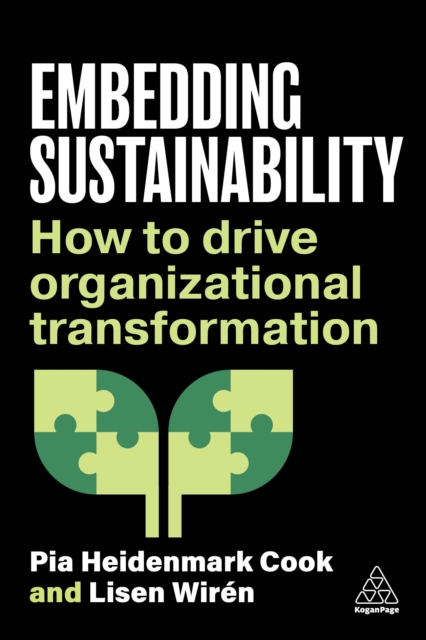
Embedding Sustainability is a practical, solutions-focused guide for sustainability managers and leaders to embed sustainability in organizations and drive improved performance.
Examining anthropocentric assumptions and arguments in care ethics literature, this book argues that caring for plants represents a moral obligation and vital relationship between human carers and plant cared-fors.
This handbook addresses the new watershed moment in youth environmental activism: the collision of the historic and globally prominent youth-centred movements on the one hand, with established, consolidated power in opposition to environmental action on the other.
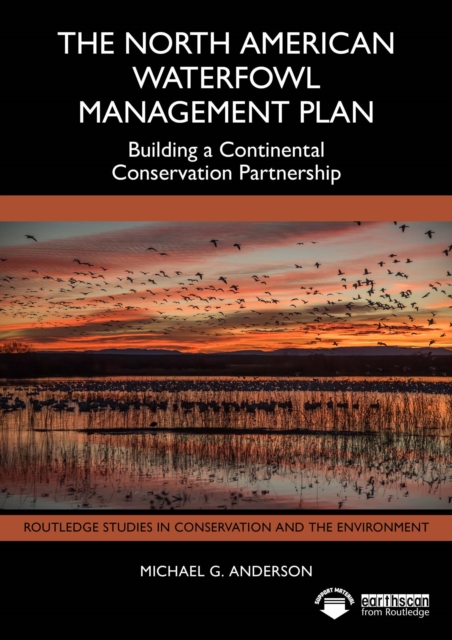
This book provides a compelling insider's account of The North American Waterfowl Management Plan (NAWMP), a groundbreaking initiative that has transformed avian conservation across the continent.
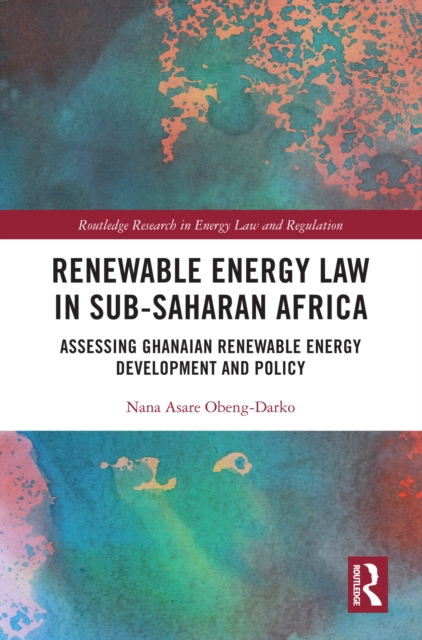
This book contributes to the broader discussion on the development of renewable energy sources for a clean and sustainable energy to drive sustainable growth, energy security and sustainable development.
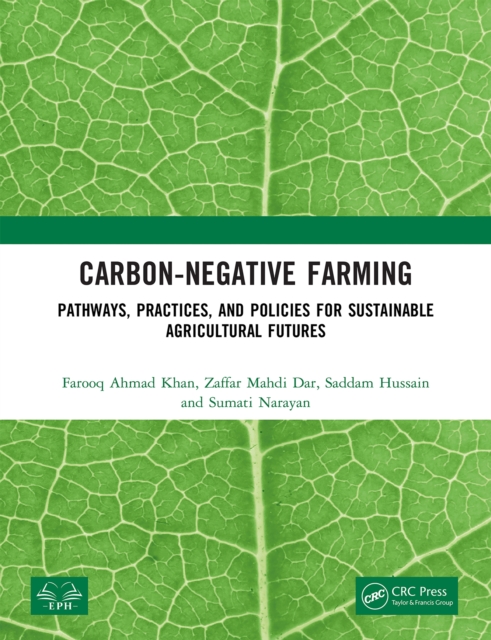
This book examines carbon-negative farming systems addressing science, methods, and policy mechanisms for achieving net-negative greenhouse gas outcomes.
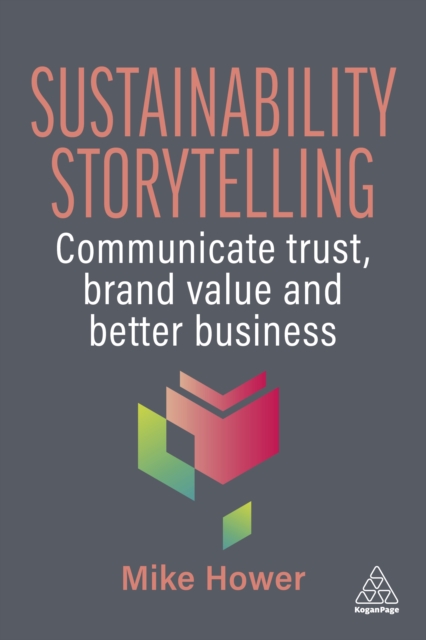
Develop a sustainability communication strategy that applies clear principles, builds credibility and delivers messages that move both business and sustainability goals forward.
High-Performance Concrete, Brick-Masonry and Environmental Aspects constitutes Volume 3 of the Proceedings of the 6th International Conference on Fracture Mechanics of Concrete and Concrete Structures (Catania, Italy, 17-22 June 2007).
'A funny and beautifully written welcome to the enigmatic, weird and wonderful world of wasps' DAVE GOULSON, author of SILENT EARTHThere may be no insect with a worse reputation than the wasp, and none guarding so many undiscovered wonders.
Discourse of Reciprocity reveals patterns of press behavior in the US-Canada alliance at points where the nature of the alliance itself was under stress.
Since the publication of the first edition of this volume in 1988, we have made great strides in reducing the amount of toxic waste that threatens our water, soil, and air.
The massive increase in consumer product waste, its toxicity, and the complexity of materials have created an unbearable financial and management burden for municipal officials-it has become untenable.
The fourth edition of Society and the Environment centers its discussion on realistic solutions to the problems that persist and examines current controversies within a socio organizational context, shifting focus away from simply explaining what is wrong with the world around us.
The scope of occupational safety and health (OSH) has evolved gradually and consistently in response to variations that are socio-political or scientific, or generated by profit-seeking.
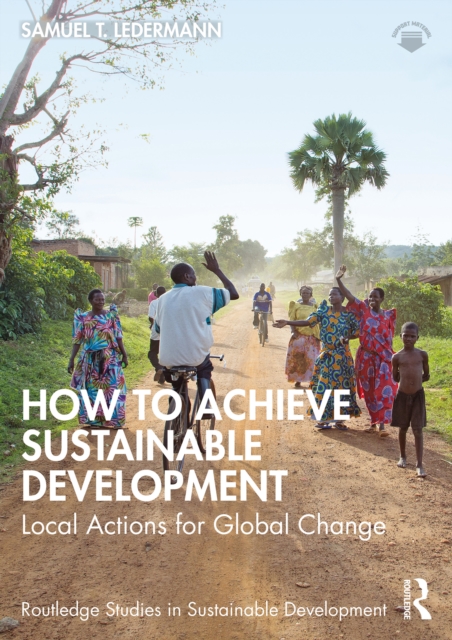
Aimed at practitioners and students in environmental studies, development, economics and geography, this book systematically investigates how sustainable development can be achieved at the local and global level.
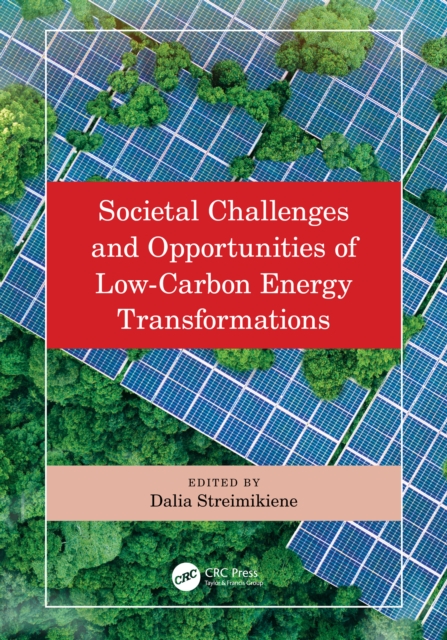
Low-carbon energy transformations to support carbon-neutral societies is an important and urgent topic and subject to current national priorities and socio-economic planning.
Balances Scientific and Economic Points of View to Thoroughly Address Management IssuesResponding to the need for clarification and benchmarks, Environmental Life Cycle Costing provides the fundamental basis on which to establish a definitive methodology.
The scope of occupational safety and health (OSH) has evolved gradually and consistently in response to variations that are socio-political or scientific, or generated by profit-seeking.
This accessible and practical shortform book details the properties and advantages of high-performance pre-engineered steel-concrete composite beams (HPCBs) for improving the sustainability of construction techniques.
Written by a leader in event sustainability management, this book is a practical, step-by-step guide taking readers through the key aspects of how to identify, evaluate, and manage event sustainability issues and impacts and to use the event for good - events of any style and scale, anywhere in the world.
This book encourages readers to acknowledge humanity's contribution to the environmental crisis, proposing a way forward by exploring the power of ordinary people to bring about large-scale cultural change.