This volume examines how post-Celtic Tiger Irish literature responds to overlapping economic and environmental crises through an innovative blending of realism, speculative, and gothic modes.
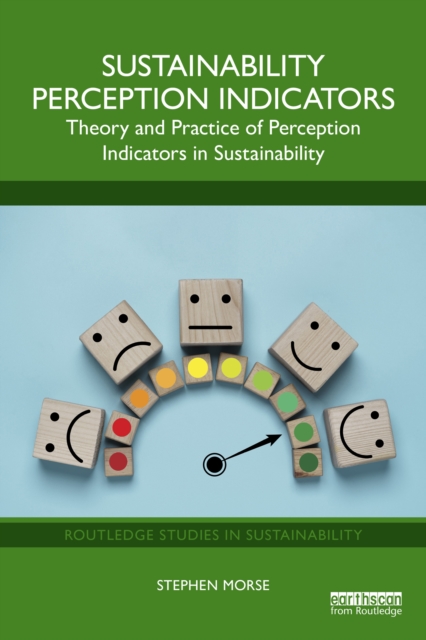
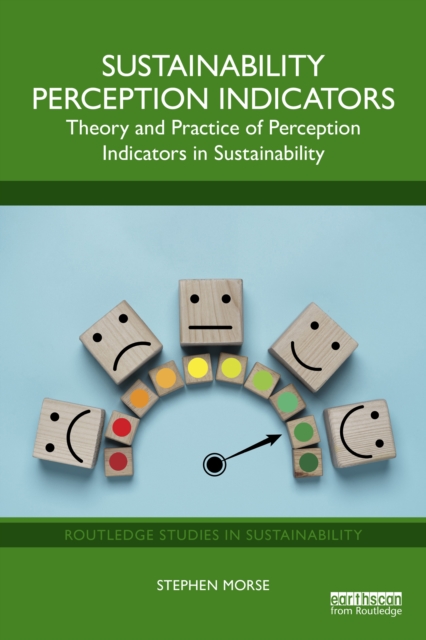
This book offers a comprehensive analysis of the background, practice, potential and challenges associated with developing and using perceptual indicators for assessing sustainability.
Examining recent developments in the use of thermal and non-thermal food processing methods, this book offers a thorough technical analysis of different processing methods and their possible advantages in improving food safety, quality, and shelf life.
This book reimagines what art institutions might become through the lens of three permaculture design principles-observe and interact, obtain a yield, and use and value diversity.
This book presents a holistic scientific approach to addressing current and future challenges in the sustainable management of land and water resources, supported by geospatial and hydrological modelling.
Experimental Evolution: The Making of a Modern Science connects molecular biology/biochemistry with ecology/evolution to show how molecular mechanisms and ecological processes work together to drive evolutionary change.
Experimental Evolution: The Making of a Modern Science connects molecular biology/biochemistry with ecology/evolution to show how molecular mechanisms and ecological processes work together to drive evolutionary change.
This book provides theoretical foundations for circular economy concepts, principles, and models while analysing their applications across agriculture, industry, and energy sectors.
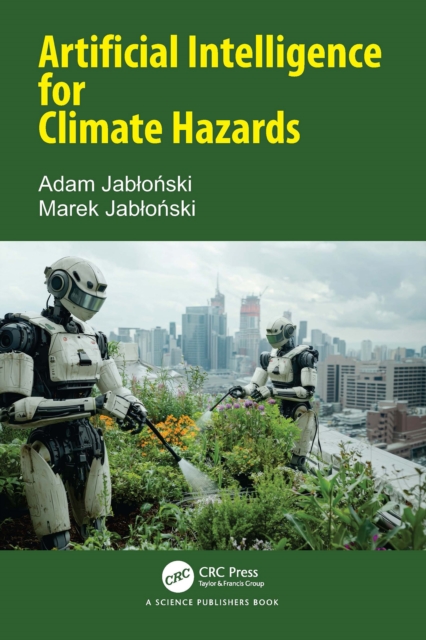
The aim of the monograph is to present a modern and original approach to the design and implementation of effective and efficient artificial intelligence solutions that ensure the induction of positive climate change.
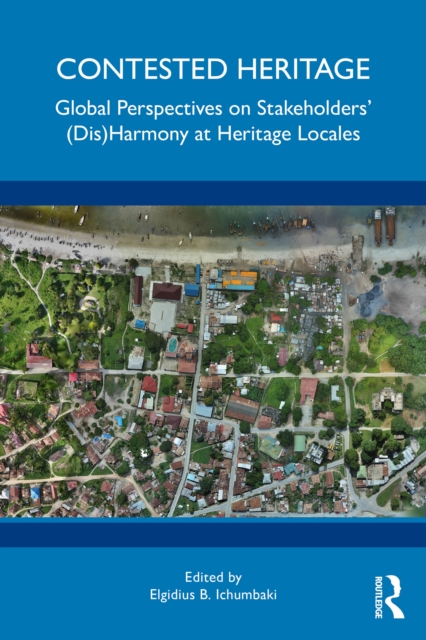
Contested Heritage: Global Perspectives on Stakeholders' (Dis)Harmony at Heritage Locales explores the intricate relationships surrounding heritage, emphasizing the diverse, often contradictory, meanings attributed to heritage sites, historic towns, and museum objects by various stakeholders.
This book explores the remarkable journeys that ducks, geese, and swans undertake each year in search of suitable migratory stopover and wintering habitats.
Smart Strategies for Phosphorus Management and Reutilization in Agriculture gives a comprehensive exploration of the state of phosphorus in soil, addressing the urgent challenge of its depletion while unveiling cutting-edge technologies designed to recycle this vital resource for future sustainability.
This book explores the intricate challenges and potential solutions in managing transboundary rivers in South Asia, a densely populated and ecologically diverse region.
This book offers a comprehensive analysis of the background, practice, potential and challenges associated with developing and using perceptual indicators for assessing sustainability.
This book reimagines what art institutions might become through the lens of three permaculture design principles-observe and interact, obtain a yield, and use and value diversity.
This book addresses the relationships among innovative technologies, methodologies, and processes and the different aspects of newly required digital and circular models that production systems and the economy must adopt and operate.
Contested Heritage: Global Perspectives on Stakeholders' (Dis)Harmony at Heritage Locales explores the intricate relationships surrounding heritage, emphasizing the diverse, often contradictory, meanings attributed to heritage sites, historic towns, and museum objects by various stakeholders.
The aim of the monograph is to present a modern and original approach to the design and implementation of effective and efficient artificial intelligence solutions that ensure the induction of positive climate change.
Environmental Ethics and Film presents and defends a systematic and comprehensive account of the moral relation between human beings and their natural environment and assumes that human behaviour toward the natural world can and is governed by moral norms.
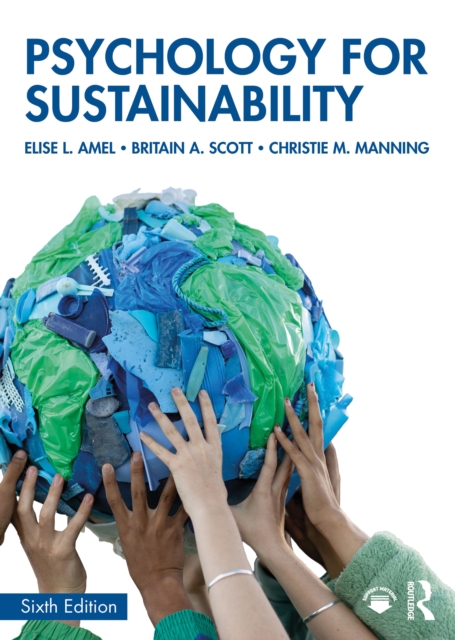
Now in its sixth edition and more crucial than ever, Psychology for Sustainability applies psychological science to environmental problems that manifest when human behavior disrupts and degrades natural systems.
This book provides theoretical foundations for circular economy concepts, principles, and models while analysing their applications across agriculture, industry, and energy sectors.
This book addresses the relationships among innovative technologies, methodologies, and processes and the different aspects of newly required digital and circular models that production systems and the economy must adopt and operate.