Out of sight of most Americans, global corporations like Nestl , Suez, and Veolia are rapidly buying up our local water sources lakes, streams, and springs and taking control of public water services.
THE SUNDAY TIMES BESTSELLER and RADIO 4 BOOK OF THE WEEK*An Economist, Financial Times, Times and New Statesman Book of the Year*Shortlisted for the FT Business Book of the Year Award and the British Academy Book Prize, Longlisted for the Wainwright Conservation Writing Prize'Compelling' TIM MARSHALL'Lively, rich and exciting' PETER FRANKOPAN'Vitally important' TIM HARFORD_____________Sand, salt, iron, copper, oil and lithium.
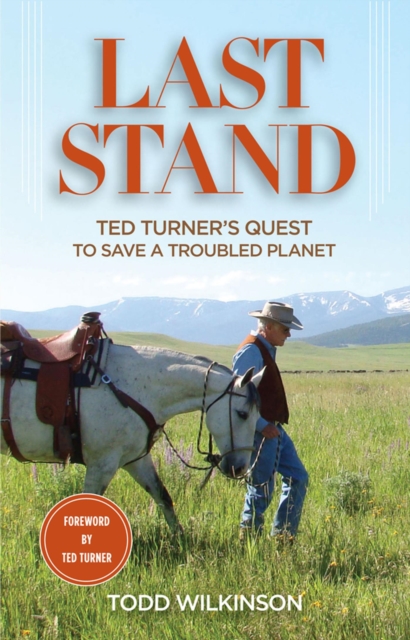
Entrepreneur and media mogul Ted Turner has commanded global attention for his dramatic personality, his founding of CNN, his marriage to Jane Fonda, and his companys merger with Time Warner.
The best-selling conservation classic, completely expanded, revised, and updatedDavid Morine was a briefcase conservationist specializing in human nature.
Spider Woman Walks This Land is a lively and accessible introduction to issues of traditional cultural properties and cultural resource management among native peoples in the United States.
While ecological and biophysical sciences have dominated the theory and practice of conservation, practitioners and researchers worldwide know that conservation initiatives have profound social impacts and consequences for local communities and cultures.
Crate presents the first cultural ecological study of a Siberian people: the Viliui Sakha, contemporary horse and cattle agropastoralists in northeastern Siberia.
In this modern era of global environmental crisis, Sing Chew provides a convincing analysis of the recurring human and environmental crises identified as Dark Ages.
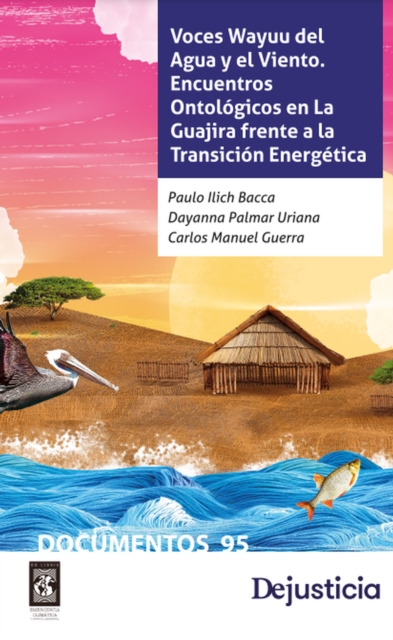
Voces Wayuu del Agua y el Viento: Encuentros Ontológicos en la Guajira frente a la Transición Energética es una obra que nos invita a sumergirnos en la cosmovisión Wayuu, un pueblo que entiende el mundo a través de los sueños y el respeto profundo por el agua y el viento.
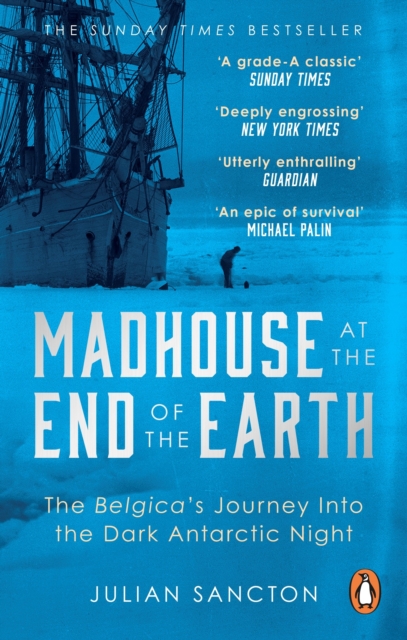
'An epic of survival' -- MICHAEL PALIN'A "e;grade-A classic"e;' -- SUNDAY TIMES'Utterly enthralling' -- GEOFF DYER, GUARDIAN'Deeply engrossing' -- NEW YORK TIMESLISTED AS A BOOK OF THE YEAR IN THE TIMES, NEW STATESMAN, SUNDAY TIMESThe harrowing, survival story of an early polar expedition that went terribly wrong, with the ship frozen in ice and the crew trapped inside for the entire sunless, Antarctic winter.
In The Future, former US Vice President Al Gore, explores the political, social and economic forces that are shaping what America and the world will become in ensuing decades.
A truly vegan lifestyle is more than just the food you eat, it's the shoes on your feet, the clothes in your wardrobe, the contents of your cupboards and your make-up bag.
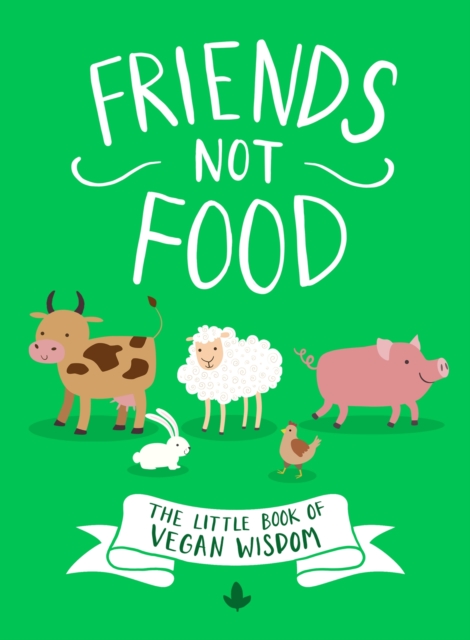
Chickens, Cows, Ducks, Sheep, Pigs, Rabbits, Trout, Salmon, Prawns, Lobsters - all of the animal kingdom - are not here for us to eat, we should be looking after them.
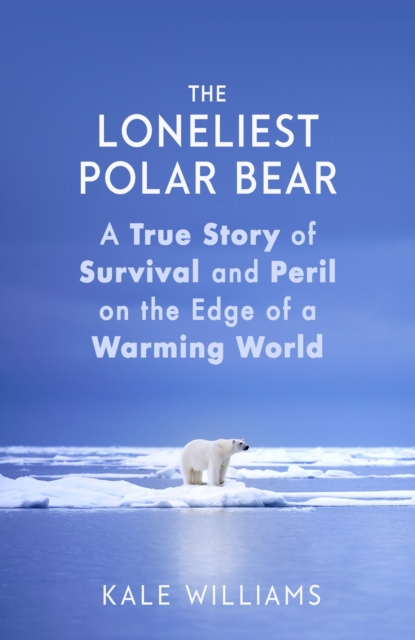
The heartbreaking and ultimately hopeful story of an abandoned polar bear cub named Nora and the humans working tirelessly to save her and her species, whose uncertain future in the accelerating climate crisis is closely tied to our own.
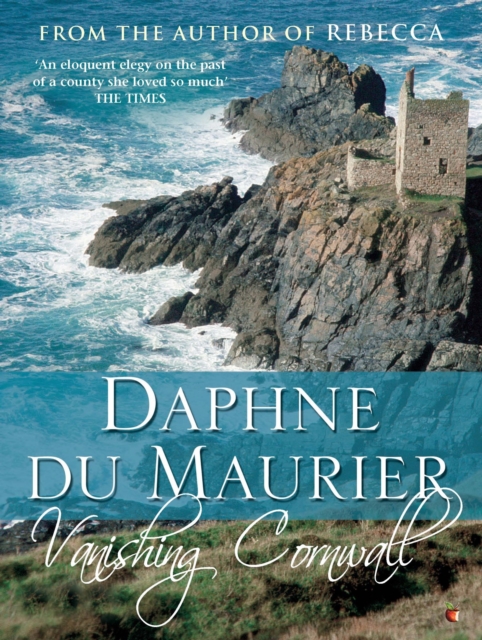
FROM THE BESTSELLING AUTHOR OF REBECCA'An eloquent elegy on the past of a county she loved so much' THE TIMES'This classic evocation of du Maurier's beloved home ranks as a work of art .
The images of migrants and refugees arriving in precarious boats on the shores of southern Europe, and of the makeshift camps that have sprung up in Lesbos, Lampedusa, Calais and elsewhere, have become familiar sights on television screens around the world.
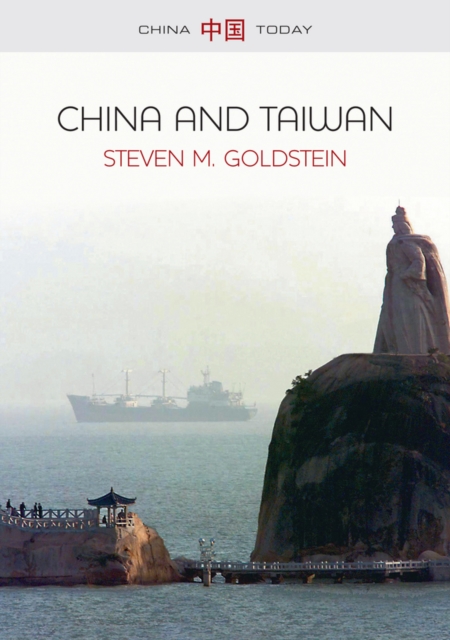
Relations between Taiwan and the People's Republic of China have oscillated between outright hostility and wary detente ever since the Archipelago seceded from the Communist mainland over six decades ago.
Ecological Politics in and Age of Risk by Ulrich Beck is an original analysis of ecological politics as one part of a renewed engagement with the domain of sub-politics.