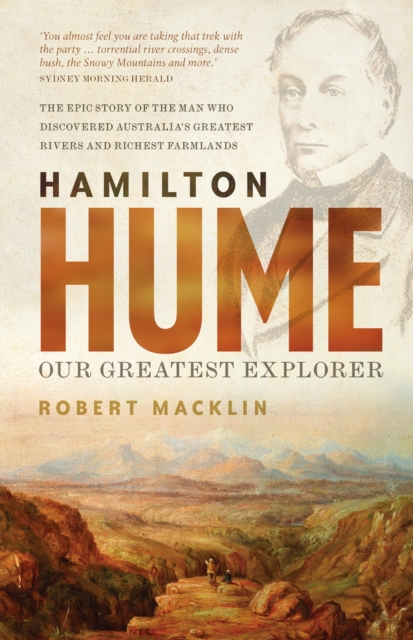
'You almost feel you are taking that trek with the party as Robert Macklin cites the obstacles - torrential river crossings, dense bush, the Snowy Mountains and more.
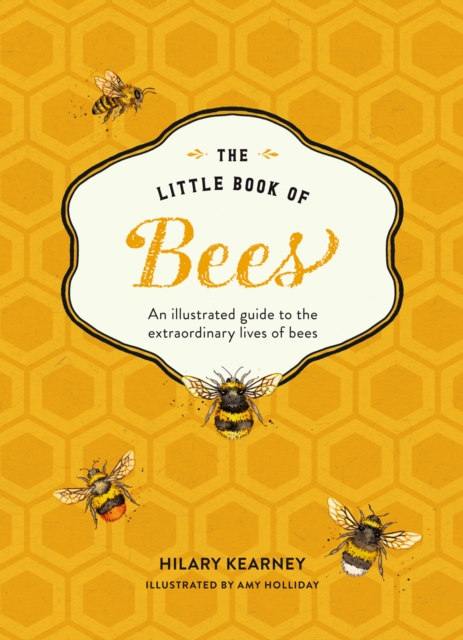
Bees continue to fascinate and charm us all - from novice gardeners and nature-lovers to dedicated environmentalists - and today, bees need our help more than ever.
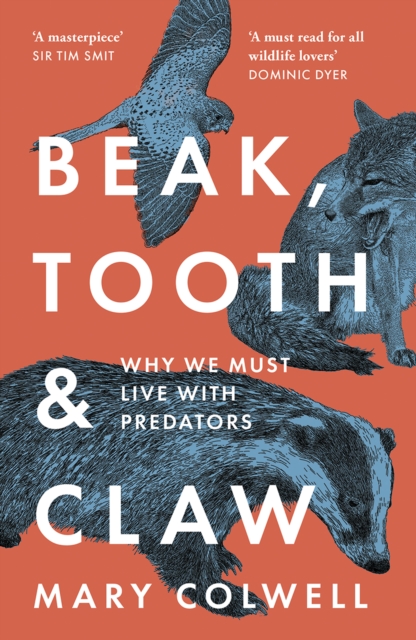
'A must read for all wildlife lovers' Dominic DyerFoxes, buzzards, crows, badgers, weasels, seals, kites - Britain and Ireland's predators are impressive and diverse and they capture our collective imagination.
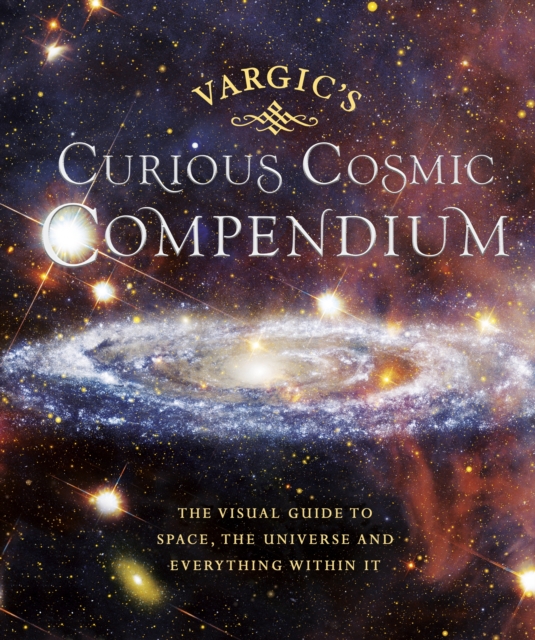
Take a trip to outer space with this weird and wonderful guide to our universe, the perfect gift for both young and old Vargic's beautifully innovative designs will help to explain all of the bizarre and fascinating aspects of the cosmos; from the history of the universe to what makes up our solar system and even how human life fits into the wider picture.
With an increase of global security concerns over potential terrorist acts, the threat of WMDs, and increasing political issues with nations seeking nuclear capability, the need to track, detect, and safeguard nuclear material globally has never been greater.
THE SUNDAY TIMES' BESTSELLER AND SCIENCE AND ENVIRONMENT BOOK OF THE YEARWINNER OF THE SUNDAY TIMES YOUNG WRITER OF THE YEAR AWARDSHORTLISTED FOR THE BAILLIE GIFFORD PRIZESHORTLISTED FOR THE WAINWRIGHT CONSERVATION AWARDSHORTLISTED FOR THE BRITISH ACADEMY BOOK PRIZESHORTLISTED FOR THE HIGHLAND BOOK PRIZE This is a book about abandoned places: ghost towns and exclusion zones, no man's lands and fortress islands - and what happens when nature is allowed to reclaim its place.
A richly illustrated nature tour of Galapagos-now expanded, thoroughly updated, and with more than 650 color photographsGalapagos is a comprehensive, up-to-date, and profusely illustrated natural history of this spectacular archipelago.
One of the greatest mysteries in reconstructing the history of life on Earth has been the apparent absence of fossils dating back more than 550 million years.
On October 23, 1852, Professor Augustus De Morgan wrote a letter to a colleague, unaware that he was launching one of the most famous mathematical conundrums in history--one that would confound thousands of puzzlers for more than a century.
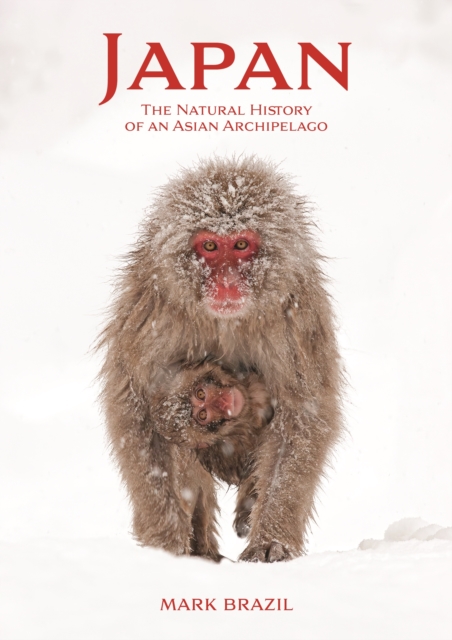
A comprehensive, richly illustrated guide to Japan's astonishing animals and plants-and the natural forces that have shaped themThis richly illustrated guide is the first comprehensive and accessible introduction to the extraordinary natural history of the Japanese archipelago.
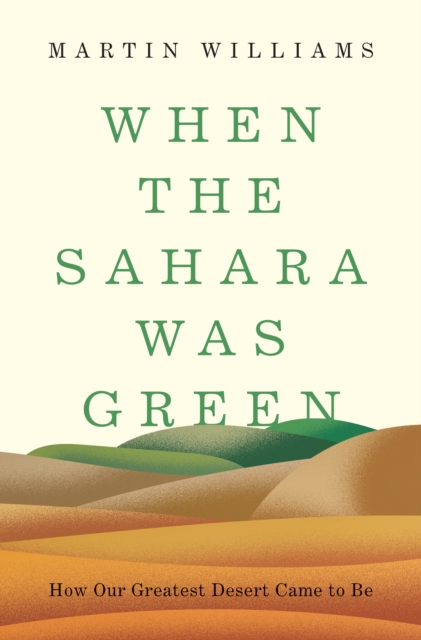
The little-known history of how the Sahara was transformed from a green and fertile land into the largest hot desert in the worldThe Sahara is the largest hot desert in the world, equal in size to China or the United States.
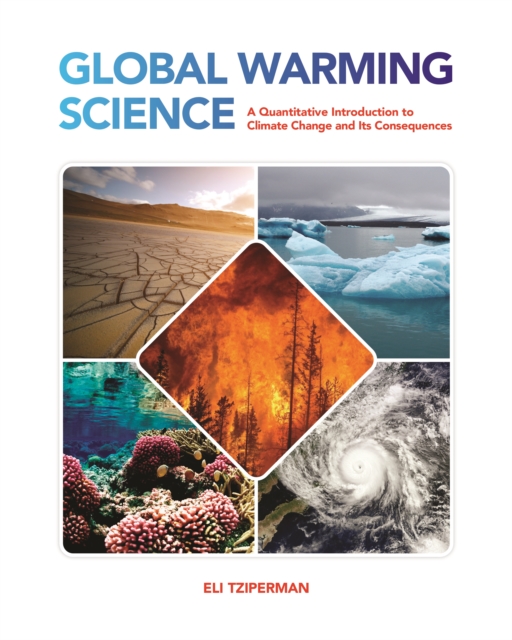
A quantitative, broad, hands-on introduction to the cutting-edge science of global warmingThis textbook introduces undergraduates to the concepts and methods of global warming science, covering topics that they encounter in the news, ranging from the greenhouse effect and warming to ocean acidification, hurricanes, extreme precipitation, droughts, heat waves, forest fires, the cryosphere, and more.
A groundbreaking approach to scale and scaling in ecological theory and practiceScale is one of the most important concepts in ecology, yet researchers often find it difficult to find ecological systems that lend themselves to its study.
From a Nobel Prize-winning pioneer in environmental economics, an innovative account of how and why "e;green thinking"e; could cure many of the world's most serious problems-from global warming to pandemicsSolving the world's biggest problems-from climate catastrophe and pandemics to wildfires and corporate malfeasance-requires, more than anything else, coming up with new ways to manage the powerful interactions that surround us.
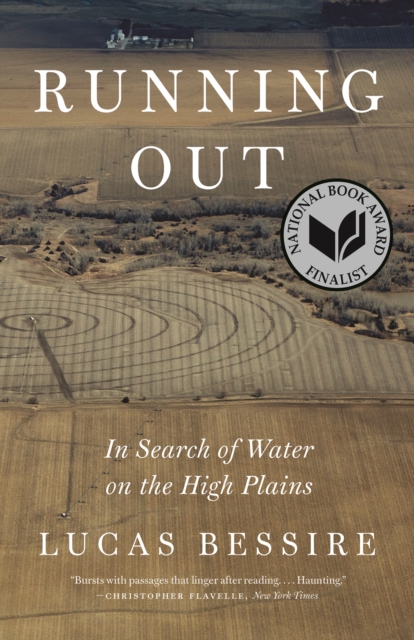
Finalist for the National Book AwardAn intimate reckoning with aquifer depletion in America's heartlandThe Ogallala aquifer has nourished life on the American Great Plains for millennia.
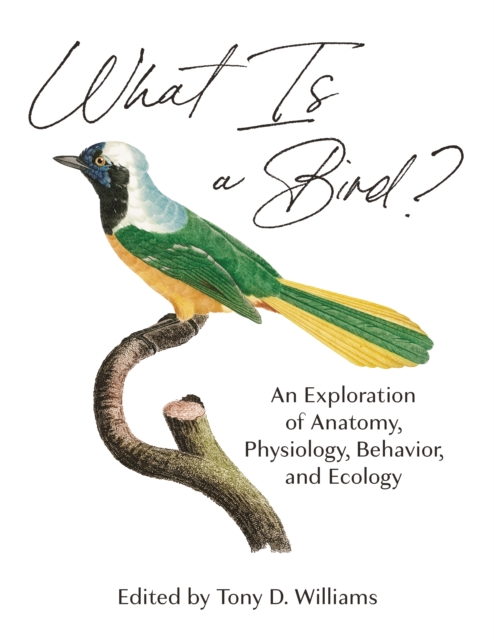
A large-format, beautifully illustrated look at the natural history of birdsThere are some 10,000 bird species in existence today, occupying every continent and virtually every habitat on Earth.
An urban history of modern Britain, and how the built environment shaped the nation's politicsFoundations is a history of twentieth-century Britain told through the rise, fall, and reinvention of six different types of urban space: the industrial estate, shopping precinct, council estate, private flats, shopping mall, and suburban office park.
A gripping history of the polar continent, from the great discoveries of the nineteenth century to modern scientific breakthroughsAntarctica, the ice kingdom hosting the South Pole, looms large in the human imagination.
A remarkable look at the rarest butterflies, how global changes threaten their existence, and how we can bring them back from near-extinctionMost of us have heard of such popular butterflies as the Monarch or Painted Lady.
The most up-to-date and authoritative resource on the biology and evolution of solitary beesWhile social bees such as honey bees and bumble bees are familiar to most people, they comprise less than 10 percent of all bee species in the world.
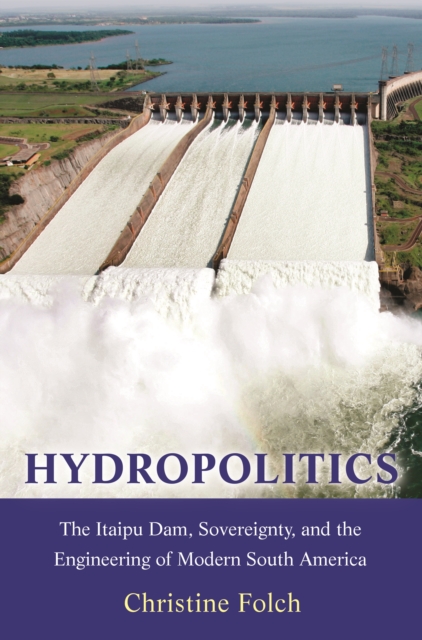
An in-depth look at the people and institutions connected with the Itaipu Dam, the world's biggest producer of renewable energyHydropolitics is a groundbreaking investigation of the world's largest power plant and the ways the energy we use shapes politics and economics.
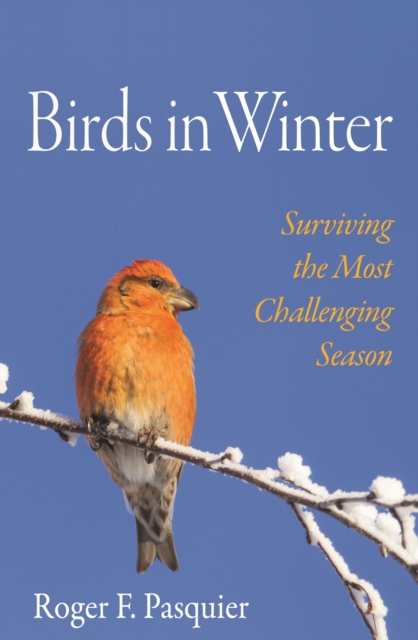
How birds have evolved and adapted to survive winterBirds in Winter is the first book devoted to the ecology and behavior of birds during this most challenging season.
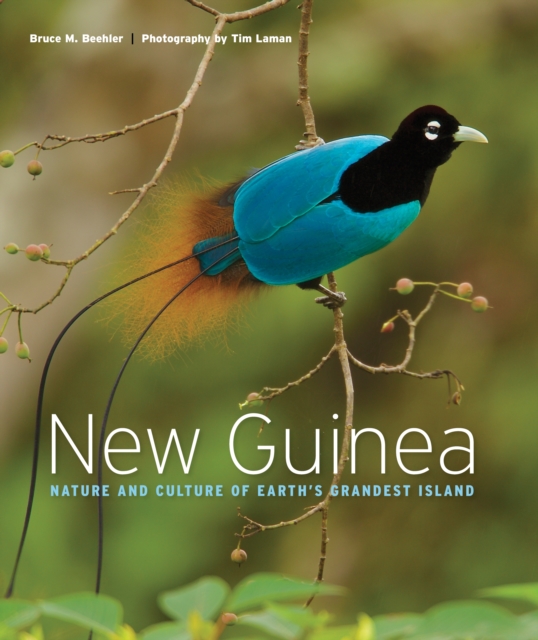
An enthralling exploration of the biologically richest island on Earth, featuring more than 200 spectacular color images by award-winning National Geographic photographer Tim LamanIn this beautiful book, Bruce Beehler, a renowned author and expert on New Guinea, and award-winning National Geographic photographer Tim Laman take the reader on an unforgettable journey through the natural and cultural wonders of the world's grandest island.
Give and Take looks at local drug manufacturing in Kenya, Tanzania, and Uganda, from the early 1980s to the present, to understand the impact of foreign aid on industrial development.
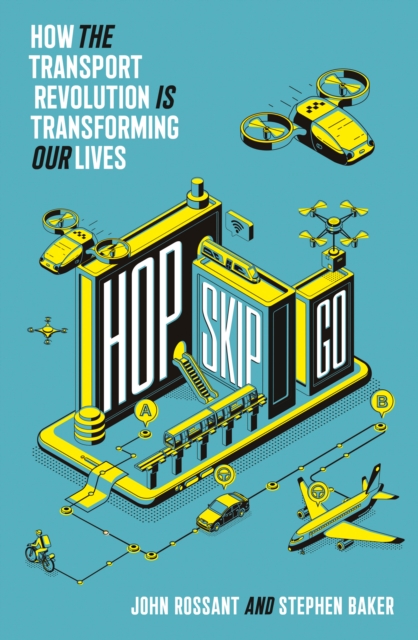
Urban expert John Rossant and business journalist Stephen Baker look beyond the false promises of the past to examine the real future of transportation and the repercussions for the world's cities, the global economy, the environment, and our individual lives.
A revealing look at the intersection of wealth, philanthropy, and conservationBillionaire Wilderness takes you inside the exclusive world of the ultra-wealthy, showing how today's richest people are using the natural environment to solve the existential dilemmas they face.
From Nobel Prize winner Syukuro Manabe and Anthony Broccoli, a definitive account of how we have come to understand the fundamental processes behind global warmingSyukuro Manabe is perhaps the leading pioneer of modern climate modeling.
Why an awareness of Earth's temporal rhythms is critical to our planetary survivalFew of us have any conception of the enormous timescales in our planet's long history, and this narrow perspective underlies many of the environmental problems we are creating for ourselves.
A Times and Sunday Times Book of the YearPeer into the secret, silent world of the freshwater fish and explore evolution of the art and industry of fishing in Britain's rivers and streams.
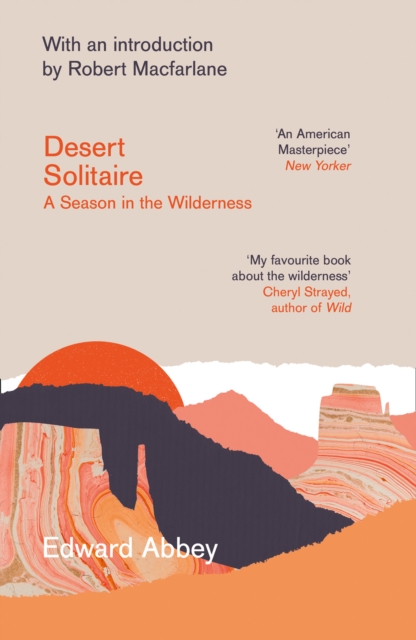
'My favourite book about the wilderness' Cheryl Strayed, author of WildIn this shimmering masterpiece of American nature writing, Edward Abbey ventures alone into the canyonlands of Moab, Utah, to work as a seasonal ranger for the United States National Park Service.
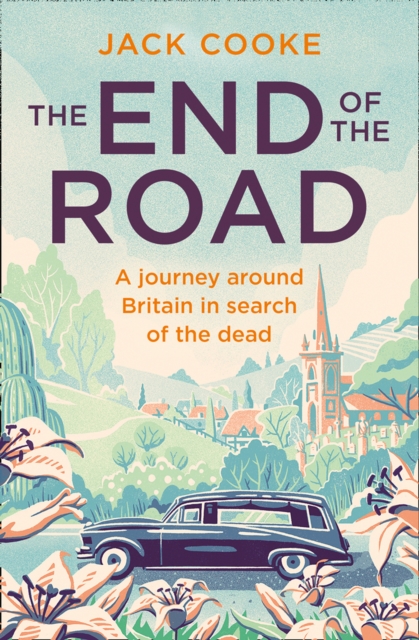
A wonderfully quixotic, charming and surprisingly uplifting travelogue which sees Jack Cooke, author of the much-loved The Treeclimbers Guide, drive around the British Isles in a clapped-out forty-year old hearse in search of famous - and not so famous - tombs, graves and burial sites.