From leaping dolphins to boxing hares, soaring eagles to the beat of a million wings - the British Isles offer some of the richest and most varied wildlife encounters in Europe.
A narrative account of Darwin's historic 4-year voyage on the Beagle to South America, Australia and the Pacific in the 1830s that combines the adventure and excitement of Alan Moorehead's famous (and now out of print) account with an expert assessment of the scientific discoveries of that journey.
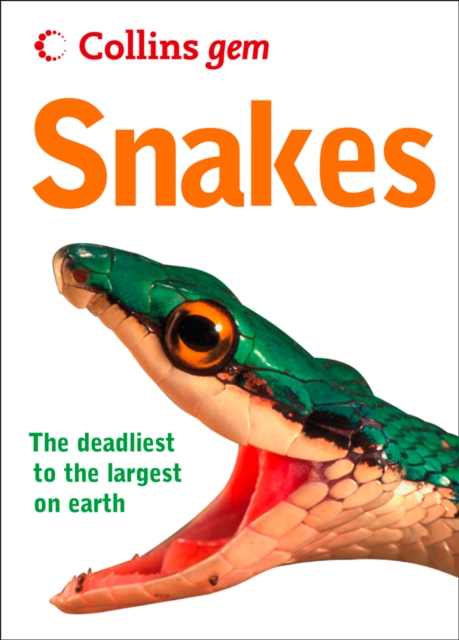
An easy-to-use and authoritative guide to over 220 species of snake from around the world, each entry specially selected to show the diversity of size, shape and colour of these respected creatures.
Travelling the circumference of the truly gigantic Pacific, Simon Winchester tells the story of the world's largest body of water, and - in matters economic, political and military - the ocean of the future.
The first comprehensive book to be published about the wildlife of the Brecon Beacons is a much-anticipated addition to the New Naturalist series, and reveals the natural wonders of this seemingly wild and inhospitable mountain landscape.
In the latest addition to the New Naturalist series, Ian Newton explores bird populations and what causes their fluctuation - food supplies, competitors, predators, parasites, pathogens and human activity.
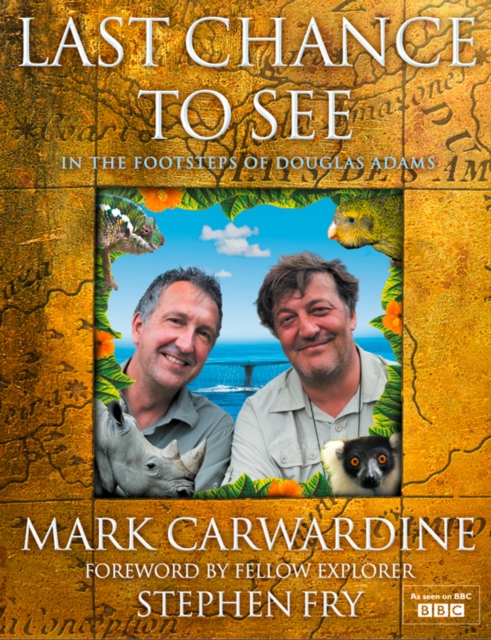
Join zoologist Mark Carwardine and Britain's best-loved wit and raconteur, Stephen Fry, as they follow in their great friend Douglas Adams' footsteps, in search of some of the rarest and most threatened animals on Earth.
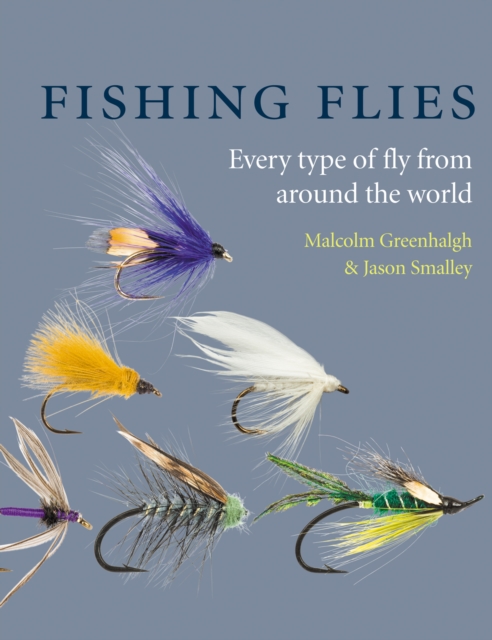
The most complete guide to fishing fliesDescribes every type of fly - freshwater and saltwaterCovers flies from around the worldEvery fly is illustrated with a specially taken photographFlies are tied by some of the world's most famous fly-tiersCollins Fishing Flies is the encyclopaedic guide to the huge range of flies now being used by the modern fly-fisherman, whether they are fishing for the traditional quarry of salmon and trout, chasing bonefish on the tropical flats of the Caribbean, or stalking pike in the cold fens of East Anglia, and everything in between.
WINNER OF THE FORWARD PRIZE FOR BEST FIRST COLLECTIONChosen as a Book of the Year by New Statesman, Financial Times, Guardian, Observer, Rough Trade and the BBCShortlisted for the Rathbones Folio PrizeLonglisted for the Jhalak Prize'Restlessly inventive, brutally graceful, startlingly beautiful .
'A scathing, lively and timely look at the "e;European city"e;, from one of our most provocative voices on culture and architecture today' Owen JonesA searching, timely account of the condition of contemporary Europe, told through the landscapes of its citiesOver the past twenty years European cities have become the envy of the world: a Kraftwerk Utopia of historic centres, supermodernist concert halls, imaginative public spaces and futuristic egalitarian housing estates which, interconnected by high-speed trains traversing open borders, have a combination of order and pleasure which is exceptionally unusual elsewhere.
A bold new perspective on the history of South Asia, telling its story through its climate, and the long quest to tame its watersSouth Asia's history has been shaped by its waters.
THE SUNDAY TIMES NATURE BOOK OF THE YEARThe new bestseller from the author of The Shepherd's Life'A beautifully written story of a family, a home and a changing landscape' Nigel Slater As a boy, James Rebanks's grandfather taught him to work the land the old way.
The story of both a dramatic journey retracing the historic voyage of France's greatest 19th-century explorer up the mysterious Mekong river, and a portrait of the river and its peoples today.
Another volume in the popular New Naturalist series, this book gives a comprehensive account of the natural history of Britain and Ireland's inland waters, many of which are popular holiday destinations.
A definitive natural history of the Yorkshire Dales, covering the range of wildlife habitats, rich cultural heritage and ecological history of one of our best-loved National Parks.
From Naomi Klein, author of the #1 international bestsellers, The Shock Doctrine and No Logo, a must-read on how the climate crisis needs to spur transformational political changeWe seem to have given up on any serious effort to prevent catastrophic climate change.