Este libro ofrece una propuesta de gestión de la ciencia, la tecnología y la innovación para identificar, valorar y aprovechar las potencialidades de un territorio concreto que, a partir de sus propias variables físicas (formación geológica, estructura geomorfológica, suelos, climatología, hidrología, hidrogeología, etc.
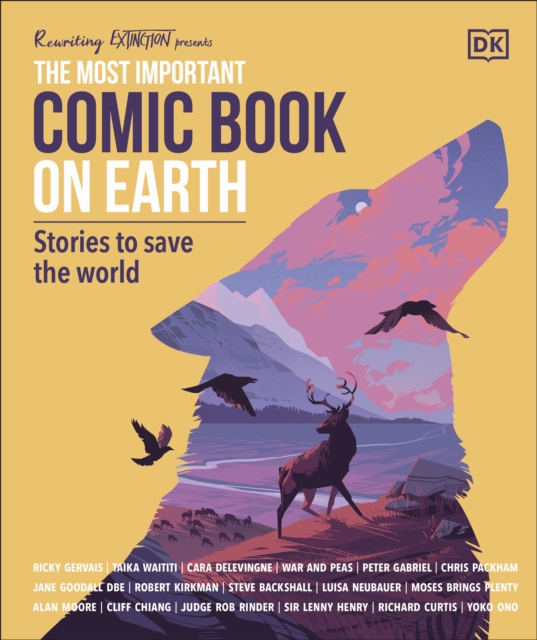
The Most Important Comic Book On Earth is a global collaboration for planetary change, bringing together a diverse team of 300 leading environmentalists, artists, authors, actors, filmmakers, musicians, and more to present over 120 stories to save the world.
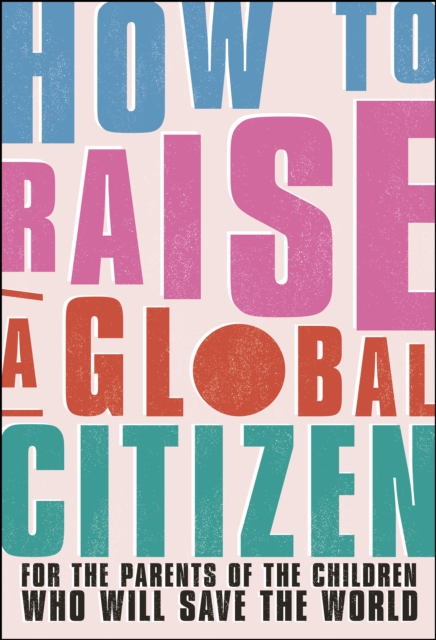
Our children have the energy, capacity, and passion to create and nurture a global culture in which inclusion, acceptance, respect, and participation are the core values that underpin a human being's every interaction.
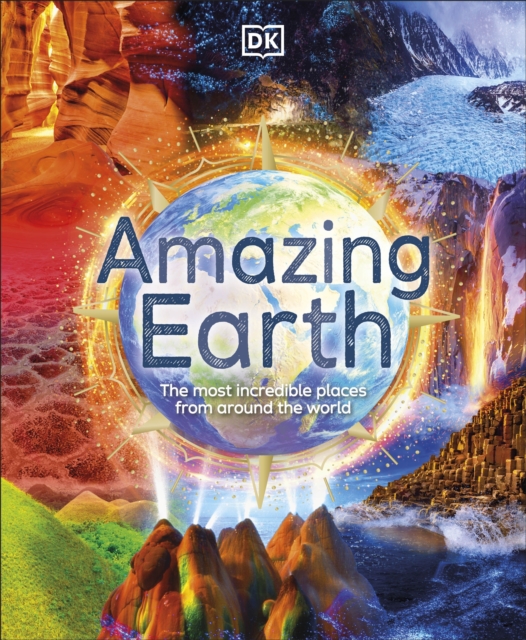
An exhilarating guided tour around the most unbelievable, unusual, and incredible places on Earth - perfect for readers aged 7+ with big imaginations and a thirst for adventure.
Become an Earth expert and find out all you need to know about our planet - from the tallest mountain to the deepest ocean trenches - in this brilliant mini ebook.
On the brink of a critical moment in human history, this book presents a vision of "e;planetary stewardship"e; - a rethinking of our relationship with our planet - and plots a new course for our future.
'An inspirational manifesto for change' Caroline Lucas, former leader of The Green Party 'A remarkable and important book' Steve Backshall, Naturalist, Broadcaster, and Author'Astute, erudite and crystalline, Bella writes with visionary clarity and passion [.
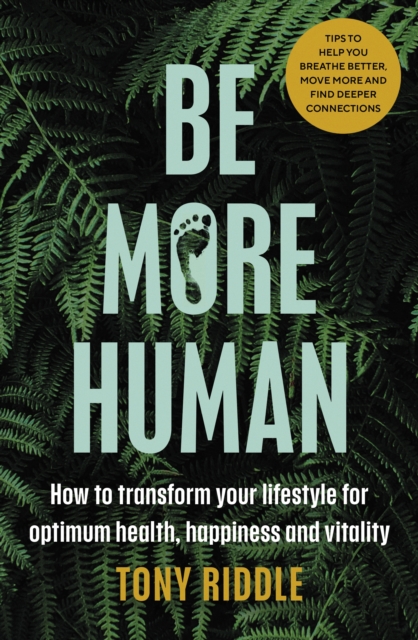
'Tony Riddle's mission is to present ways of living that are more in sync with our human biology, to help us thrive in this modern world' Dr Rangan Chatterjee'This book is brilliant with such an important message' The Happy Pear ___________________________The ultimate guide to boosting your mental and physical health by reconnecting with the way we, as humans, were supposed to live, eat, sleep, breathe and move.
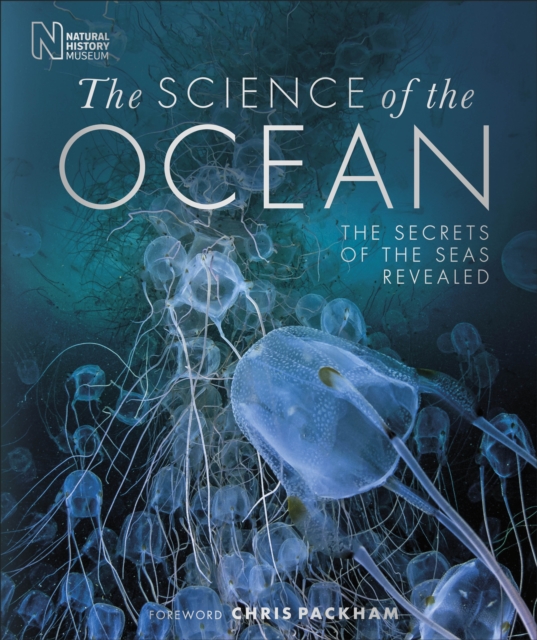
Dive into this uniquely elegant visual exploration of the sea An informative and utterly beautiful introduction to marine life and the ocean environment, The Science of the Ocean ebook brings the riches of the underwater world onto the printed page.
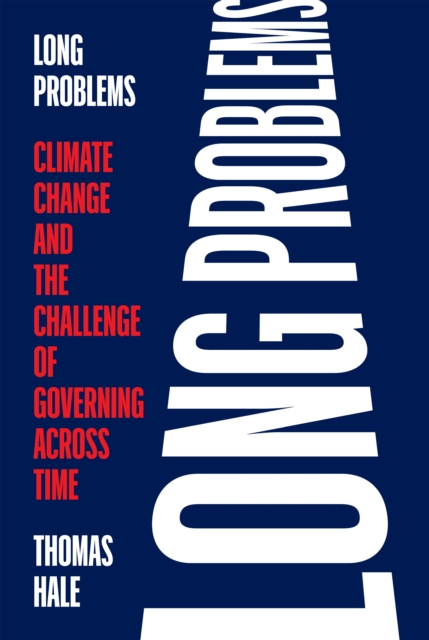
Political strategies for tackling climate change and other ';long problems' that span generationsClimate change and its consequences unfold over many generations.
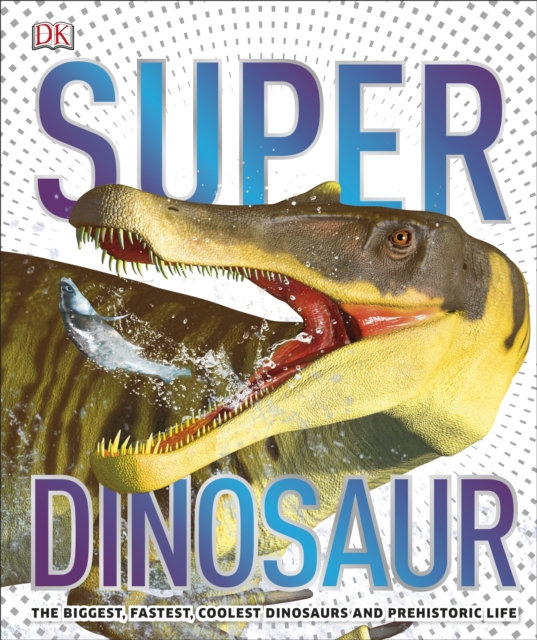
From the biggest teeth to the longest claws, SuperDinosaur uses jaw-dropping new lifelike images to bring you face-to-face with the most fearsome creatures that ever stalked the Earth.
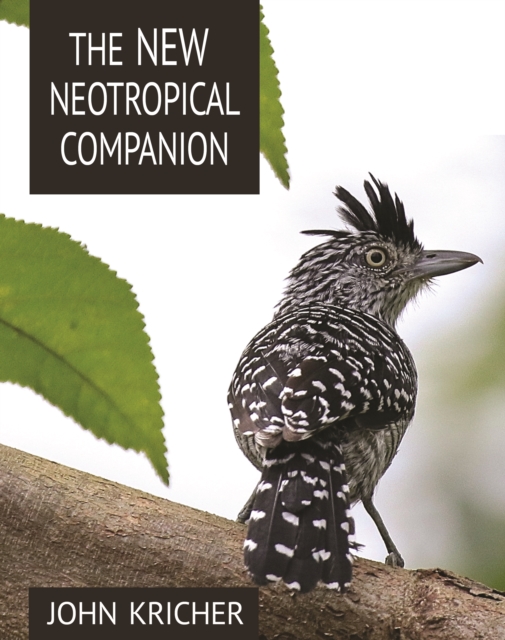
The acclaimed guide to the ecology and natural history of the American tropics-now fully updated and expandedThe New Neotropical Companion is the completely revised and expanded edition of a book that has helped thousands of people to understand the complex ecology and natural history of the most species-rich area on Earth, the American tropics.
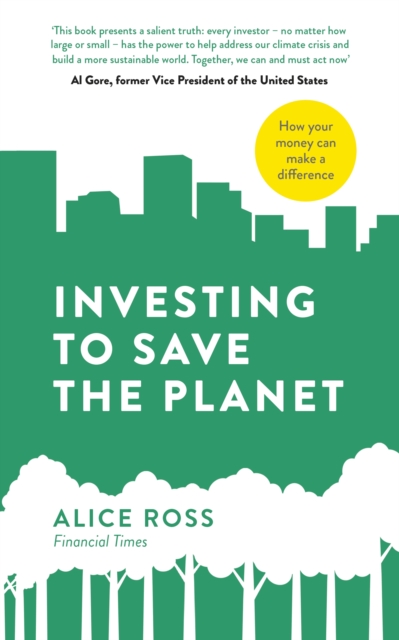
'This book presents a salient truth: every investor - no matter how large or small - has the power to help address our climate crisis and build a more sustainable world.
"e;It's up to every single one of us to do our bit for wildlife, however small our gardens, and The Butterfly Brothers know just how that can be achieved.
A new expanded and illustrated edition of the history-making speeches of Greta Thunberg, the young activist who has become the voice of a generation'We are the change and change is coming' In August 2018 a fifteen-year-old Swedish girl, Greta Thunberg, decided not to go to school one day.