The award-winning poet's darkly riotous debut, exploring stereotypes of Black male identity and sexuality in a corrupt systemLyrical, loud and radically urgent, Jonah Mixon-Webster's debut aims its sights at the words and images that shape us and the corrupt forces that stand in the way of our freedom.
Through 140 drawings, thought experiments, recipes, activist instructions, gardening ideas, insurgences and personal revolutions, artists who spend their lives thinking outside the box guide you to a new worldview; where you and the planet are one.
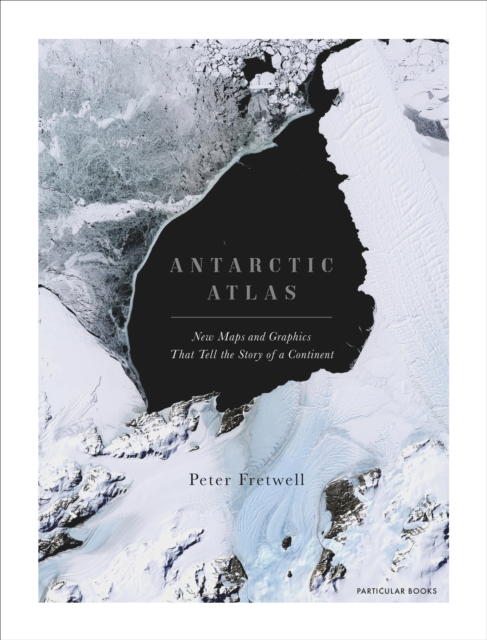
A leading cartographer from the British Antarctic Survey maps the continent in ways never seen before, revealing a landscape as alien as it is vital to our very existenceOne of the least-known places on the planet, the only continent on earth with no indigenous population, Antarctica is a world apart.
Now recognized as one of the most influential books of the twentieth century, Silent Spring exposed the destruction of wildlife through the widespread use of pesticides 'Rachel Carson educated a planet.
The international bestseller that gives you the facts about climate changeWhen students David Nelles and Christian Serrer struggled to find a book that explained the nuts and bolts of climate change in a way that was comprehensive, concise and enjoyable to read, they decided to write it themselves.
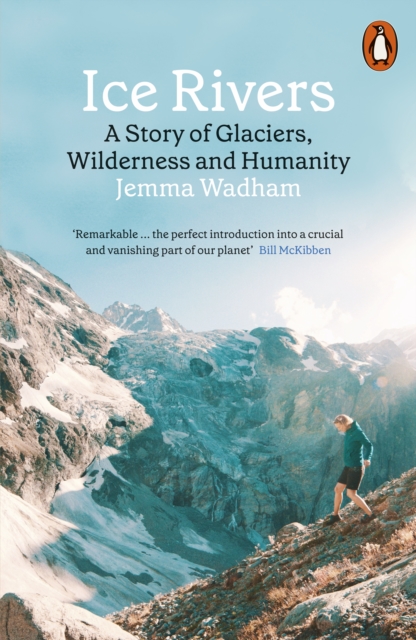
Longlisted for the Wainwright PrizeShortlisted for the Richard Jeffries AwardThe story of one woman's passion for glaciersAs one of the world's leading glaciologists, Professor Jemma Wadham has devoted her career to the glaciers that cover one-tenth of the Earth's land surface.
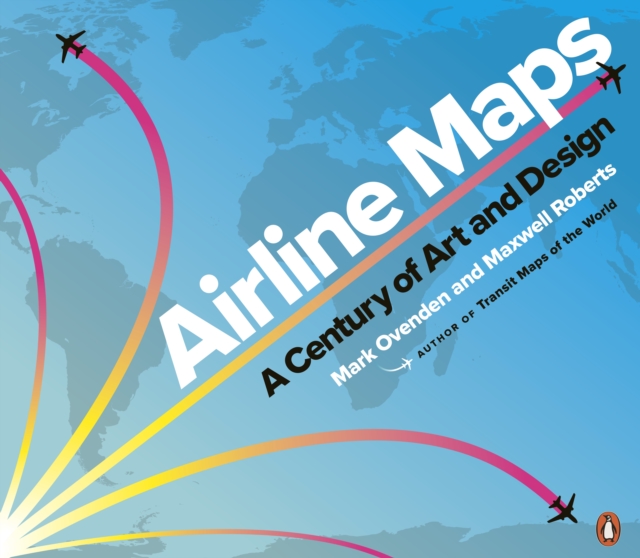
In this gorgeously illustrated collection of airline route maps, Mark Ovenden and Maxwell Roberts look to the skies and transport readers to another time.
The Sunday Times bestseller *Shortlisted for the Wainwright Prize*A New Statesman and Spectator Book of the Year'This book calls for nothing less than a revolution in the future of food' Kate RaworthFrom the bestselling author of Feral, a breathtaking first glimpse of a new future for food and for humanityFarming is the world's greatest cause of environmental destruction - and the one we are least prepared to talk about.
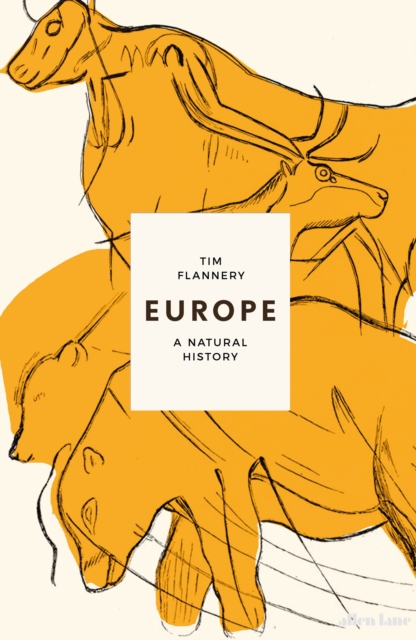
A place of exceptional diversity, rapid change, and high energy, Europe has literally been at the crossroads of the world ever since the interaction of Asia, North America and Africa formed the tropical island archipelago that would become the continent of today.
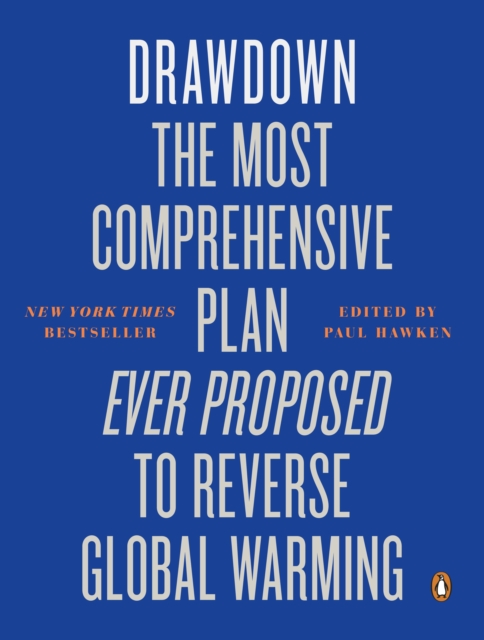
NEW YORK TIMES BESTSELLERFor the first time ever, an international coalition of leading researchers, scientists and policymakers has come together to offer a set of realistic and bold solutions to climate change.
'Sitting not far below my feet, there was a thermonuclear warhead about twenty times more powerful than the bomb that destroyed Hiroshima, all set and ready to go.
Daphne Sheldrick's best-selling love story of romance, life and elephants, An African Love Story: Love, Life and Elephants is an incredible story from Africa's greatest living conservationist.
'When you have a large collection of animals to transport from one end of the world to the other you cannot, as a lot of people seem to think, just hoist them aboard the nearest ship and set off with a gay wave of your hand.
'In the gloom it came along the branches towards me, its round, hypnotic eyes blazing, its spoon-like ears turning to and fro independently like radar dishes .
Happy City is the story of how the solutions to this century's problems - from climate change to overpopulation - lie in unlocking the secrets to great city living This is going to be the century of the city.
From Dubai to Amsterdam, Memphis to South Korea, a new phenomenon is reshaping the way we live and transforming the way we do business: the aerotropolis.
From famed investigative journalist Eric Schlosser, author of Fast Food Nation, comes Command and Control a ground-breaking account of the management of nuclear weaponsA groundbreaking account of accidents, near-misses, extraordinary heroism and technological breakthroughs, Command and Control explores the dilemma that has existed since the dawn of the nuclear age: how do you deploy weapons of mass destruction without being destroyed by them?
THE EXTRAORDINARY TALE OF THE FATHER OF MODERN GEOLOGYHidden behind velvet curtains above a stairway in a house in London's Piccadilly is an enormous and beautiful hand-coloured map - the first geological map of anywhere in the world.
For six centuries the Republic of Venice was a maritime empire, its sovereign power extending throughout much of the eastern Mediterranean an empire of coasts, islands and isolated fortresses by which, as Wordsworth wrote, the mercantile Venetians 'held the gorgeous east in fee'.
One of the key works in the nineteenth-century battle between science and Scripture, Charles Lyell's Principles of Geology (1830-33) sought to explain the geological state of the modern Earth by considering the long-term effects of observable natural phenomena.
"e;Not since Darwin has an author so lifted the science of ecology with insight and delightful imagery"e; - Richard Dawkins In this book a master scientist tells the great story of how life on earth evolved.
The Weather Makers tells the dramatic story of the earth's climate, of how it has changed, how we have come to understand it, and of what that means for the future.
How the utopian tradition offers answers to today's environmental crisesIn the face of Earth's environmental breakdown, it is clear that technological innovation alone won't save our planet.
'Bracingly apocalyptic stuff: atmospheric, chock-full of information and with a constantly escalating sense of pace and tension' Sunday TelegraphSimon Winchester's brilliant chronicle of the destruction of the Indonesian island of Krakatoa in 1883 charts the birth of our modern world.
Tim Flannery s international bestseller The Weather Makers has sold over a million copies and influenced politicians, movie stars, even business leaders - after reading it, Sir Richard Branson pledged more than 3 billion dollars towards developing sustainable energy sources.
Renaissance diplomat and part-time spy, William Hakluyt was also England's first serious geographer, gathering together a wealth of accounts about the wide-ranging travels and discoveries of the sixteenth-century English.
In The Universe Within, Neil Shubin, one of the world's leading experts, reveals to us the extraordinary cosmic and evolutionary adventure of our own bodies.