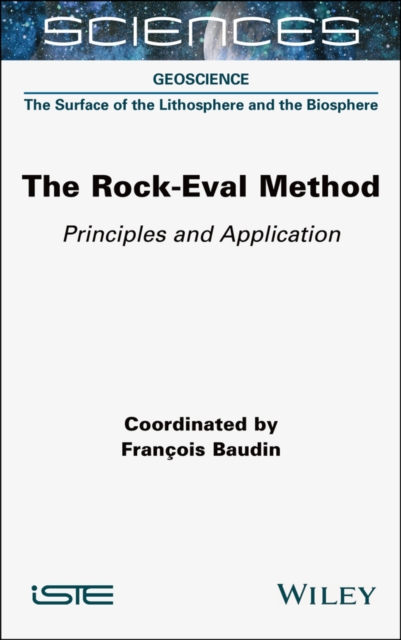
This book presents the Rock-Eval method, which was invented in France in the 1970s and is used by the oil industry worldwide to characterize source rocks and reservoir rocks as well as their petroleum potential.
- Mediante un recorrido por el mundo a través de magníficos mapas de territorios y épocas distintos, la escritora Francisca Mattéoli nos ofrece una aventura geográfica sorprendente, en una veintena de textos sobre los lugares que la han inspirado.
"e;Three steps into Oneness"e;To face the challenges of modern life, we need to evolve a new view of awakening by being balanced within the wisdom of the Absolute and the Relative.
Este libro utiliza las herramientas que proporciona la geografíapara ayudar al lector español a apreciar su país, aportándoledatos y argumentos que expresen mejor su sentimientode pertenencia y simpatía por España.
In 'The Incredible Travel Tales of John Muir (Illustrated Edition)', readers are taken on a vivid journey through the adventures of the renowned naturalist and conservationist, John Muir.
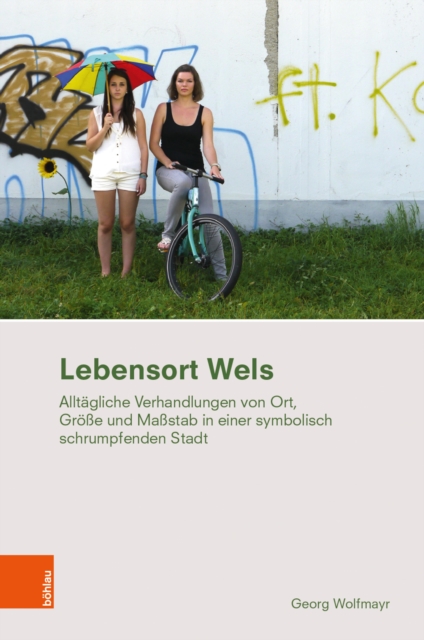
Das vorliegende Buch untersucht mit der oberösterreichischen Mittelstadt Wels eine Stadt "off the map", die nicht im Zentrum der gesellschaftlichen und auch wissenschaftlichen Aufmerksamkeit steht.
Oz Clarke is recognized the world over as one of the leading experts on wine and this new book, Oz Clarke's World of Wine, is an entertaining yet authoritative guide to the world of wine that has grown out of all recognition in the last 20 years.
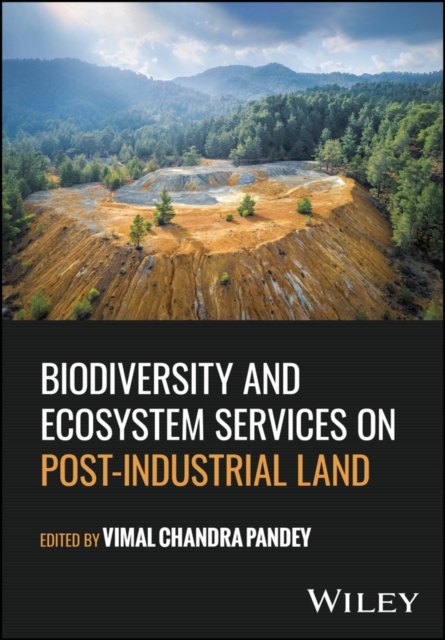
Guide to post-industrial site restoration and re-establishment of rich communities of plant species for the provision of key ecosystem services In line with the UN sustainable development goals, Biodiversity and Ecosystem Services on Post-Industrial Land is an expert guide to ecological restoration of post-industrial lands, explaining how to re-introduce biodiversity and ecosystem services by implementing natural processes in the rehabilitation of disturbed sites.
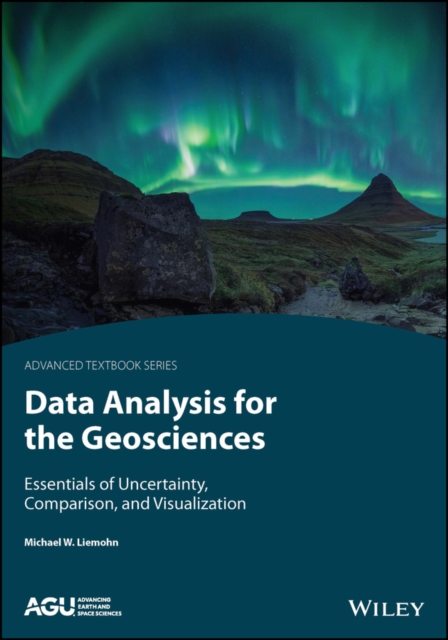
An initial course in scientific data analysis and hypothesis testing designed for students in all science, technology, engineering, and mathematics disciplines Data Analysis for the Geosciences: Essentials of Uncertainty, Comparison, and Visualization is a textbook for upper-level undergraduate STEM students, designed to be their statistics course in a degree program.
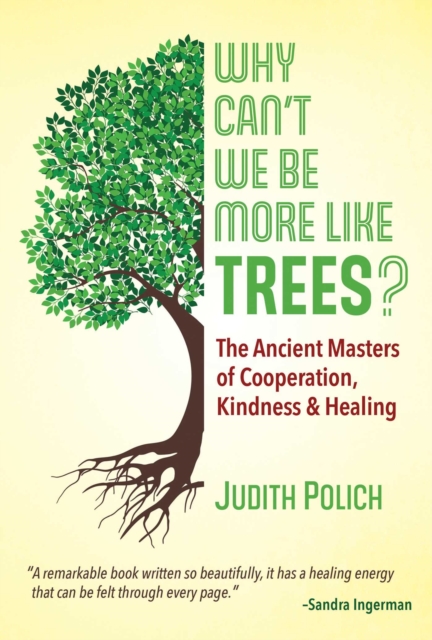
Reveals how we can learn from the intelligent communities of trees and plants Shares breakthrough research on how tree and plant communities function, revealing a holistic, interconnected, communal, and sentient new world Examines the attributes we share with trees and plants and how the behaviors of altruism, cooperation, and community are genetically coded in our beings Looks at how to learn to see, think, imagine, and live with holistic eco-centric awareness and the benefits that come from working with our plant allies Breakthrough research is not only revealing a brilliant green world with amazing attributes like dispersed intelligence but also that humanity, like the tree and plant kingdom, thrives on innate cooperation, sharing, altruism, and community.
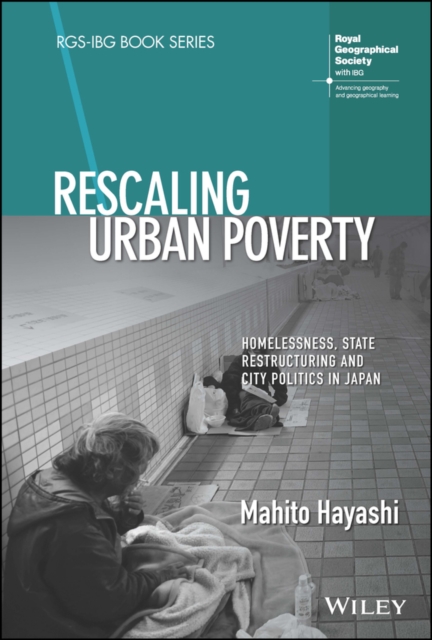
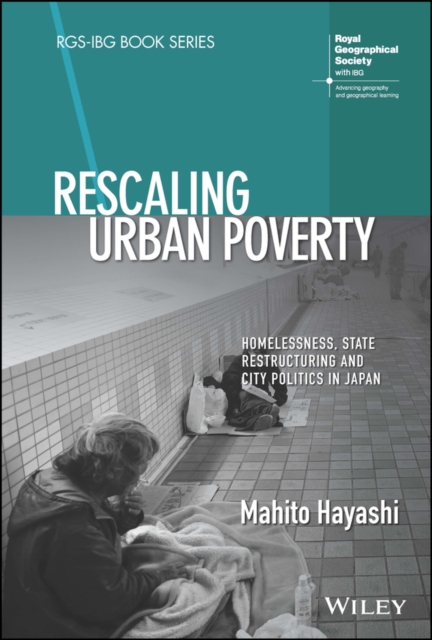
RESCALING URBAN POVERTY In this path-breaking book, Mahito Hayashi explores the rescaled geographies of homelessness that have been produced in contemporary Japanese cities.
RESCALING URBAN POVERTY In this path-breaking book, Mahito Hayashi explores the rescaled geographies of homelessness that have been produced in contemporary Japanese cities.
Riesige, neuartige Wald- und Buschbrände, gigantische Sturzregen, beschleunigte Vernichtung der Wälder, Dürrekatastrophen und Tornados - nahezu täglich Katastrophenmeldungen in Zeitungen und News-Tickern.
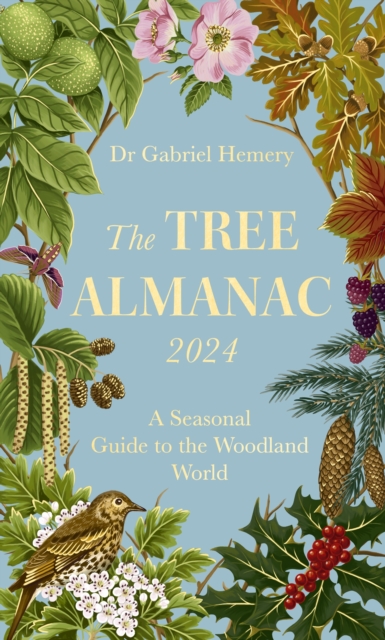
'The perfect accompaniment to a year of forest walks'Gardens Illustrated 'Books of the Year'A seductive mix of science, history and culture'Tracy Chevalier'I love this book'Lauren Laverne, as featured on BBC Radio 6 MusicA wondrous seasonal journey through Britain and Ireland's trees.
Obwohl Menschen auf keinen Fall zu den gefährdeten Tierarten auf diesem Planeten gehören, treibt Menschen offensichtlich die Sorge und die Befürchtung um, dass die Menschheit nicht überleben und damit die Tierart Homo sapiens für immer ausgelöscht werden könnte.