This book is directly aligned to the NEBOSH Certificate in Environmental Management, which is a qualification aimed primarily at those in business who influence the environmental performance of their organisation by the decisions that they make as managers or the actions that they take as operators.
In recent years, the Circular Economy (CE) has gained worldwide attention as an effective alternative economic system to the current take-make-waste model of production and consumption.
In recent years, the Circular Economy (CE) has gained worldwide attention as an effective alternative economic system to the current take-make-waste model of production and consumption.
This book presents a critical understanding of Indian business situated as an encounter between indigeneity and Western modernity by exploring notions and practices of responsibility.
This book presents a critical understanding of Indian business situated as an encounter between indigeneity and Western modernity by exploring notions and practices of responsibility.
Understanding how to build and manage a sustainability business plan has become a business imperative as investors demand, regulators require, and stakeholders increasingly expect companies to report their financial economic sustainability performance (ESP) and non-financial environmental, social, and governance (ESG) sustainability information.
This book explores the overlapping interests of corporate responsibility and sustainable development, specifically focusing on the dynamics of social change, sustainability governance and evaluation, and creating social value.
This book explores the overlapping interests of corporate responsibility and sustainable development, specifically focusing on the dynamics of social change, sustainability governance and evaluation, and creating social value.
Environmental policy agendas, activism and academic research into ecological questions are all predominantly derived from the philosophical perspectives of the West.
Environmental policy agendas, activism and academic research into ecological questions are all predominantly derived from the philosophical perspectives of the West.
Contemporary confluences of leadership decision-making and citizenship behavior often unintentionally contribute to the depletion of the world's resources - escalating health, education, and social crises, as well as community, societal, and cultural struggles - to adapt to emerging global shifts.
Contemporary confluences of leadership decision-making and citizenship behavior often unintentionally contribute to the depletion of the world's resources - escalating health, education, and social crises, as well as community, societal, and cultural struggles - to adapt to emerging global shifts.
This book provides a comprehensive overview and examination of the international aspect of Events Management and the many challenges and complications that arise in the planning and delivery specifically of cross-border and cross-cultural events.
This book provides a comprehensive overview and examination of the international aspect of Events Management and the many challenges and complications that arise in the planning and delivery specifically of cross-border and cross-cultural events.
This book provides a balanced critique of a range of international sustainability certification schemes across nine agricultural and natural resource industries.
This book provides a balanced critique of a range of international sustainability certification schemes across nine agricultural and natural resource industries.
This book provides the latest research on net zero policies, environmental sustainability, and the practical implications for adopting sustainable technologies in the current scenario.
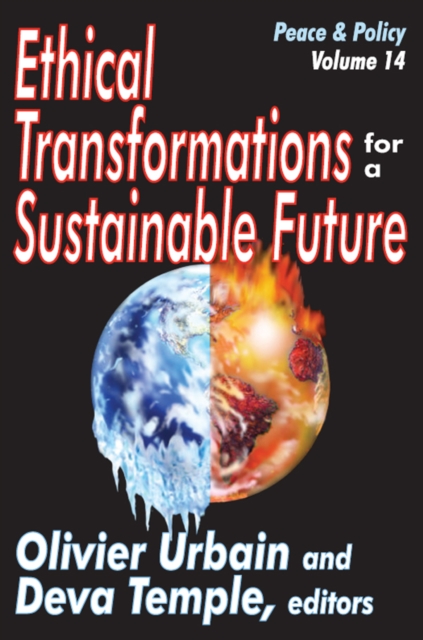
It has become increasingly apparent that humanity's complex social, political, and economic systems are incompatible with the finite capacity of the Earth to replenish resources and absorb wastes.
It has become increasingly apparent that humanity's complex social, political, and economic systems are incompatible with the finite capacity of the Earth to replenish resources and absorb wastes.
For some, finance is the enemy: solely responsible for the global financial crisis and symbolic of an outdated model that is catapulting us toward social and ecological ruin.
For some, finance is the enemy: solely responsible for the global financial crisis and symbolic of an outdated model that is catapulting us toward social and ecological ruin.