This book presents the dynamics of organisations from a social constructionist viewpoint, taking the organisation as something that is constructed continuously through individual interactions with others, both within and without the organisation.
This book focuses on the hallmark or approaches of the Tavistock Institute-combining research in the social sciences with professional practice in organisational and social change.
This book describes the processes that shape organisational life and shows how managers can work together to help one another to work out their problems and develop their skills.
This book looks at organisational problems occurring in a particular context, and clearly traces the way problems arise out of relations amongst the different parts of the larger system.
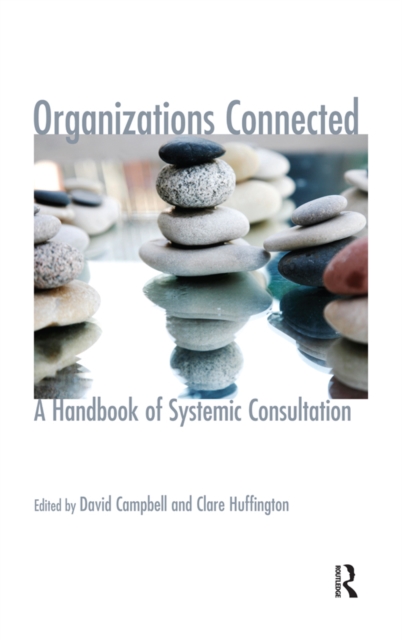
Systemic Work with Organizations explores a powerful new perspective on the challenges faced by managers and consultants who work in large organizations.
"e;Social Dreaming"e; is the name given to a method of working with dreams that are shared and associated to within a gathering of people, coming together for this purpose.
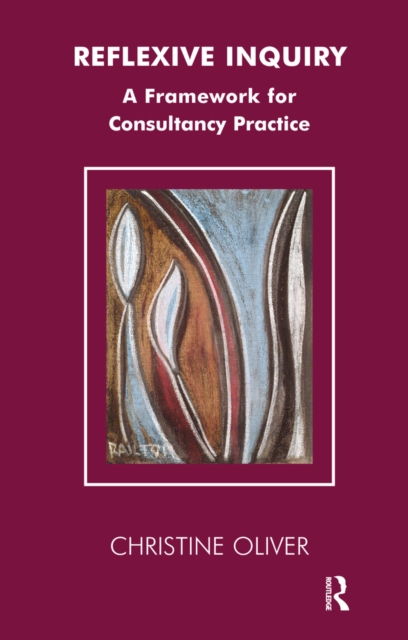
This book sets out to explain how the reflexive inquiry model can be adapted to research so that consultants can continue to evaluate their work and learn from the process.
This book shows the underlying thinking of experienced consultants deciding how to position themselves in organizations, seeking to enable organizational change to occur and redefining their relationships with their clients over time and according to organizational need using a systemic lens.
The publication of this book coincides with a increasing recognition that the challenges facing society and organisations are not amenable to "e;quick fixes"e;.
This book explains social dreaming by situating it in the context of thinking, culture, and knowledge and distinguishes how it differs from conventional, therapeutic dreaming, making the case for how it can be used in systems, like business organizations, educational institutions, and hospitals.
Robert Bor and, Riva Miller, who run the AIDS Counseling Service at the Royal Free Hospital, London, are internationally known for their work in providing consultation to many hospital departments from within the hospital itself.
This book reflects the culture of the Belgirate Conference, namely combining traditional and experiential modes of developing new ideas and knowledge; and in order to further the field of Group Relations.
This book shows the ways in which the boundaries of the basic group relations training conference model of experiential learning have been extended to provide creative, conceptual, and applied links to both management and group and organizational education, training, and consultancy practice.
This book, the third in a series based on the Belgirate conferences, deals with the personal as well as the organisational journeys of Group Relations practitioners and examines these through the lens of tradition, succession and creative application.
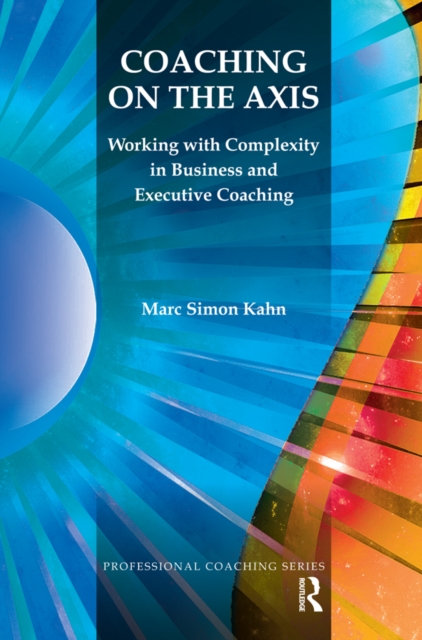
This book offers an approach to business and executive coaching that properly aligns the practice in the culture of business through the use of a relational "e;coaching axis"e; that helps to manage the complexity of the organisation and the individual as dual clients.
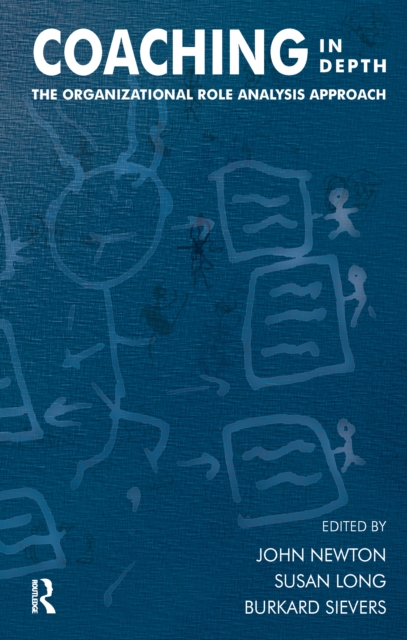
Coaching In Depth introduces the reader to the management consultancy technique of Organizational Role Analysis (ORA); a technique with the immensely practical purpose of helping managers to stay "e;in role and on task"e;.
This work provides a rich mine of ideas to stimulate thinking about organisational interaction, and organisations in relation to various socio/cultural values.
A practical guide to the essentials of organisational change which makes complex concepts accessible to managers, consultants, human resources professionals and others.
The chapters contributed to this book have been written by the staff and associates of The Tavistock Consultancy Service, whose distinctive competence is in the human dimension of enterprise and the dynamics of the workplace.
Bringing together several different facets of what is termed "e;the transitional approach"e;, it will be valued by consultants, management students, practitioners and all those who want to gain a deeper understanding of the processes of organisational change.
The chapters in this volume cover a wide range of topics that concentrate around four themes: transitional change in therapeutic communities; in working conferences for professional development or training; in organisation consulting with an emphasis on organisational learning; and in self studies of working systems in action.
This book, the second in a series on Tavistock Group Relations Conferences, contains the collection of papers presented at the second Belgirate conference plus four additional papers reflecting on and making sense of several participants conference experiences.
This book presents the dynamics of organisations from a social constructionist viewpoint, taking the organisation as something that is constructed continuously through individual interactions with others, both within and without the organisation.
This book focuses on the hallmark or approaches of the Tavistock Institute-combining research in the social sciences with professional practice in organisational and social change.
This book describes the processes that shape organisational life and shows how managers can work together to help one another to work out their problems and develop their skills.
This book looks at organisational problems occurring in a particular context, and clearly traces the way problems arise out of relations amongst the different parts of the larger system.
Systemic Work with Organizations explores a powerful new perspective on the challenges faced by managers and consultants who work in large organizations.
"e;Social Dreaming"e; is the name given to a method of working with dreams that are shared and associated to within a gathering of people, coming together for this purpose.
This book sets out to explain how the reflexive inquiry model can be adapted to research so that consultants can continue to evaluate their work and learn from the process.
This book shows the underlying thinking of experienced consultants deciding how to position themselves in organizations, seeking to enable organizational change to occur and redefining their relationships with their clients over time and according to organizational need using a systemic lens.