This book examines how safety failings during the use of any designed product or system-be it a car, a building, or a chemical plant-can be mitigated through effective understanding of the conditions and controls surrounding its use.
This book examines how safety failings during the use of any designed product or system-be it a car, a building, or a chemical plant-can be mitigated through effective understanding of the conditions and controls surrounding its use.
This book sheds new light on the role businesses can play in contributing to sustainability objectives, and how governance actors can better encourage their contributions.
This book sheds new light on the role businesses can play in contributing to sustainability objectives, and how governance actors can better encourage their contributions.
The main objective of this book is to provide both academics and practitioners with a global vision of the evolution of internal auditing in a fast-changing business landscape driven by digital transformation.
The first introductory practical guide of its kind, this book brings together principles of corporate governance, investor stewardship and enterprise sustainability in the context of institutional investment.
The first introductory practical guide of its kind, this book brings together principles of corporate governance, investor stewardship and enterprise sustainability in the context of institutional investment.
Celebrating the 20th anniversary of the Journal of African Business, this book delves into contemporary issues in business and business knowledge development in Africa.
Celebrating the 20th anniversary of the Journal of African Business, this book delves into contemporary issues in business and business knowledge development in Africa.
This book investigates why the convergence of Japan's bank-centered financial system to an American-style capital market-based model has lost steam since the mid-2000s, despite financial deregulation during the 1980s and 1990s.
This book investigates why the convergence of Japan's bank-centered financial system to an American-style capital market-based model has lost steam since the mid-2000s, despite financial deregulation during the 1980s and 1990s.
The Rules of Project Risk Management, 2nd Edition, provides practical experience-based guidance to support the delivery of effective project risk management.
The Rules of Project Risk Management, 2nd Edition, provides practical experience-based guidance to support the delivery of effective project risk management.
A compelling mix of reputation management, crisis leadership and the role of politics in business, this book provides unique practical steps that leaders can take to protect their reputations and those of the organisations they head in an ever more open social media-led world.
While there is a vast amount of literature examining firm's networks from an industrial organization perspective, the financial implications of networking remain underexplored.
While there is a vast amount of literature examining firm's networks from an industrial organization perspective, the financial implications of networking remain underexplored.
Supply Chain Management and Corporate Governance: Artificial Intelligence, Game Theory and Robust Optimisation is the first innovative, comprehensive analysis and analytical robust optimisation modelling of the relationships between corporate governance principles and supply chain management for risk management and decision-making under uncertainty in supply chain operations.
Academic Health Science Centers are complex organizations with three principal functions: the education of the next generation of health professionals; the conduct of biomedical and clinical research that leads to new treatments and approaches to disease; and the delivery of comprehensive and advanced patient care.
Academic Health Science Centers are complex organizations with three principal functions: the education of the next generation of health professionals; the conduct of biomedical and clinical research that leads to new treatments and approaches to disease; and the delivery of comprehensive and advanced patient care.
Technological innovation is a core aspect of corporate and national competitiveness and it is not only complex-requiring cooperation and coordination among many stakeholders-but it also involves high risk due to uncertainty.
Technological innovation is a core aspect of corporate and national competitiveness and it is not only complex-requiring cooperation and coordination among many stakeholders-but it also involves high risk due to uncertainty.
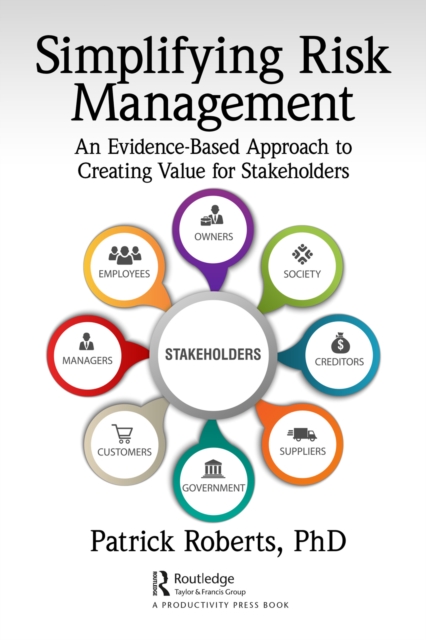
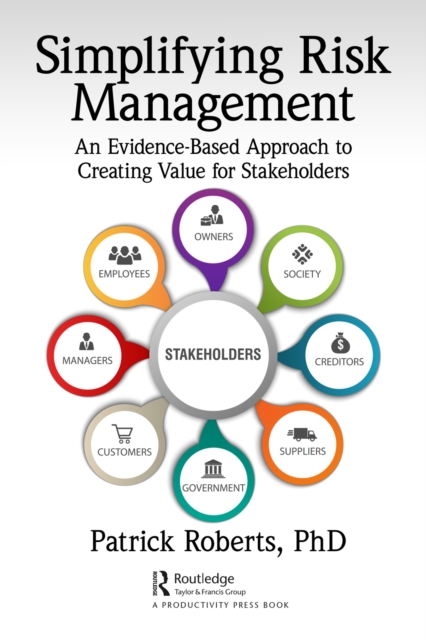
Recent decades have seen much greater attention paid to risk management at an organizational level, as evidenced by the proliferation of legislation, regulation, international standards and good practice guidance.
Recent decades have seen much greater attention paid to risk management at an organizational level, as evidenced by the proliferation of legislation, regulation, international standards and good practice guidance.