This text is designed to help managers who have to deal with a complex environment, and who are often presented with "e;ready-made"e; solutions as to how to best organize their firm, to best use information technology.
This text is designed to help managers who have to deal with a complex environment, and who are often presented with "e;ready-made"e; solutions as to how to best organize their firm, to best use information technology.
Innovation Strategy for the Knowledge Economy is intended for managers who have practiced the best of quality and re-engineering management techniques and are ready to transform their organizations with the systematic notions of knowledge creation and application.
Innovation Strategy for the Knowledge Economy is intended for managers who have practiced the best of quality and re-engineering management techniques and are ready to transform their organizations with the systematic notions of knowledge creation and application.
Intelligent IT Outsourcing enables practitioners to focus in on the essential issues that need to be addressed so that the fundamental structure of their sourcing strategy and its implementation is sound.
Intelligent IT Outsourcing enables practitioners to focus in on the essential issues that need to be addressed so that the fundamental structure of their sourcing strategy and its implementation is sound.
This book provides a clear and concise overview of Information Management covering the key aspects of infrastructure, design, information assets and managing information.
This book provides a clear and concise overview of Information Management covering the key aspects of infrastructure, design, information assets and managing information.
Peter Drucker has introduced us all to the knowledge era, where knowledge is the primary resource and intangibles (intellectual capital resources and assets) are now largely recognized as the most important sources of organizations' competitive advantage.
Peter Drucker has introduced us all to the knowledge era, where knowledge is the primary resource and intangibles (intellectual capital resources and assets) are now largely recognized as the most important sources of organizations' competitive advantage.
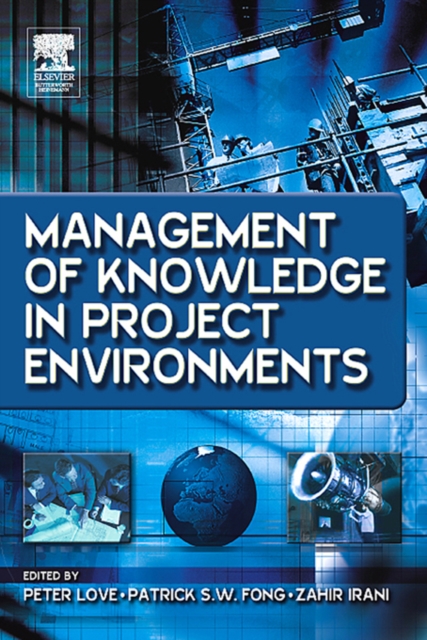
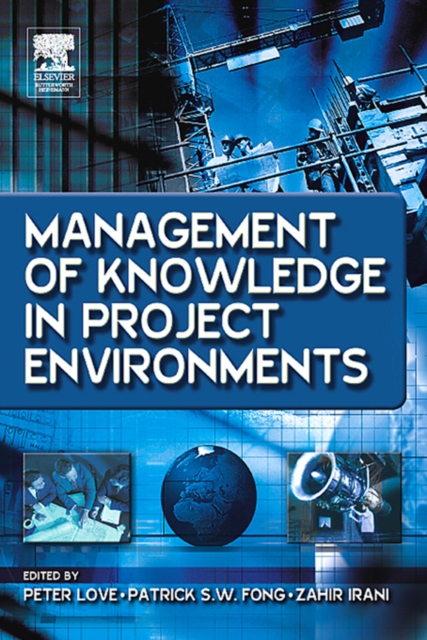
Management of knowledge in project environments is a unique text that brings together contributions from leading academic practitioners, to demonstrate how the management of knowledge can lead to project success in today's complex and changing business environment.
Management of knowledge in project environments is a unique text that brings together contributions from leading academic practitioners, to demonstrate how the management of knowledge can lead to project success in today's complex and changing business environment.
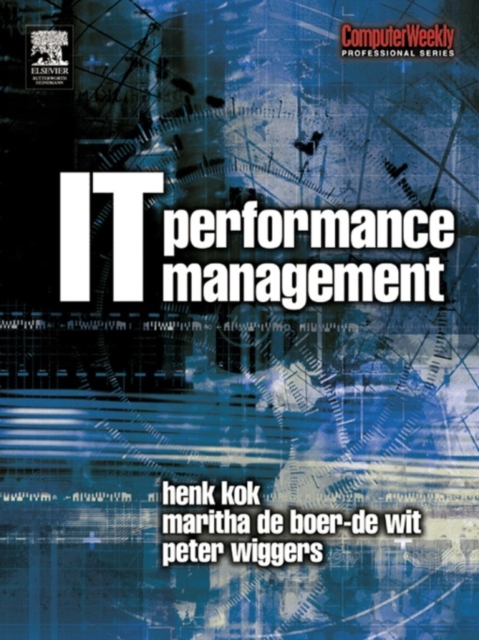
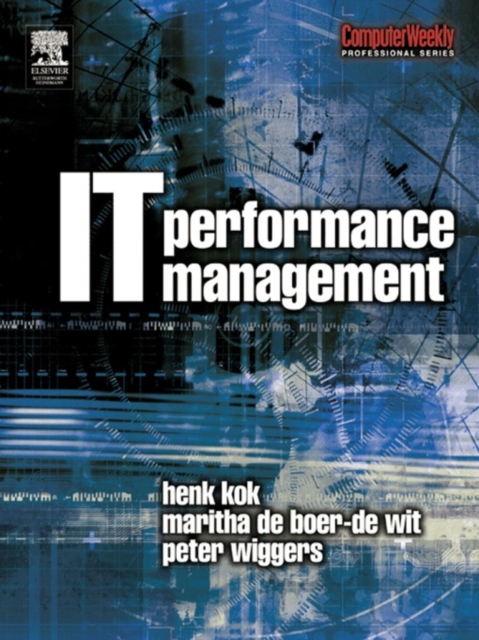
IT Performance Management addresses the way organizations should balance the demand and the supply of information technology, optimizing the cost and maximizing the business value of IT.
IT Performance Management addresses the way organizations should balance the demand and the supply of information technology, optimizing the cost and maximizing the business value of IT.
In 'Key Issues in the New Knowledge Management,' Firestone and McElroy, the architects of the New Knowledge Management (TNKM) provide an in-depth analysis of the most important issues in the field of Knowledge Management.
In 'Key Issues in the New Knowledge Management,' Firestone and McElroy, the architects of the New Knowledge Management (TNKM) provide an in-depth analysis of the most important issues in the field of Knowledge Management.
Frequently not enough attention is given to producing a comprehensive business case or to producing an economic justification for an information systems investment.
Frequently not enough attention is given to producing a comprehensive business case or to producing an economic justification for an information systems investment.
Social capital - the informal networks, trust and common understanding among individuals in an organization - determines major competitive advantages in today's networked economy.
Social capital - the informal networks, trust and common understanding among individuals in an organization - determines major competitive advantages in today's networked economy.
We are now in the 'third wave' of Knowledge Management - the first was focused on the potential of new technology, while the second focused on the nature of knowledge and how people 'know' and learn.
We are now in the 'third wave' of Knowledge Management - the first was focused on the potential of new technology, while the second focused on the nature of knowledge and how people 'know' and learn.
The first in the readers' series called Resources for the Knowledge-Based Economy, Knowledge Management and Organizational Design is a unique compilation of articles and book excerpts that describe how the management of an organization shapes the levels of knowledge transfer, innovation and learning.
The first in the readers' series called Resources for the Knowledge-Based Economy, Knowledge Management and Organizational Design is a unique compilation of articles and book excerpts that describe how the management of an organization shapes the levels of knowledge transfer, innovation and learning.
The third in the readers series Resources for the Knowledge-Based Economy, Knowledge Management Tools analyzes the use of knowledge management tools in the past, present and future.
The third in the readers series Resources for the Knowledge-Based Economy, Knowledge Management Tools analyzes the use of knowledge management tools in the past, present and future.
Knowledge Networking explains the strategic, organizational and human impact of technologies that support knowledge: the internet, groupware, collaborative technologies.
Knowledge Networking explains the strategic, organizational and human impact of technologies that support knowledge: the internet, groupware, collaborative technologies.