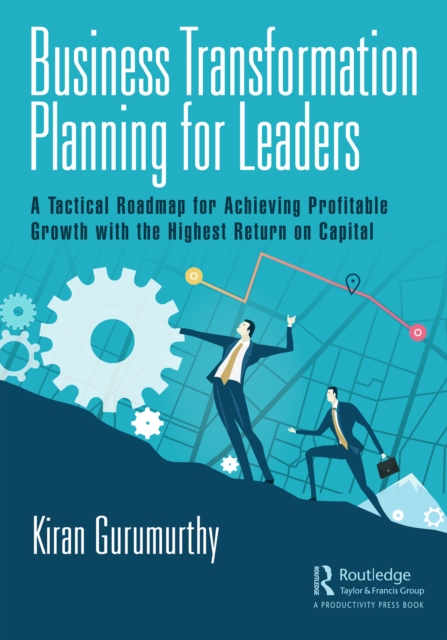
This book helps apply managerial accounting techniques to problems in areas including that of cost estimation, cost control, product pricing, and business segment discontinuation.
This book helps apply managerial accounting techniques to problems in areas including that of cost estimation, cost control, product pricing, and business segment discontinuation.
This book details some of the most important and interesting questions raised about the NEC4 family of contracts and provides clear, comprehensive answers to those questions.
This book details some of the most important and interesting questions raised about the NEC4 family of contracts and provides clear, comprehensive answers to those questions.
Strategy, risk management and project management are often considered separately by those applying their principles-but at their most effective, all are dependent upon each other for success.
Strategy, risk management and project management are often considered separately by those applying their principles-but at their most effective, all are dependent upon each other for success.
This volume examines fundamental issues of macro-engineering-now a planetary norm-from the viewpoints of psychiatry, social science, management, and law.
Macro-engineering projects--enormous undertakings such as the design and construction of new cities, energy islands, and even outer-space industrial complexes--require bold vision, courage, and optimism as well as engineering and management skills.
A lot of managerial finessing is needed to handle the present era of the operations of the oil and gas industry, under the pressure of environmental issues.
This volume examines fundamental issues of macro-engineering-now a planetary norm-from the viewpoints of psychiatry, social science, management, and law.
Macro-engineering projects--enormous undertakings such as the design and construction of new cities, energy islands, and even outer-space industrial complexes--require bold vision, courage, and optimism as well as engineering and management skills.
Construction Superintendents: Essential Skills for the Next Generation is the first college-level textbook designed to prepare you to take on a site supervisor role on a complex jobsite.
Construction Superintendents: Essential Skills for the Next Generation is the first college-level textbook designed to prepare you to take on a site supervisor role on a complex jobsite.
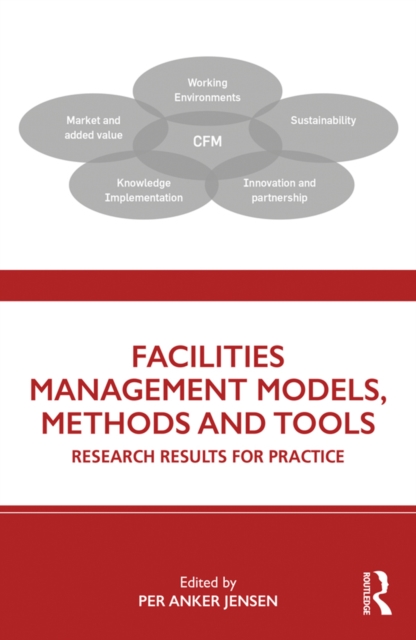
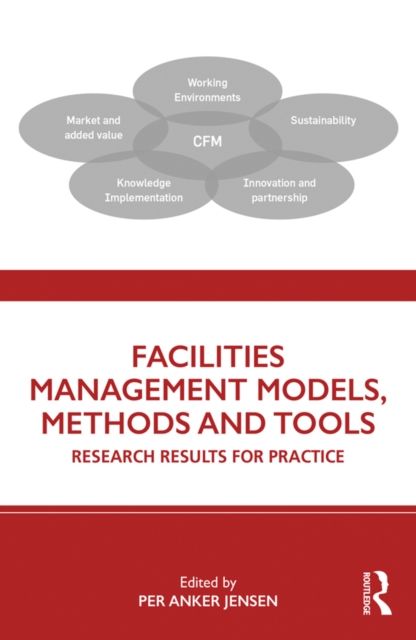
This book presents research tested models, methods and tools that can make the work of the facilities manager more robust and sustainable, help long-term strategic planning and support students and practitioners in FM to improve the way they approach and deal with challenges in practice.
Sustainable project management is a new school of management thought and a growing trend yet there is a scarcity of research on the linkage between individual PM methodologies and sustainability in projects.
This book presents research tested models, methods and tools that can make the work of the facilities manager more robust and sustainable, help long-term strategic planning and support students and practitioners in FM to improve the way they approach and deal with challenges in practice.
Fully updated to be aligned with the Project Management Body of Knowledge(R) (PMBOK(R) Guide), Sixth Edition, this study guide is structured per the PMP(R) Examination Content Outline (ECO), 2015 edition, which is the blueprint for the PMP(R) exam.
This book discusses risk management as it applies to problem-solving for simple, complex and wicked problems faced by policy creators and implementors, project managers and systems engineers in the context of policies, large engineering projects (LEPs), projects and systems.
Portfolio management consists mainly of making decisions about which initiatives to undertake, which initiatives not to pursue, and which resources are to be allocated to which portfolio component.
Fully updated to be aligned with the Project Management Body of Knowledge(R) (PMBOK(R) Guide), Sixth Edition, this study guide is structured per the PMP(R) Examination Content Outline (ECO), 2015 edition, which is the blueprint for the PMP(R) exam.
The book describes how to manage and successfully deliver large, complex, and expensive systems that can be composed of millions of line of software code, being developed by numerous groups throughout the globe, that interface with many hardware items being developed by geographically dispersed companies, where the system also includes people, policies, constraints, regulations, and a myriad of other factors.
The book describes how to manage and successfully deliver large, complex, and expensive systems that can be composed of millions of line of software code, being developed by numerous groups throughout the globe, that interface with many hardware items being developed by geographically dispersed companies, where the system also includes people, policies, constraints, regulations, and a myriad of other factors.
This book provides a comprehensive overview of the key aspects and contracts involved in the process of developing oil and gas projects, with an emphasis on offshore developments.
This book provides a comprehensive overview of the key aspects and contracts involved in the process of developing oil and gas projects, with an emphasis on offshore developments.
The third edition of HIT or Miss: Lessons Learned from Health Information Technology Projects presents and dissects a wide variety of HIT failures so that the reader can understand in each case what went wrong and why and how to avoid such problems, without focusing on the involvement of specific people, organizations, or vendors.
The third edition of HIT or Miss: Lessons Learned from Health Information Technology Projects presents and dissects a wide variety of HIT failures so that the reader can understand in each case what went wrong and why and how to avoid such problems, without focusing on the involvement of specific people, organizations, or vendors.
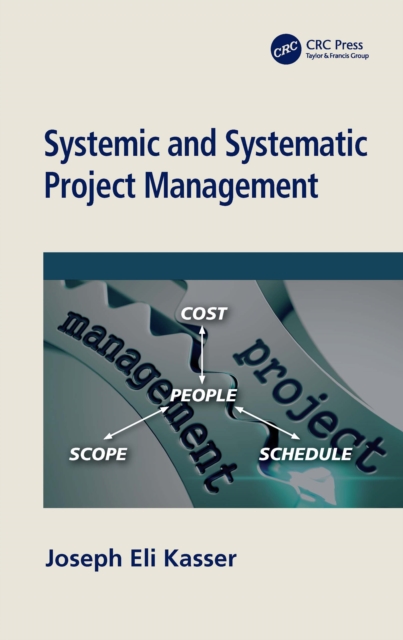
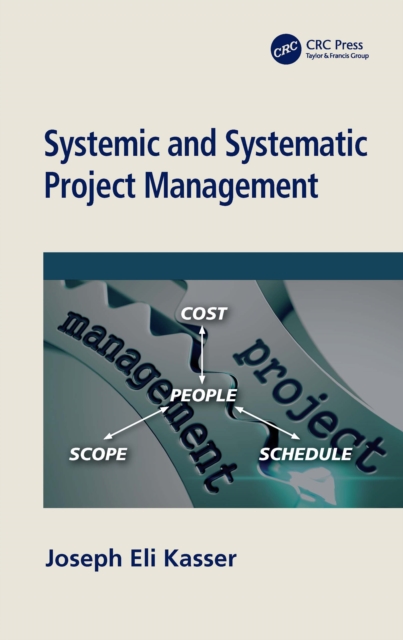
People play a vital part in the success of projects, initiatives and organisations, yet traditional project management sources offer limited guidance and insights that extend beyond technical roles and prescriptions.