Our interactive world can take a creative product, such as a Hollywood film, Bollywood song, or Latin American telenovela, and transform it into a source of cultural anxiety.
A compelling argument for broad-based profit sharing and employee ownership in keeping with the economic vision of America’s Founders The idea of workers owning the businesses where they work is not new.
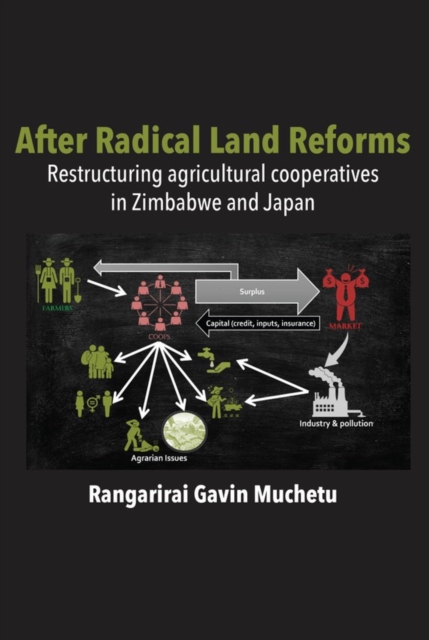
Although originally published in 1928, many of the issues discussed in this book remain pertinent today: in unstable markets grappling with labour shortages, how to pay the producers of food a fair price, at a price the consumer can afford, whilst maximising efficiency and minimising waste.
This book explores a quiet revolution reshaping global capitalism: the rise of employee ownership, worker cooperatives, and profit-sharing enterprises.
With the financial crisis and Great Recession, some economists have begun to question the orthodox approach to production and capital/labor relations over the last two to three decades.
Ownership and decision-making are key issues in the economic restructuring taking place as economies struggle to emerge from the Great Recession, and technological change and globalization continue to place new demands on workers and firms.
With a growing prominence ofsophisticated econometric research in a much-expanded field of New Economics ofParticipation (NEP), it is of particular value to learn about real-worldexamples of participatory and labor-managed firms in the advanced market economiesthrough extensive case studies.
Although originally published in 1928, many of the issues discussed in this book remain pertinent today: in unstable markets grappling with labour shortages, how to pay the producers of food a fair price, at a price the consumer can afford, whilst maximising efficiency and minimising waste.
Leading governments undertook extraordinary measures to offset the 2008 economic crisis, shoring up financial institutions, stimulating demand to reverse recession, and rebalancing budgets to alleviate sovereign debt.
Focusing on the electronic media-television, radio, and the Internet-Audience Economics bridges a substantial gap in the literature by providing an integrated framework for understanding the various businesses involved in generating and selling audiences to advertisers.
Volume 39 of Research in Personnel and Human Resources Management contains eight original scholarly monographs written by thought leaders in the field of human resources management.
With a growing prominence ofsophisticated econometric research in a much-expanded field of New Economics ofParticipation (NEP), it is of particular value to learn about real-worldexamples of participatory and labor-managed firms in the advanced market economiesthrough extensive case studies.
With a growing prominence ofsophisticated econometric research in a much-expanded field of New Economics ofParticipation (NEP), it is of particular value to learn about real-worldexamples of participatory and labor-managed firms in the advanced market economiesthrough extensive case studies.
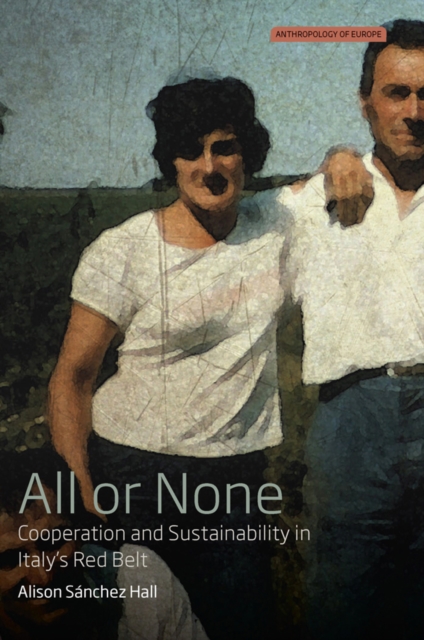
At once a social history and anthropological study of the world s oldest voluntary collective farms, All or None is a story of how landless laborers joined together in Ravenna, Italy to acquire land, sometimes by occupying private land in what they called a strike in reverse, and how they developed sophisticated land use plans, based not only on the goal of profit, but on the human value of providing work where none was available.
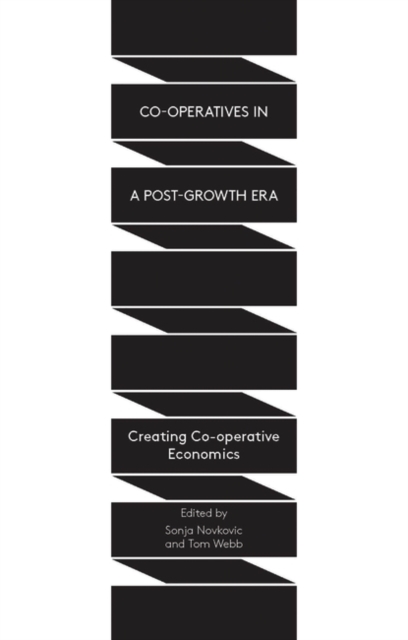
Cooperatives the world over are successfully developing alternative models of decision-making, employment and operation without the existence of managers, executives and hierarchies.
Cooperatives the world over are successfully developing alternative models of decision-making, employment and operation without the existence of managers, executives and hierarchies.
Ownership and decision-making are key issues in the economic restructuring taking place as economies struggle to emerge from the Great Recession, and technological change and globalization continue to place new demands on workers and firms.
With the financial crisis and Great Recession, some economists have begun to question the orthodox approach to production and capital/labor relations over the last two to three decades.
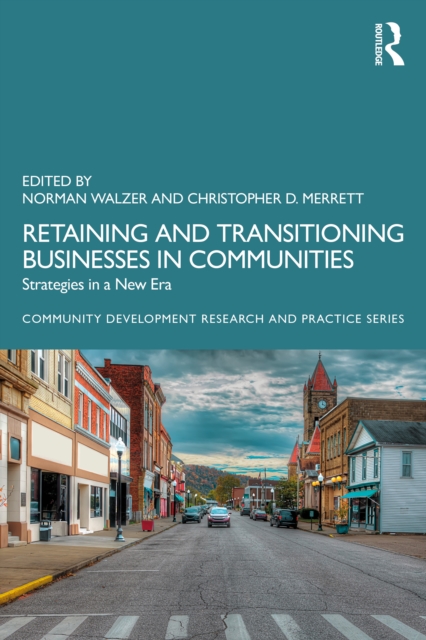
This edited collection presents successful business succession planning in smaller rural communities where profit margins are low, markets are shrinking, and there are few potential buyers.
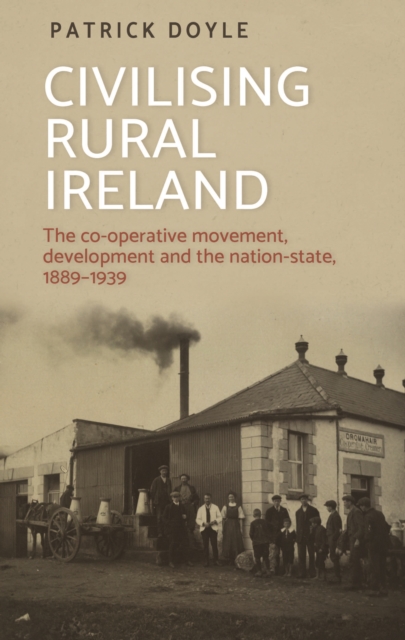
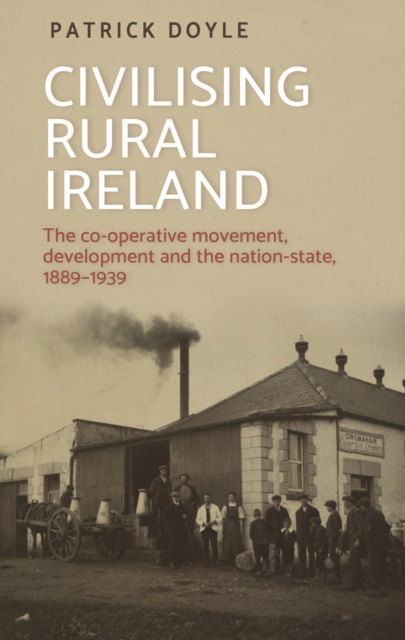
The introduction of co-operative societies into the Irish countryside during the late-nineteenth century transformed rural society and created an enduring economic legacy.
The introduction of co-operative societies into the Irish countryside during the late-nineteenth century transformed rural society and created an enduring economic legacy.
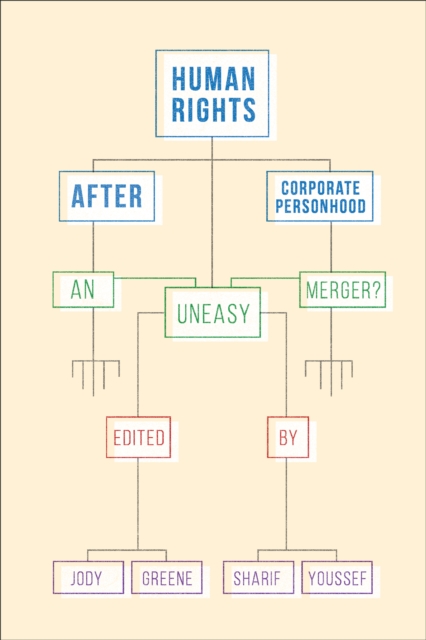
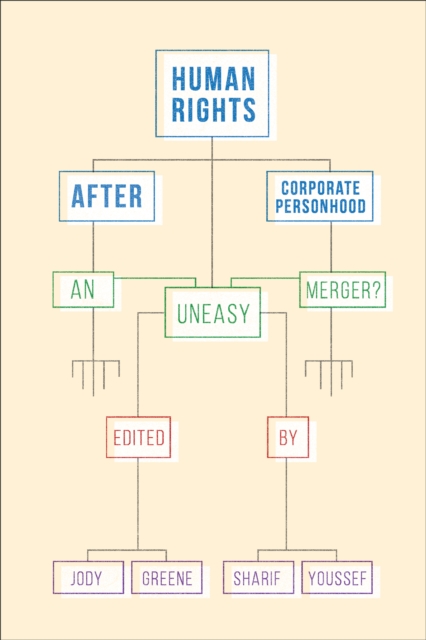
Human Rights after Corporate Personhood offers a rich overview of current debates, and seeks to transcend the "e;outrage response"e; often found in public discourse and corporate legal theory.
Human Rights after Corporate Personhood offers a rich overview of current debates, and seeks to transcend the "e;outrage response"e; often found in public discourse and corporate legal theory.
Reinventing Bankruptcy Law explodes conventional wisdom about the history of the Companies' Creditors Arrangement Act and in its place offers the first historical account of Canada's premier corporate restructuring statute.
Reinventing Bankruptcy Law explodes conventional wisdom about the history of the Companies' Creditors Arrangement Act and in its place offers the first historical account of Canada's premier corporate restructuring statute.
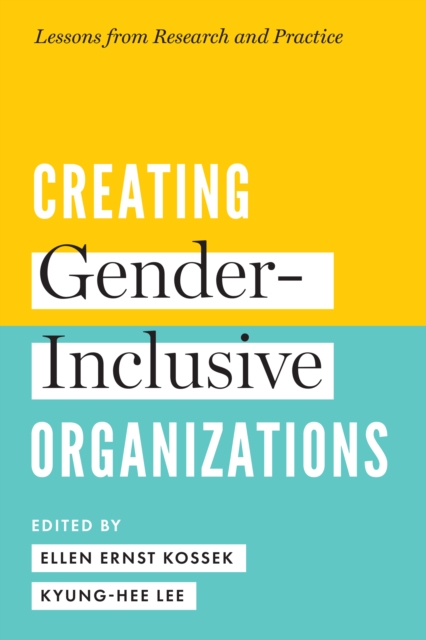
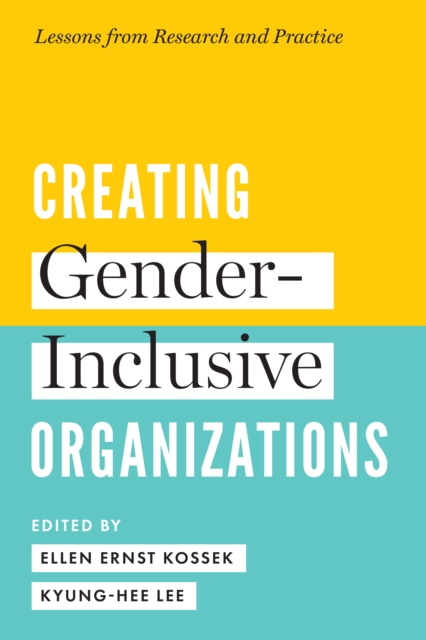
With fresh insights on diversity, inclusion, and female leadership, this book will guide managers and organizations as they bridge the gap between research and practice, and better position women in work spaces.
With fresh insights on diversity, inclusion, and female leadership, this book will guide managers and organizations as they bridge the gap between research and practice, and better position women in work spaces.
This book explores a quiet revolution reshaping global capitalism: the rise of employee ownership, worker cooperatives, and profit-sharing enterprises.
The Brand-Driven CEO demonstrates how senior leadership can use their brand to align and guide the behaviors, decisions, and operations of their entire organization in order to drive value.
The Brand-Driven CEO demonstrates how senior leadership can use their brand to align and guide the behaviors, decisions, and operations of their entire organization in order to drive value.