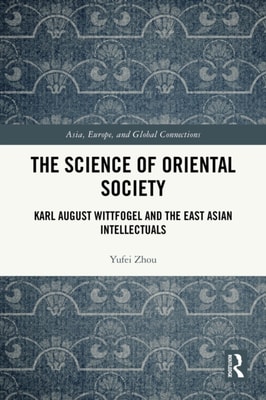
This book provides a compelling exploration into the distinctive approaches East Asian scholars employ to articulate the peculiarities of Asia's modernity.
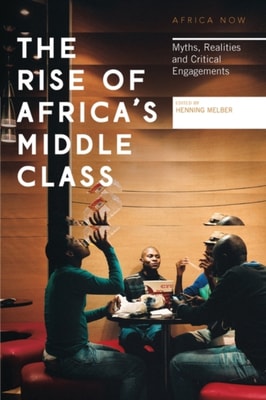
The rise of the BRICS - a bloc of emerging economies, comprised of Brazil, Russia, India, China and South Africa, is one of the defining features of the modern global economy.
The rise of the BRICS - a bloc of emerging economies, comprised of Brazil, Russia, India, China and South Africa, is one of the defining features of the modern global economy.
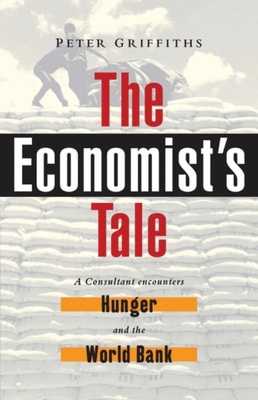
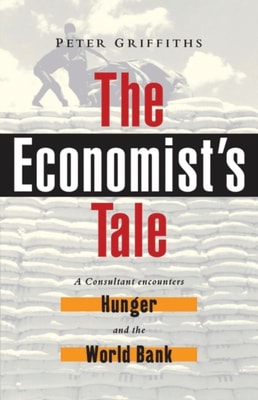
Any student, academic or practitioner wanting to succeed in development studies, radical or mainstream, must understand the World Bank's role and the evolution of its thinking and activities.
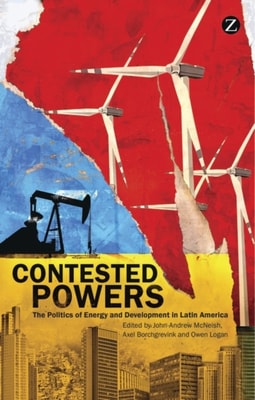
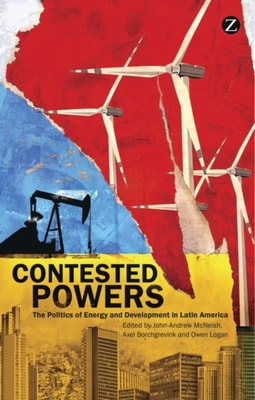
The impact of the oil and gas industry - paradoxically seen both as a blessing and a curse on socio-economic development - is a question at the heart of the comparative studies in this volume stretching from Northern Europe to the Caucasus, the Gulf of Guinea to Latin America.
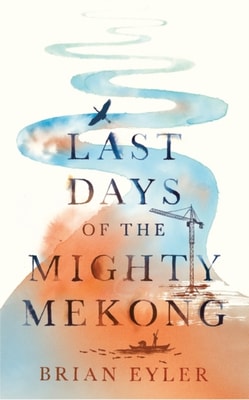
Celebrated for its natural beauty and its abundance of wildlife, the Mekong river runs thousands of miles through China, Myanmar, Laos, Thailand, Cambodia, and Vietnam.
Celebrated for its natural beauty and its abundance of wildlife, the Mekong river runs thousands of miles through China, Myanmar, Laos, Thailand, Cambodia, and Vietnam.
While the need for effective action toward a greener and socially inclusive economy has long been evident, health promotion in the context of sustainable development has faltered.
While the need for effective action toward a greener and socially inclusive economy has long been evident, health promotion in the context of sustainable development has faltered.
As the Millennium Development Goals (MDGs) pass their 2015 deadline and the international community begins to discuss the future of UN development policy, Poverty and the Millennium Development Goals brings together leading economists from both the global North and South to provide a much needed critique of the prevailing development agenda.
As the Millennium Development Goals (MDGs) pass their 2015 deadline and the international community begins to discuss the future of UN development policy, Poverty and the Millennium Development Goals brings together leading economists from both the global North and South to provide a much needed critique of the prevailing development agenda.
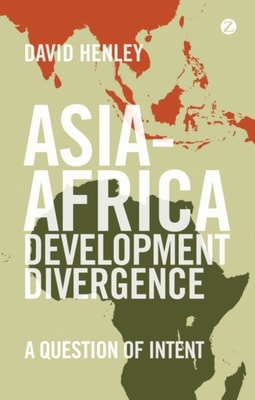
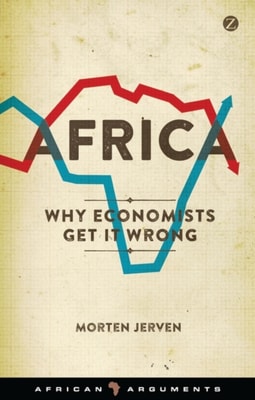
Why have South-East Asian countries like Malaysia, Indonesia and Vietnam been so successful in reducing levels of absolute poverty, while in African countries like Kenya, Nigeria and Tanzania, despite recent economic growth, most people are still almost as poor as they were half a century ago?
Why have South-East Asian countries like Malaysia, Indonesia and Vietnam been so successful in reducing levels of absolute poverty, while in African countries like Kenya, Nigeria and Tanzania, despite recent economic growth, most people are still almost as poor as they were half a century ago?
As economic crises, growing inequality and climate change prompt a global debate on the meaning and trajectory of development, increasing attention is focusing on 'social and solidarity economy' as a distinctive approach to sustainable and rights-based development.
As economic crises, growing inequality and climate change prompt a global debate on the meaning and trajectory of development, increasing attention is focusing on 'social and solidarity economy' as a distinctive approach to sustainable and rights-based development.
In the global North the commoditization of creativity and knowledge under the banner of a creative economy is being posed as the post-industrial answer to dependency on labour and natural resources.
In the global North the commoditization of creativity and knowledge under the banner of a creative economy is being posed as the post-industrial answer to dependency on labour and natural resources.
At a time when the gigantic transnationals have a huge impact on human health, the environment, working conditions and the economic prospects of nations, this book explores whether it is sufficient to continue to rely on industry self-regulation alone.
At a time when the gigantic transnationals have a huge impact on human health, the environment, working conditions and the economic prospects of nations, this book explores whether it is sufficient to continue to rely on industry self-regulation alone.
In "Finanzielle Freiheit entfesseln" nimmt Sie der Autor, Maximilian Fortune, mit auf eine transformative Reise zu einem Leben in Fülle und finanzieller Unabhängigkeit.
In the aftermath of the Arab Spring, and in light of socio-economic and geopolitical challenges facing governments old and new, women's rights and empowerment have gained new urgency and relevance.
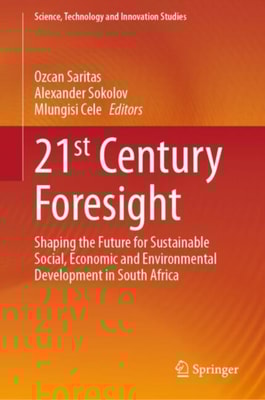
Using a new methodology for foresight studies, this book presents new findings and policy recommendations to improve living conditions and make progress toward achieving the Sustainable Development Goals (SDGs).